






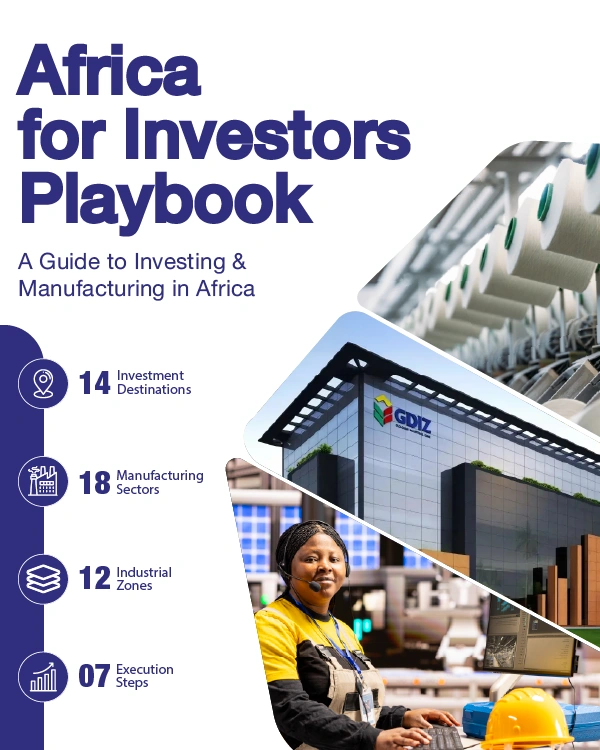
1. Africa's Manufacturing Opportunity
Africa's manufacturing value rose from US $285 billion in 2020 to US $351 billion in 2025. Yet the continent still accounts for less than 2% of global manufacturing output and just 1.4% of global manufacturing exports.1
Across many value chains, agricultural and mineral resources are exported before they can be processed further, while African markets continue to import manufactured goods. Cotton can leave a country as fibre and return as clothing. Agricultural produce can be exported with limited processing, while processed foods are sourced from elsewhere. Minerals can leave as raw materials while downstream industrial inputs are manufactured abroad.
Each example raises a commercial question: which stages of production could be established closer to the source, and which could serve local or regional demand competitively?
That question is becoming more relevant as African countries pursue industrial development, investment facilitation and regional trade integration. For investors, the opportunity is not to manufacture everything locally. It is to identify where demand, inputs, infrastructure and market access come together to support a viable business.
The opportunity lies in identifying what to produce, where to produce it, and which markets that production can serve.
This Playbook brings that landscape together across multiple investment destinations, sectors and industrial zones, connecting investors from the broader opportunity in Africa to the markets, industries, industrial platforms and business opportunities most relevant to their investment thesis.
Five Ways to Enter Africa's Manufacturing Market
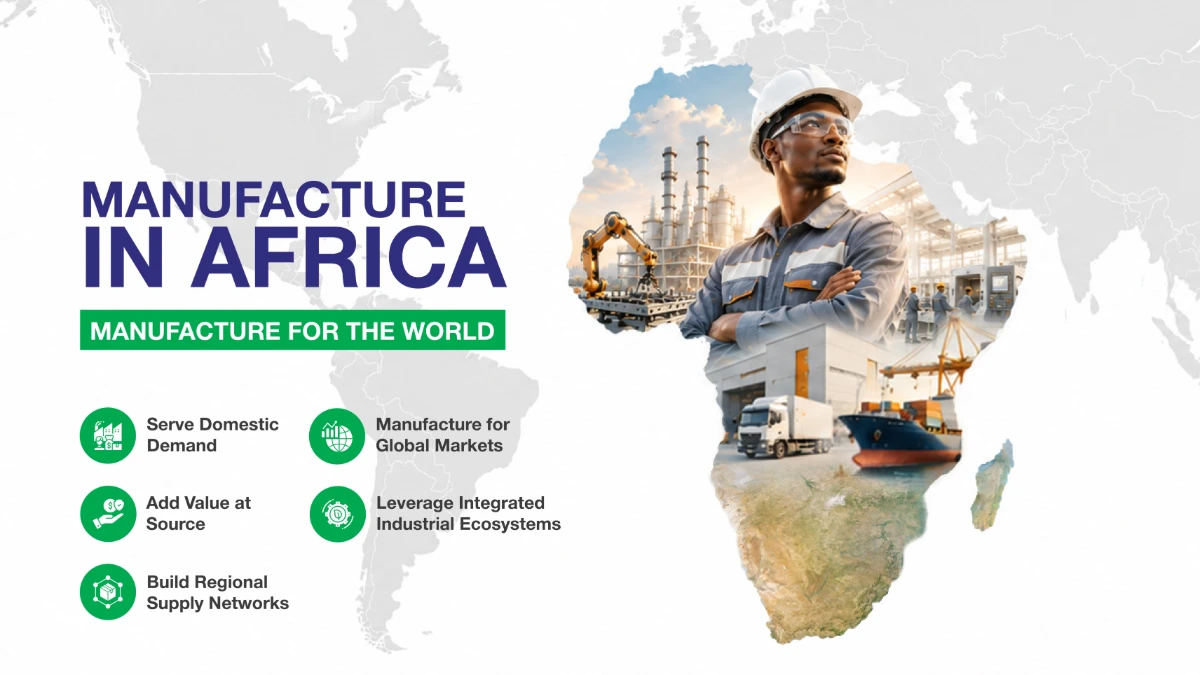
Manufacturers can enter African markets in different ways: by producing for local demand, processing resources closer to source, supplying regional markets or building an export-oriented operation. The right approach depends on the product, the intended customer and the conditions needed to manufacture competitively.
1. Produce for the domestic market
Manufacture products that households and businesses already buy, focusing on import-dependent categories where local production can compete on cost, quality and availability.
2. Process closer to source
Turn agricultural and mineral resources into processed materials, industrial inputs or finished goods, capturing more value before they leave the country.
3. Build regional production
Establish a manufacturing base that serves domestic demand while supplying neighbouring markets through regional trade networks.
4. Manufacture for export
Build production around competitive inputs, workforce capabilities, infrastructure and logistics to serve international buyers.
5. Establish operations within an industrial ecosystem
Set up within an industrial zone that provides relevant infrastructure, utilities, logistics and supporting services.
These approaches can overlap. The right combination depends on the business model, target markets and operating requirements.
Who Is Investing in Africa, and Where Is Capital Going?
Africa attracts investment from established European and US investors, increasingly active Asian and Gulf economies, and businesses expanding across African markets.
In 2025, Africa attracted approximately US$70 billion in foreign direct investment (FDI). European investors remain the largest holders of FDI stock on the continent, followed by the United States and China. Chinese investment, estimated at US$42 billion in FDI stock, is also extending beyond extractive industries into areas such as food processing, pharmaceuticals and building materials.2
Manufacturing investment tells a more specific story. Developing Asian economies are an important source of cross-border manufacturing projects across African regions, while investment from African businesses into manufacturing across the continent remains an area for growth. UN Trade and Development's analysis found that the share of intra-African manufacturing investment declined from 12% in 2012-14 to 5% in 2022-24.3
For investors, these patterns offer useful context: capital is coming from different regions and entering different industries, but headline investment figures alone do not show where new manufacturing capacity is being built.
This Playbook helps investors assess where opportunities exist, which sectors offer relevant entry points and which industrial ecosystems can support their plans.
2. Finding the Right Investment Destination
The right manufacturing location depends on what you plan to produce, the inputs you need, the customers you want to reach and the cost of getting goods to market.
- Manufacture for local demand: Assess market size, purchasing demand and distribution networks.
- Process local resources: Consider proximity to agricultural produce, minerals and other raw materials.
- Assemble products: Look for access to components, skilled labour, reliable utilities and supporting suppliers.
- Serve regional markets: Evaluate trade access, transport corridors and the ability to reach neighbouring markets.
- Manufacture for export: Consider port access, shipping routes, logistics costs and international market requirements.
Across all these routes, an established industrial zone can help simplify setup by bringing essential infrastructure, utilities, logistics and supporting services together. The specific advantages will depend on the zone and the requirements of the business.
This section profiles 15 investment destinations across West, Central and East Africa, highlighting the markets, resources, trade connections and industrial ecosystems that may make each location relevant to different manufacturing plans.
2.1 BENIN
From Cotton to Finished Textiles
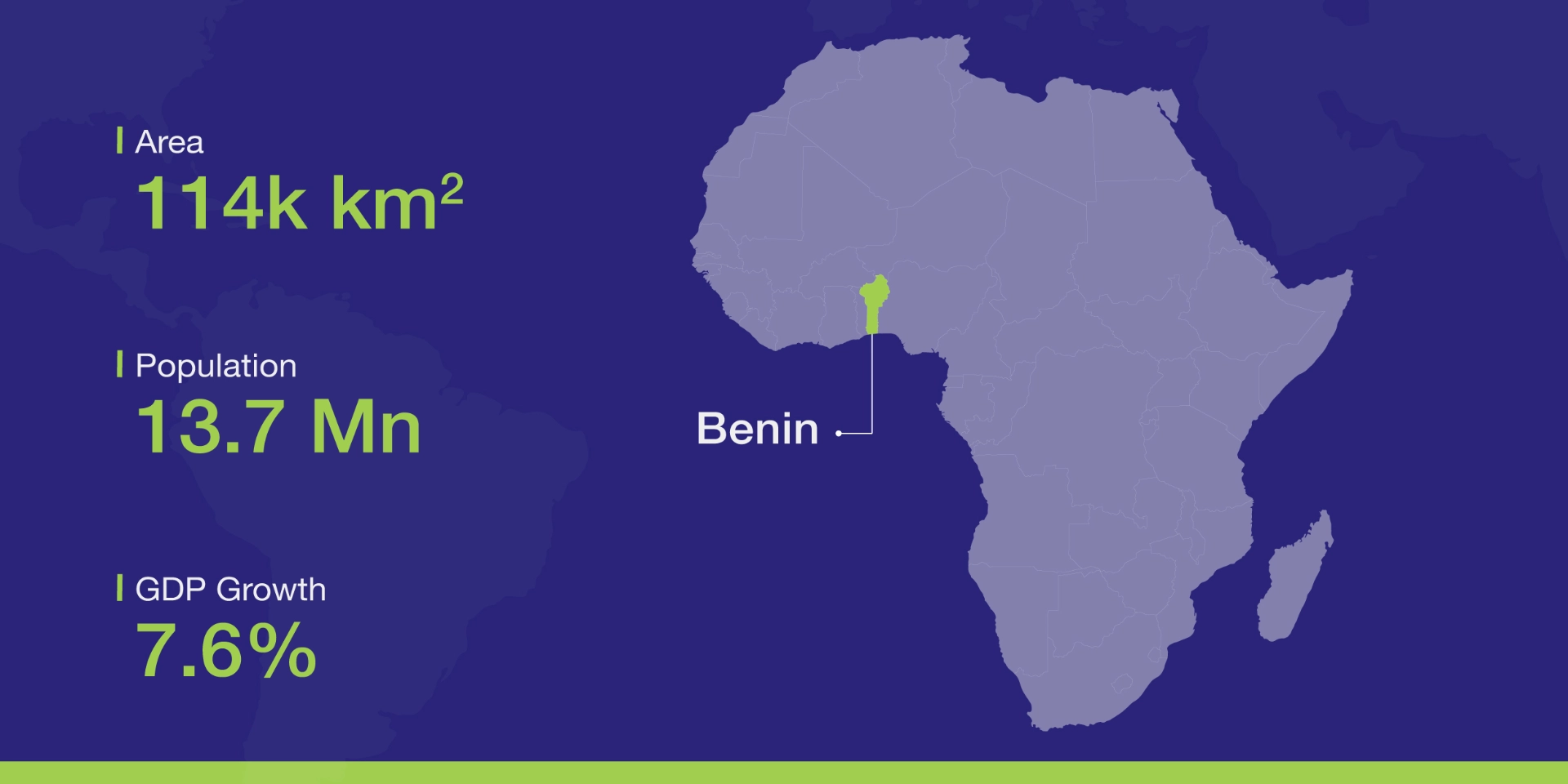
Benin offers a clear example of how local resources can support manufacturing beyond the raw-material stage. At the Glo-Djigbé Industrial Zone (GDIZ), cotton is being processed into yarn, textiles and finished garments, creating opportunities for manufacturers at different stages of the textile value chain.
With an integrated industrial ecosystem, access to the Port of Cotonou and road connections to regional markets, Benin is worth assessing for businesses looking to process local agricultural resources, manufacture textiles and apparel, or develop export-oriented production.
Connectivity
- 4 Sea Ports
- 6 Airports
- Road Infrastructure for Smooth Transport
Key sectors
Agro-processing | Textiles | Pharmaceuticals | Construction materials | Waste recycling | Cosmetics | Packaging
Industrial Zone
Glo-Djigbé Industrial Zone (GDIZ)
Relevant investment opportunities
Cotton | Cashew | Soybean processing | Shea processing | Fruit processing
Who should consider Benin?
Textile and apparel manufacturers, spinning mills, fabric processors, garment makers, cashew and soybean processors, and businesses exploring export-oriented manufacturing.
Explore Benin2.2 CHAD
Building Value Around Livestock and Agriculture
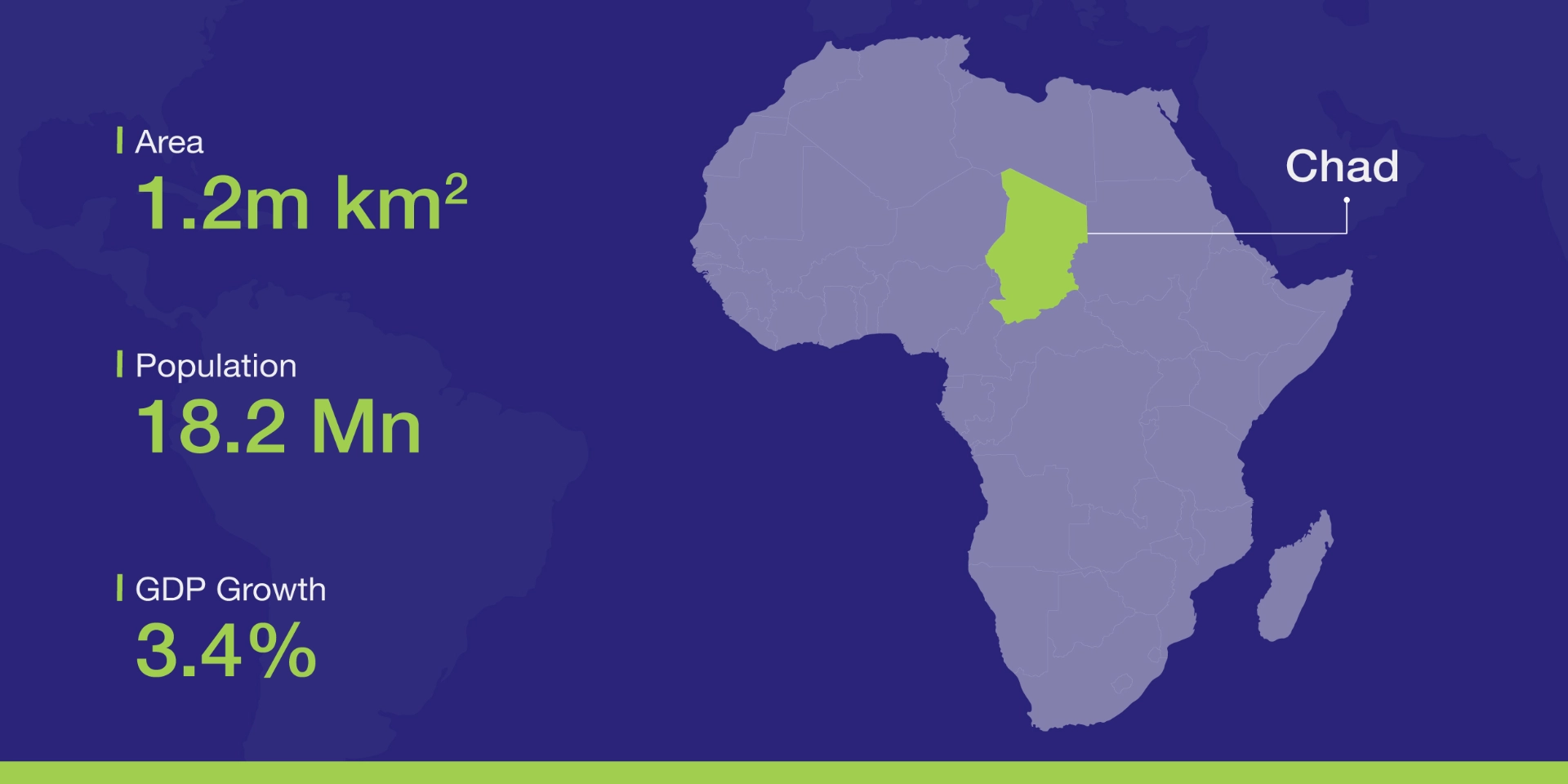
Chad's investment opportunity lies in building more processing capacity around the resources it already produces. Cotton, sesame, gum arabic and livestock are among the value chains identified by the World Bank and IFC as having potential for private-sector investment. Opportunities extend from food and agricultural processing to meat production, animal feed, leather and other livestock-derived products.
In 2024, Chad imported approximately US$2.2 billion in merchandise. This points to the scale of goods entering the market, although the commercial case for local production will depend on the specific product, production costs and access to inputs.
The emerging industrial ecosystem offers another route for investors. Zone industrielle de N'Djamena (ZINDJAM), developed by Laham Tchad in partnership with the government and ARISE IIP, is intended to support agro-industry, livestock and meat processing, textiles and manufacturing.
Connectivity
- Bordering Major Markets: Sudan and Nigeria
- N'Djamena International Airport
- Regional Port Infrastructure on Lake Chad
Key sectors
Agro-processing | Livestock and meat processing | Textiles | Cotton | Renewable energy | Packaging
Industrial ecosystem
Zone industrielle de N'Djamena (ZINDJAM)
Relevant opportunities
Meat processing | Pet Foods | Cotton | Sesame
Ideal for
Livestock and meat processors, animal-feed producers, dairy businesses, agricultural processors, cotton and textile businesses, and investors in supporting infrastructure such as cold storage and renewable energy.
Explore Chad2.3 Democratic Republic of Congo
From Mineral Resources to Industrial Processing
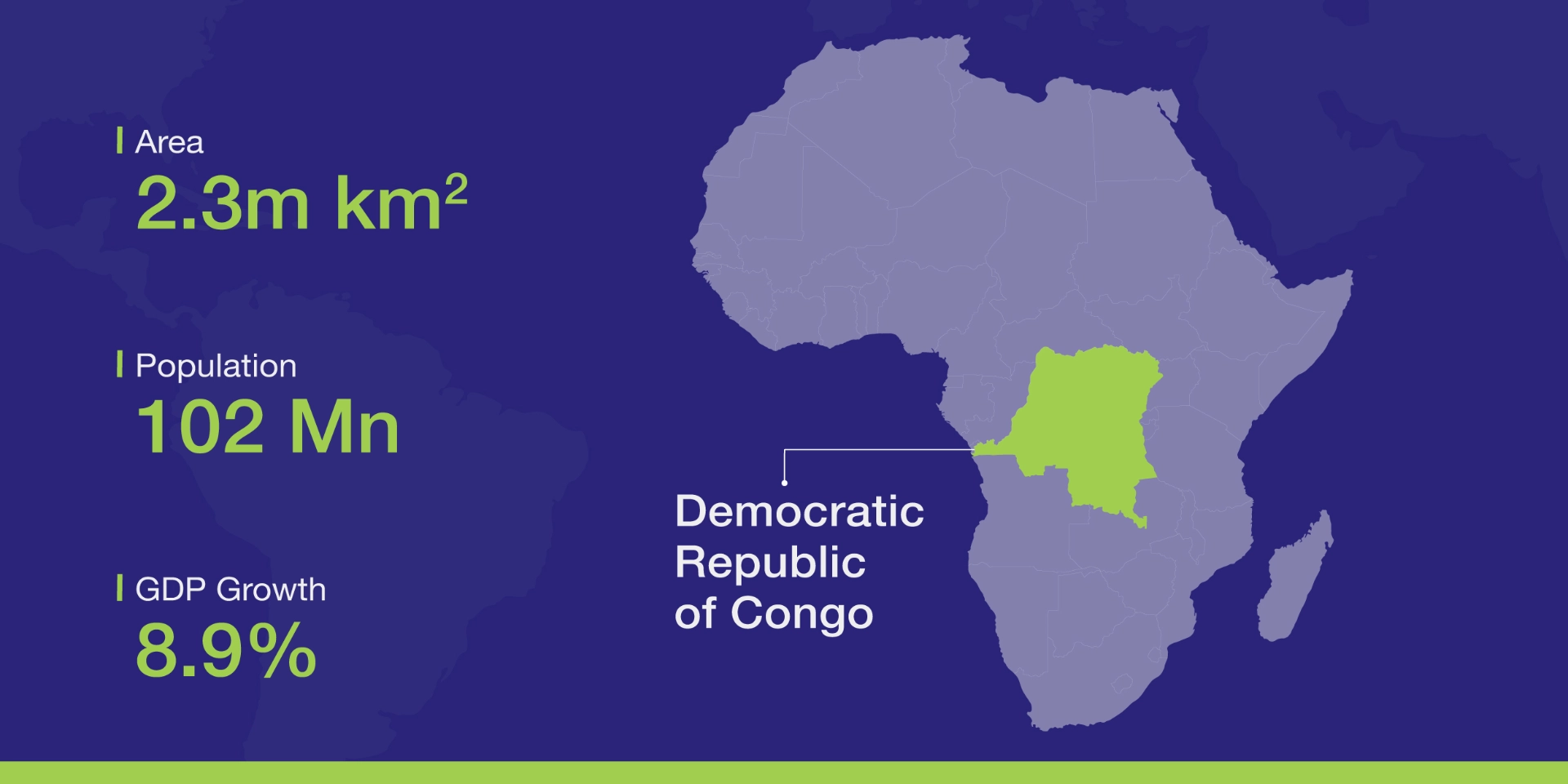
Manufacturing and industrial development in Gabon The Democratic Republic of Congo has substantial mineral and agricultural resources, creating opportunities across mineral processing, refining, agro-industry and supporting manufacturing. For investors, the opportunity extends beyond extraction to the industrial inputs, equipment and finished products that can be produced around these resources.
Its large domestic market and regional connections provide additional considerations for businesses assessing production and distribution opportunities. Infrastructure, power availability, logistics and operating conditions remain important factors in evaluating individual projects.
Connectivity
- International Airports in Major Cities
- Road Infrastructure to Connect Major Cities
Key sectors
Construction materials | Pharmaceuticals | Packaging | Renewable energy
Industrial platform
Zone Économique Spéciale de Kin-Malebo (ZESKM)
Relevant opportunities
Metal Recycling | Palm oil | rubber processing
Ideal for
Mineral processors, manufacturers of industrial inputs, agricultural processors, construction-materials businesses and companies supplying the domestic market.
Explore the Democratic Republic of Congo2.4 Gabon
Moving Timber Further Up the Value Chain
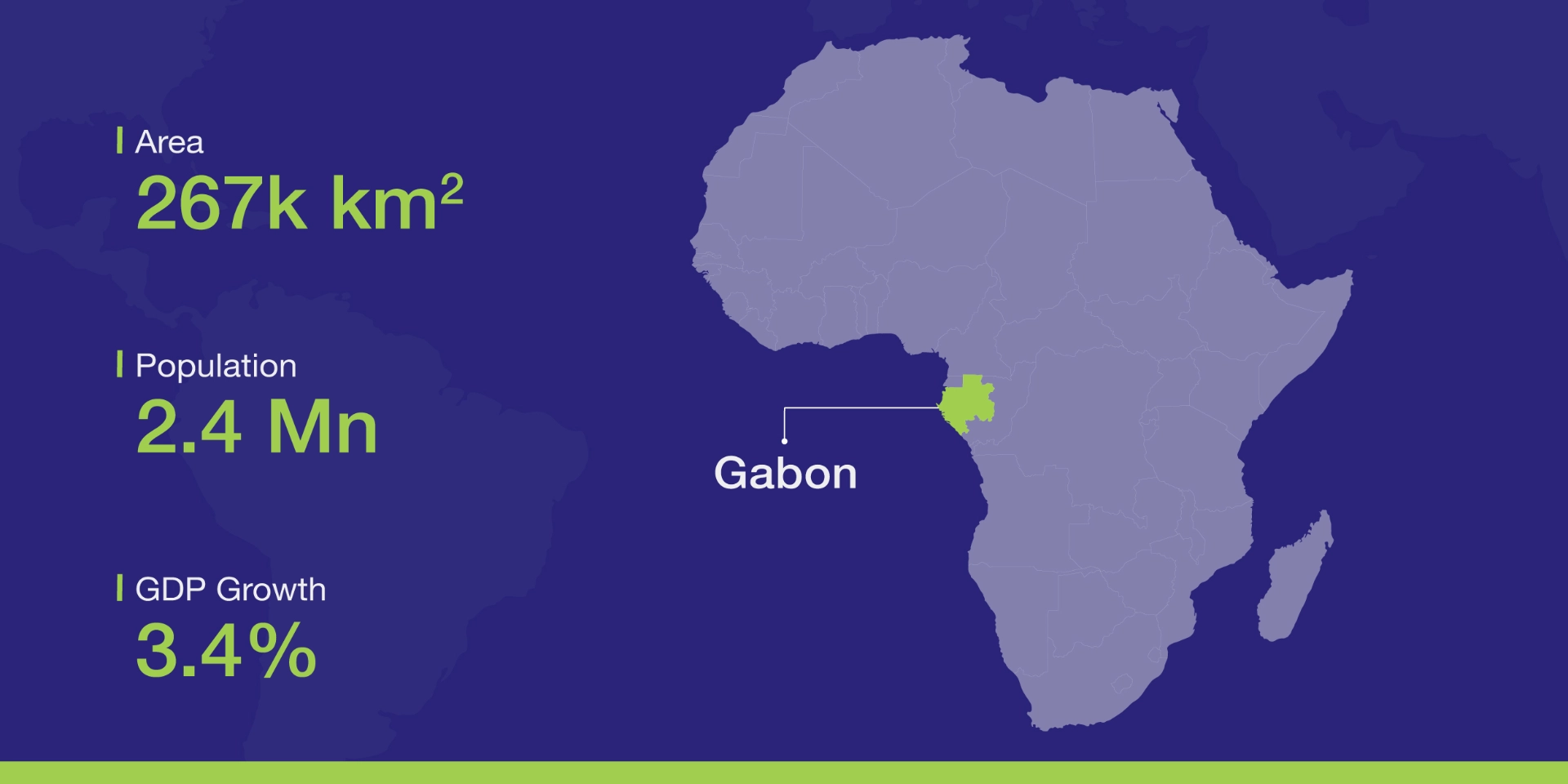
Gabon's industrial opportunity is closely linked to its timber resources and the potential to process more of that material locally. Rather than exporting timber primarily as a raw or minimally processed commodity, businesses can participate in producing veneers, plywood, panels, furniture components and other wood products.
Gabon Special Economic Zone (GSEZ), located near Libreville, brings industrial infrastructure and logistics together with a strong wood-processing cluster. Its established ecosystem makes Gabon particularly relevant to investors considering downstream timber manufacturing.
Connectivity
- 42 Airports
- Easy Access to West & Central African Markets
- Ports in Libreville, Port Gentil and Owendo
Key sectors
Timber and wood processing | Packaging | Metals processing & Refining | Waste Recycling | Veneer | Plywood
Industrial zone
Gabon Special Economic Zone (GSEZ)
Relevant opportunities
Sawn wood | Furniture | Packaging
Ideal for
Timber processors, engineered-wood manufacturers, furniture-component producers, packaging businesses and companies serving regional or export markets.
Explore Gabon2.5 Ghana
Manufacturing for Domestic and Regional Markets
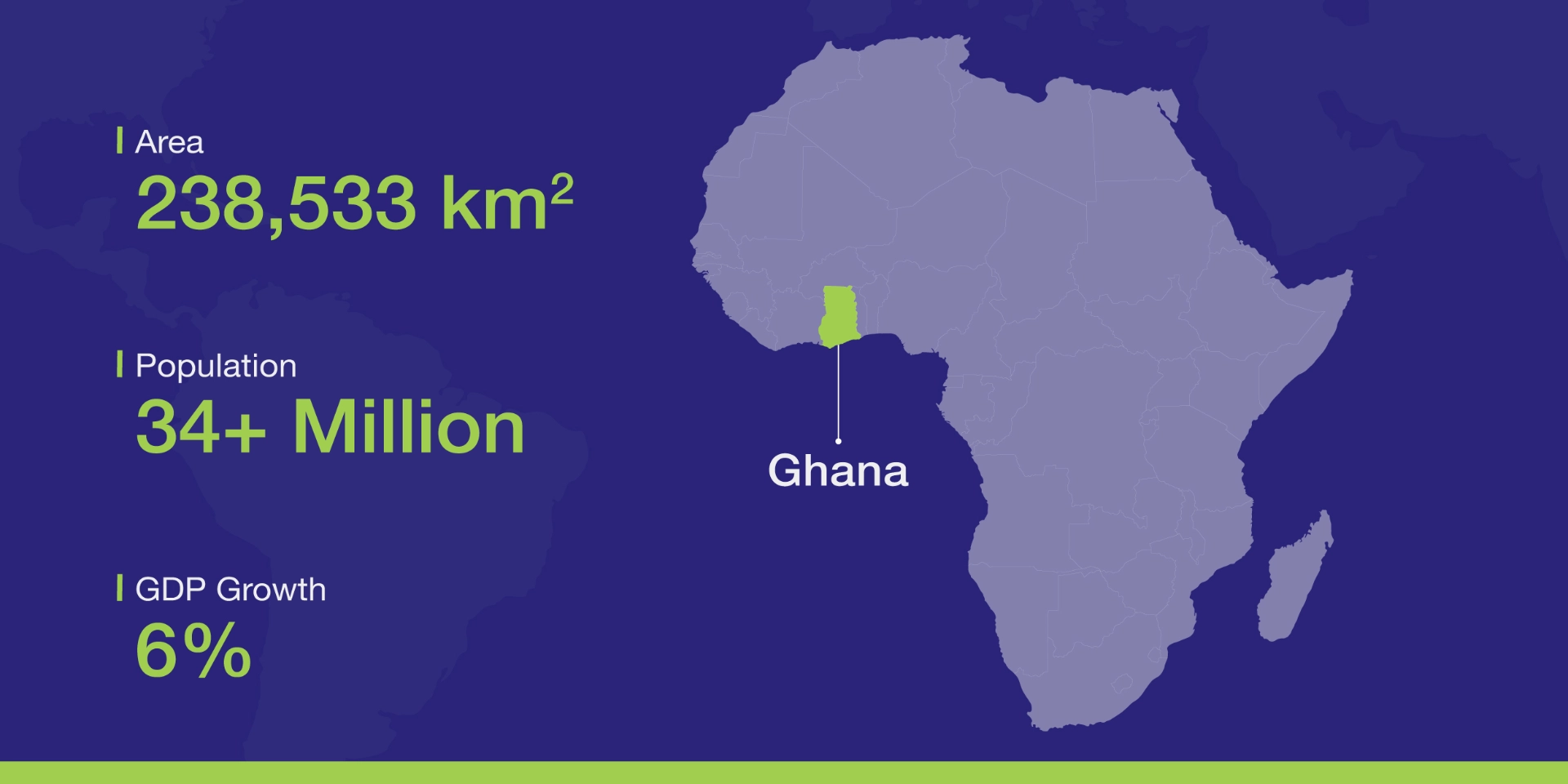
Ghana offers opportunities across agro-processing, consumer goods, construction materials and industrial manufacturing. Its agricultural production provides inputs for food and ingredient processing, while domestic demand and regional trade create potential markets for locally manufactured goods.
Investors should assess the relationship between input supply, energy and logistics costs, workforce availability and access to customers. Industrial platforms and port connections can form part of that assessment, depending on the intended production model.
Connectivity
- 1,300 Km Railway Network
- 14 International Airports
- 6 Major Ports
- Road Network of 94,203 km
Key sectors
Agro-processing | FMCG | Construction materials | Pharmaceuticals | Packaging | Automotive and spares | Chemicals
Industrial platform
Tema Integrated Industrial Park (TIIP)
Ideal for
Food processors, consumer-goods manufacturers, packaging businesses, pharmaceutical producers and manufacturers looking to serve Ghana and neighbouring markets.
Explore Ghana2.6 Côte d’Ivoire
Building on Agricultural Processing Strengths
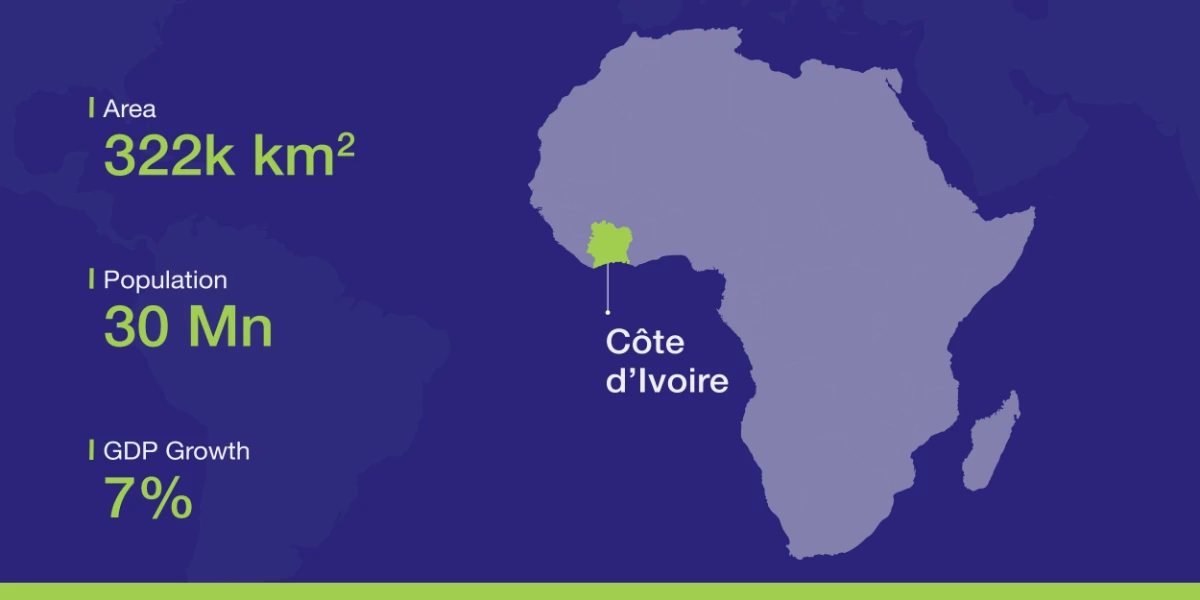
Côte d’Ivoire’s agricultural base provides opportunities across cocoa, cashew, rubber, palm oil and other value chains. Processing these resources locally can create opportunities in ingredients, food manufacturing, consumer products, packaging and industrial inputs.
Abidjan’s port and commercial infrastructure are important considerations for businesses sourcing inputs and serving export markets. Investors should also assess the availability of suitable industrial sites, utilities and processing infrastructure for their specific activities.
Connectivity
- International Airport in Abidjan
- Maritime Ports in Abidjan & San Pedro for Trade
- Well-Developed Road Infrastructure
Key sectors:
Agro processing | Textiles | Packaging | Construction materials | Pharmaceuticals
Industrial platform:
Plateforme Economique Industrielle d'Abidjan (PEIA)
Relevant opportunities:
Cocoa | Cashew | Palm oil | Rubber processing | Beverage
Ideal for:
Agricultural processors, food manufacturers, rubber processors, packaging companies and businesses building export-oriented production.
Explore Côte d’Ivoire2.7 Kenya
A Manufacturing Base for East African Markets
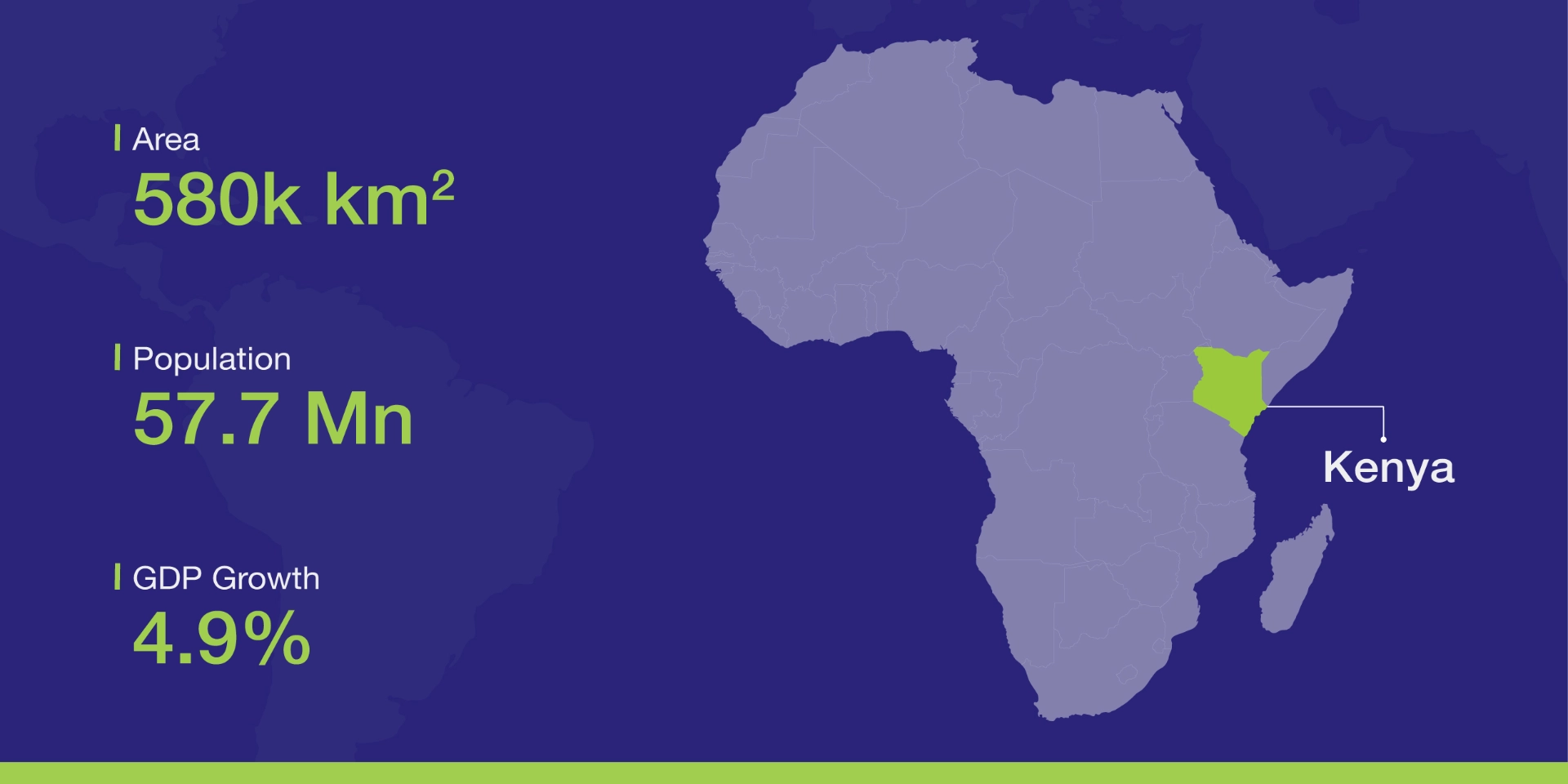
Kenya offers opportunities across established manufacturing sectors as well as newer industrial and technology-linked activities. Food processing, pharmaceuticals, construction materials, automotive components and consumer goods are relevant areas for manufacturers, while its logistics networks and commercial links can support regional distribution.
The investment case will differ by product: some businesses may prioritise the domestic market, while others may assess Kenya as a base for serving East African customers. Industrial platforms, utilities, transport links and access to suppliers should be evaluated together.
Connectivity
- 2,770 Km (MGR), 600 Km (SGR)
- 246,000+ Km Road Network
- 8 International Fibre-Optic Cable Landings in Mombasa
- 9 International Airports
- 9 Major Ports
Key sectors:
Agro processing | Pharmaceuticals | Automotive and spares | Construction materials | Packaging | FMCG | Consumer Electronics | Renewable energy
Industrial platforms:
Vipingo Special Economic Zone (VSEZ)
Relevant opportunities:
Cassava | Cotton | Groundnut | Soya Bean | Beverage | Meat Processing | Palm Oil | Sawn Wood
Ideal for:
Manufacturers serving domestic and regional markets, component suppliers, consumer-goods businesses and investors seeking an East African production base.
Explore Kenya2.8 Malawi
Turning Agricultural Production into Processed Goods
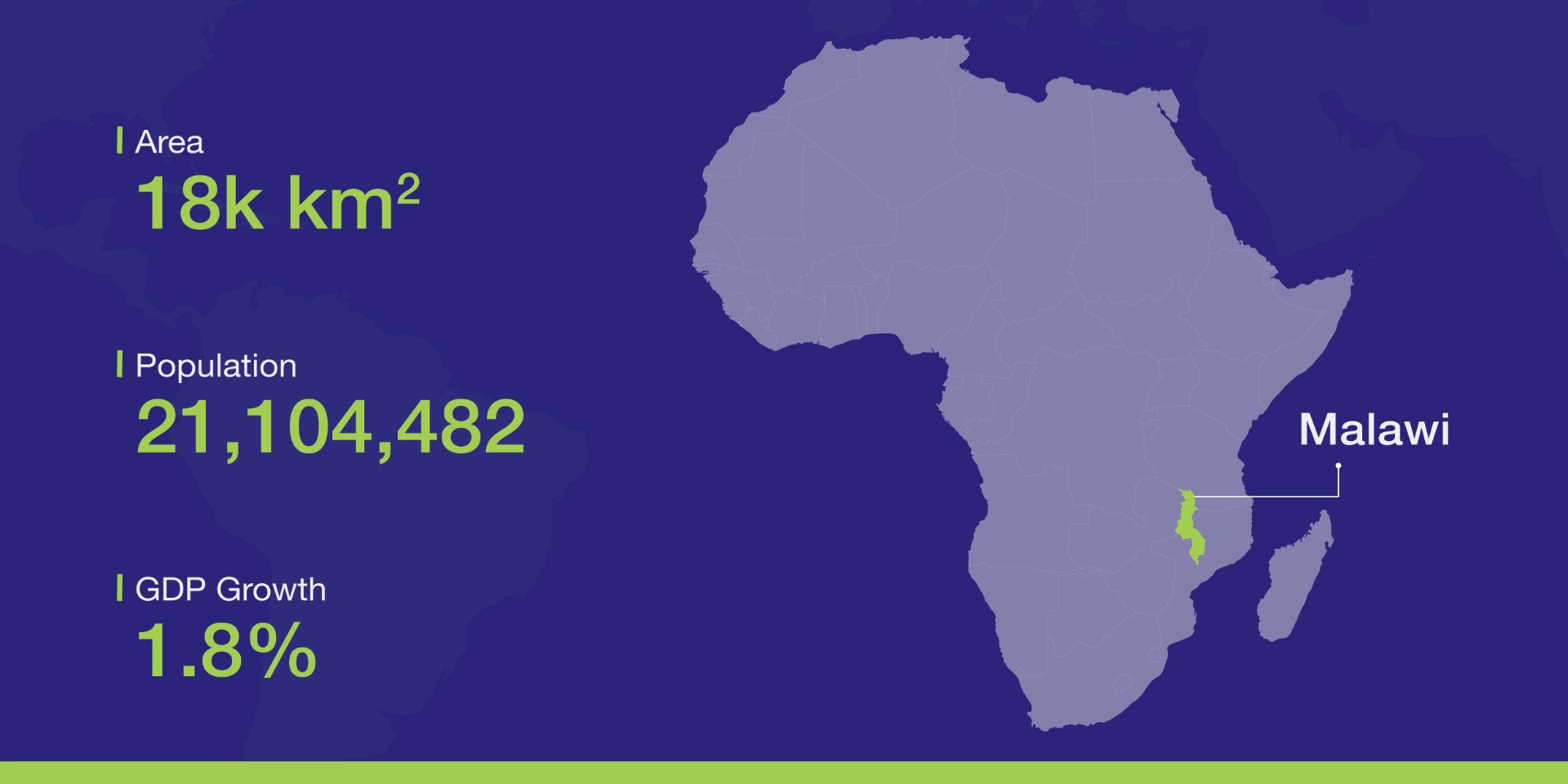
Malawi's investment opportunities are closely linked to agriculture and the processing, storage and distribution infrastructure required to commercialise production. Maize, rice, soybean and groundnuts offer potential opportunities across milling, edible oils, food manufacturing, animal feed and packaged products.
The investment case extends beyond processing plants to aggregation, storage, cold-chain infrastructure and agricultural inputs. Reliable supply, seasonal availability, transport costs and access to customers should guide project selection.
Connectivity
- 5,451 Kilometers of Roads, with More Infrastructure Planned
- Multiple Airports, Including Kamuzu International
- Several Seaports, Including Ports on Lake Malawi
Key sectors:
Agro processing | Agriculture machinery | Animal Husbandry | Dairy manufacturing | FMCG | Packaging | Renewable energy
Relevant opportunities:
Grains, Cereals & Pulses | Groundnut | Pet Foods
Ideal for:
Food processors, edible-oil producers, animal-feed manufacturers, agricultural equipment suppliers and businesses supporting commercial farming.
Explore Malawi2.9 Nigeria
Scaling Manufacturing in Africa's Largest Consumer Markets
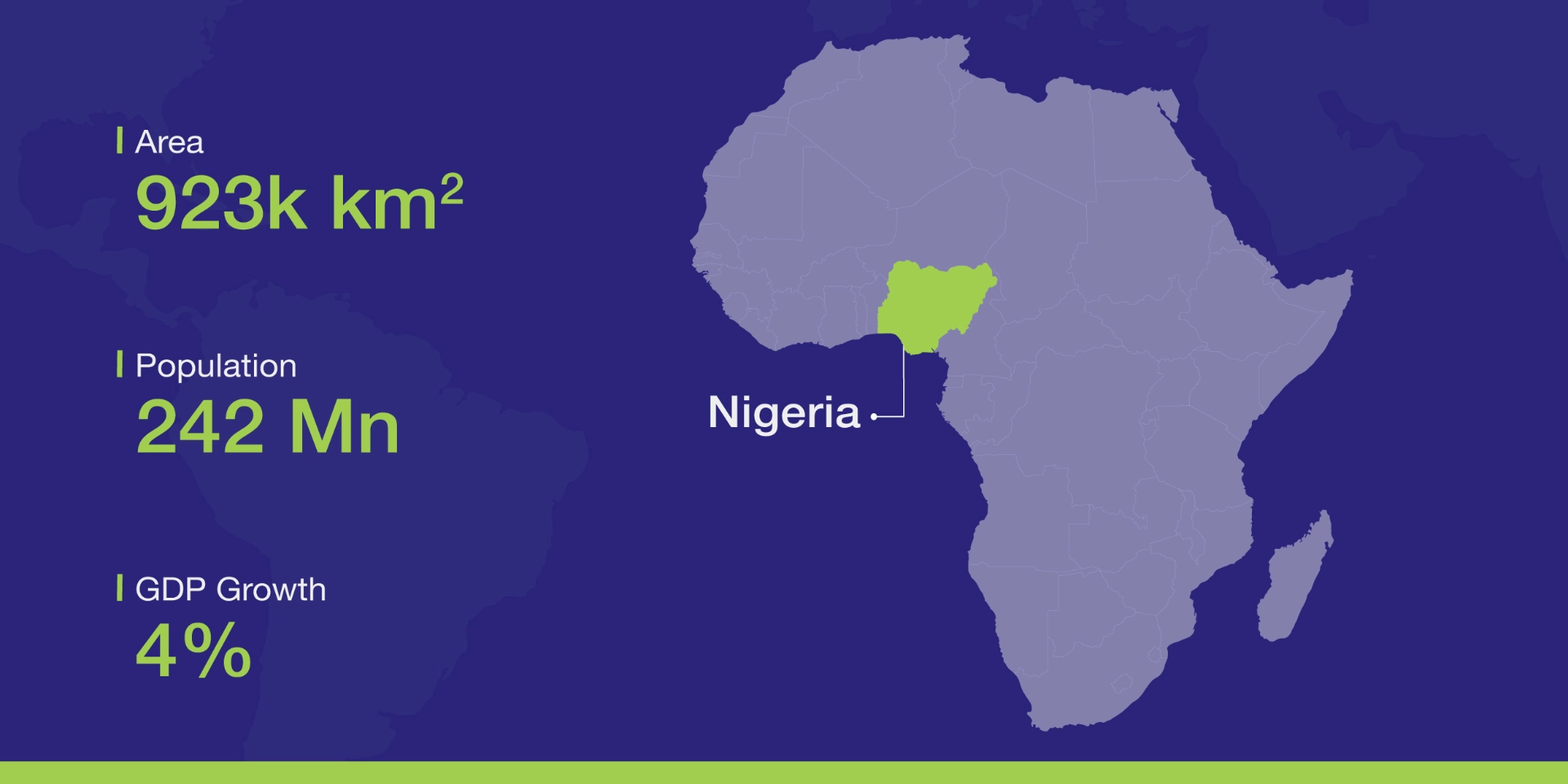
Nigeria's large domestic market creates opportunities across food and beverages, pharmaceuticals, construction materials, chemicals, packaging and consumer goods. Its agricultural and industrial resources can also support manufacturing inputs and downstream production.
For investors, the opportunity is to identify products for which local production can compete on cost, quality, availability and distribution. Power, logistics, foreign-exchange exposure and the cost of imported inputs remain important considerations in the investment case.
Connectivity
- 30+ Airports, Including 5 International Airports
- 6 Major Operational Seaports
- ~195,000 km Road Network
- ~3,500 km Rail Network (Cape Gauge)
Key sectors:
Agro processing | FMCG | Pharmaceuticals | Chemicals | Construction materials | Packaging | Automotive and spares | Metals processing and refining
Industrial platform:
Industrial Platform Remo Free Zone (IPRFZ)
Relevant opportunities:
Ideal for:
Manufacturers targeting domestic demand, businesses seeking local supply-chain alternatives, and producers able to build competitive operations around available inputs.
Explore Nigeria2.10 Republic of Congo
Unlocking Opportunities in Wood Processing
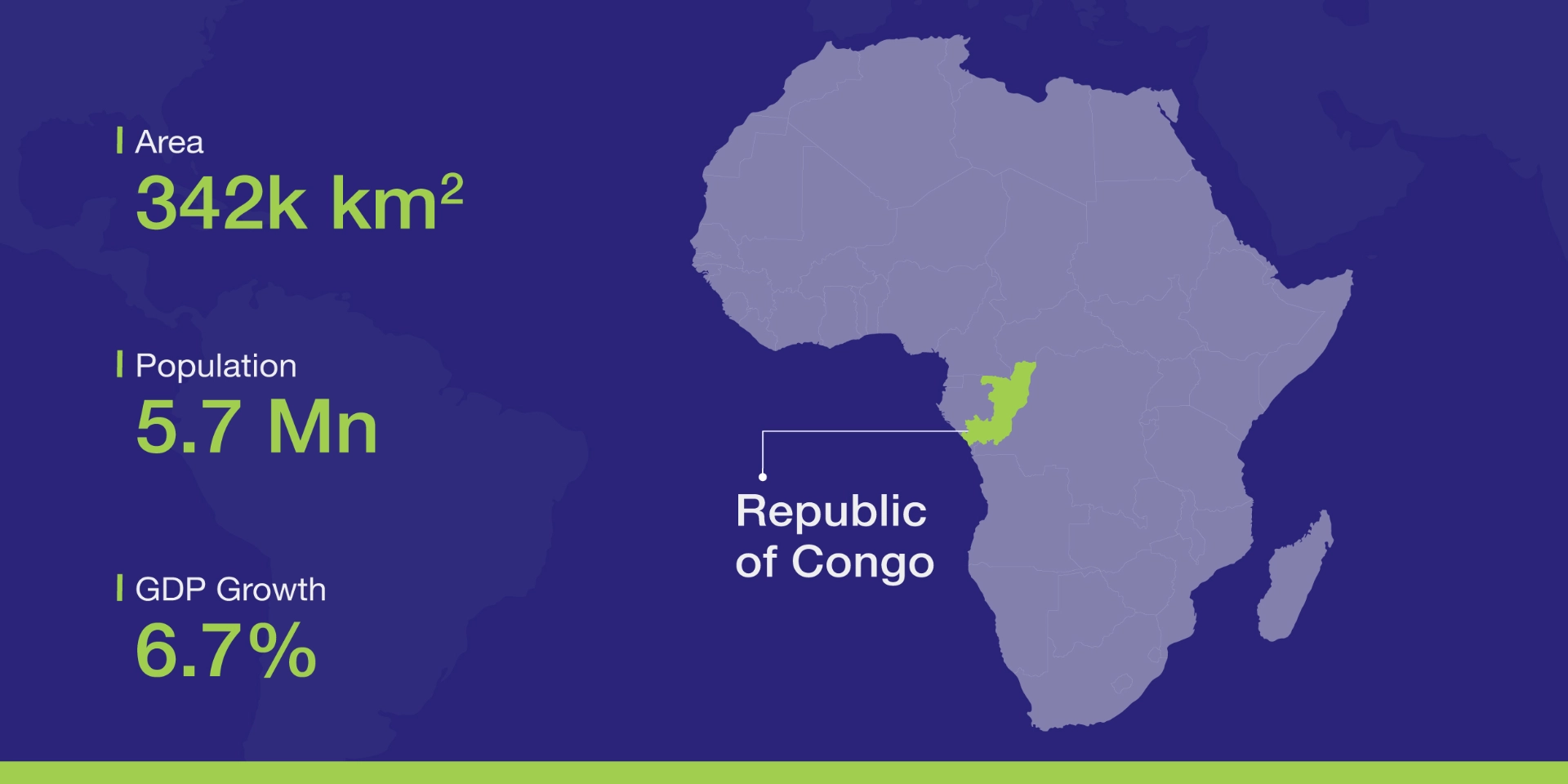
The Republic of Congo offers opportunities across timber, mineral resources, oil and gas-related industries, construction materials and agro-processing. For manufacturers, the opportunity extends to processing, industrial inputs and services that support these sectors.
Industrial platforms and port infrastructure can be relevant to businesses evaluating export-oriented production. The commercial case should be tested against energy availability, transport costs, market access and the maturity of the relevant industrial ecosystem.
Connectivity
- 1 Major Port Located in Pointe-Noire
- 2 International Airports
- Major Roads Connecting Cities
Key sectors:
Timber and wood processing | Oil and gas | Construction materials | Metals Processing & Refining | Agro processing | Packaging
Industrial platform:
Plateformes Industrielles du Congo (PIC)
Relevant opportunities:
Ideal for:
Timber processors, industrial suppliers, construction-materials producers and businesses supporting resource-based industries.
Explore the Republic of Congo2.11 Rwanda
Creating Opportunities in Specialised Manufacturing
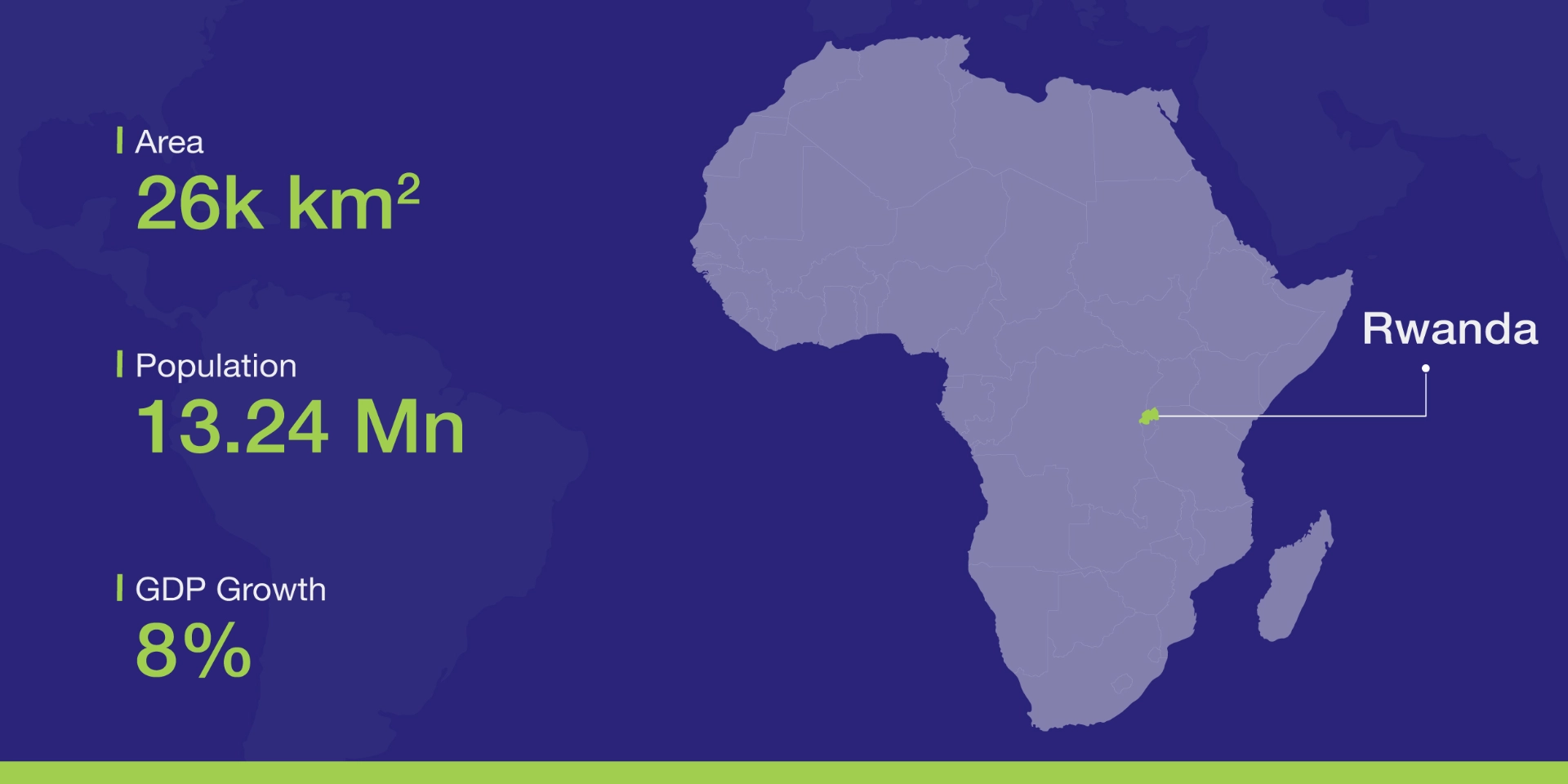
Rwanda’s manufacturing opportunities include pharmaceuticals, packaging, consumer products, construction materials, garments, automotive-related activities and recycling. Its industrial policy and investment framework support the development of local production, while its regional connections can help businesses assess wider East African markets.
For investors, Rwanda may be relevant where a focused production model, specialised products or access to regional customers outweigh the advantages of operating at a much larger industrial scale.
Connectivity
- Easy Access to the Eastern DRC Market
- Kigali International Airport
Key sectors:
Pharmaceuticals | Packaging | Agro processing | Construction materials | Textiles | Automotive & Spares | Waste Recycling
Industrial platform:
Bugesera Special Economic Zone (BSEZ)
Relevant opportunities:
Glass Manufacturing | Plywood | Plastic Recycling
Ideal for:
Pharmaceutical manufacturers, packaging businesses, specialised light manufacturers, food processors and producers targeting regional markets.
Explore Rwanda2.12 Sierra Leone
Developing Processing Capacity Around Agriculture
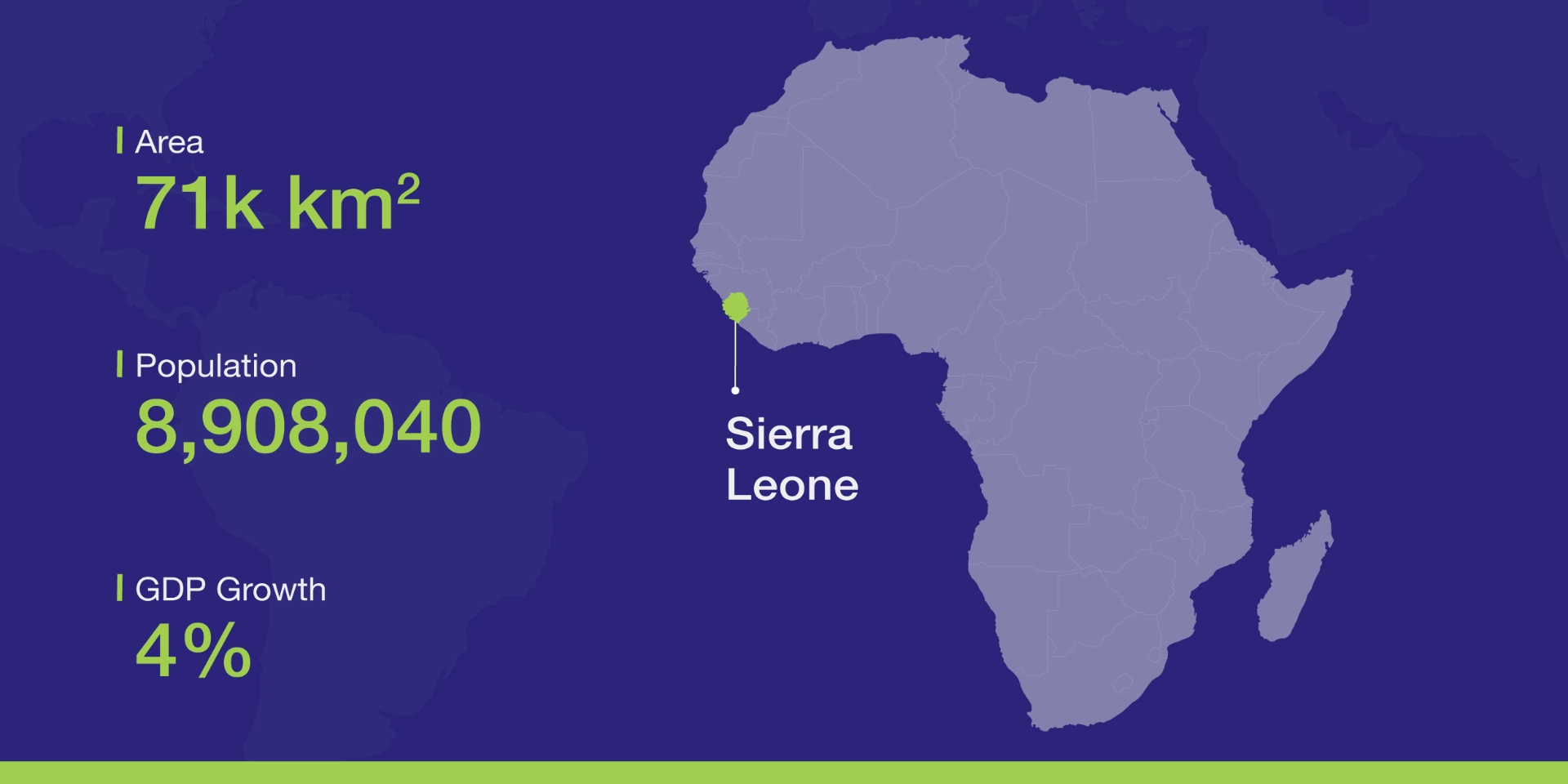
Sierra Leone’s agricultural resources provide potential opportunities across rice, cocoa, coffee, oil palm, horticulture and livestock. Investment can extend from primary production into milling, food processing, packaging, cold storage and other services needed to move products to market.
For manufacturers, the opportunity depends on the availability of reliable inputs, logistics, utilities and commercially viable routes to domestic, regional or international customers.
Connectivity
- 11,700 km road network
- 7 domestic and 1 international airports
Key sectors:
Agro processing | Animal husbandry | Packaging | Agriculture machinery | Renewable energy | Construction materials
Relevant opportunities:
Cocoa | Palm oil | Fruit processing
Ideal for:
Agricultural processors, rice millers, food manufacturers, livestock businesses and companies supplying equipment and services to commercial agriculture.
Explore Sierra Leone2.13 Tanzania
A Manufacturing Base with Regional Reach
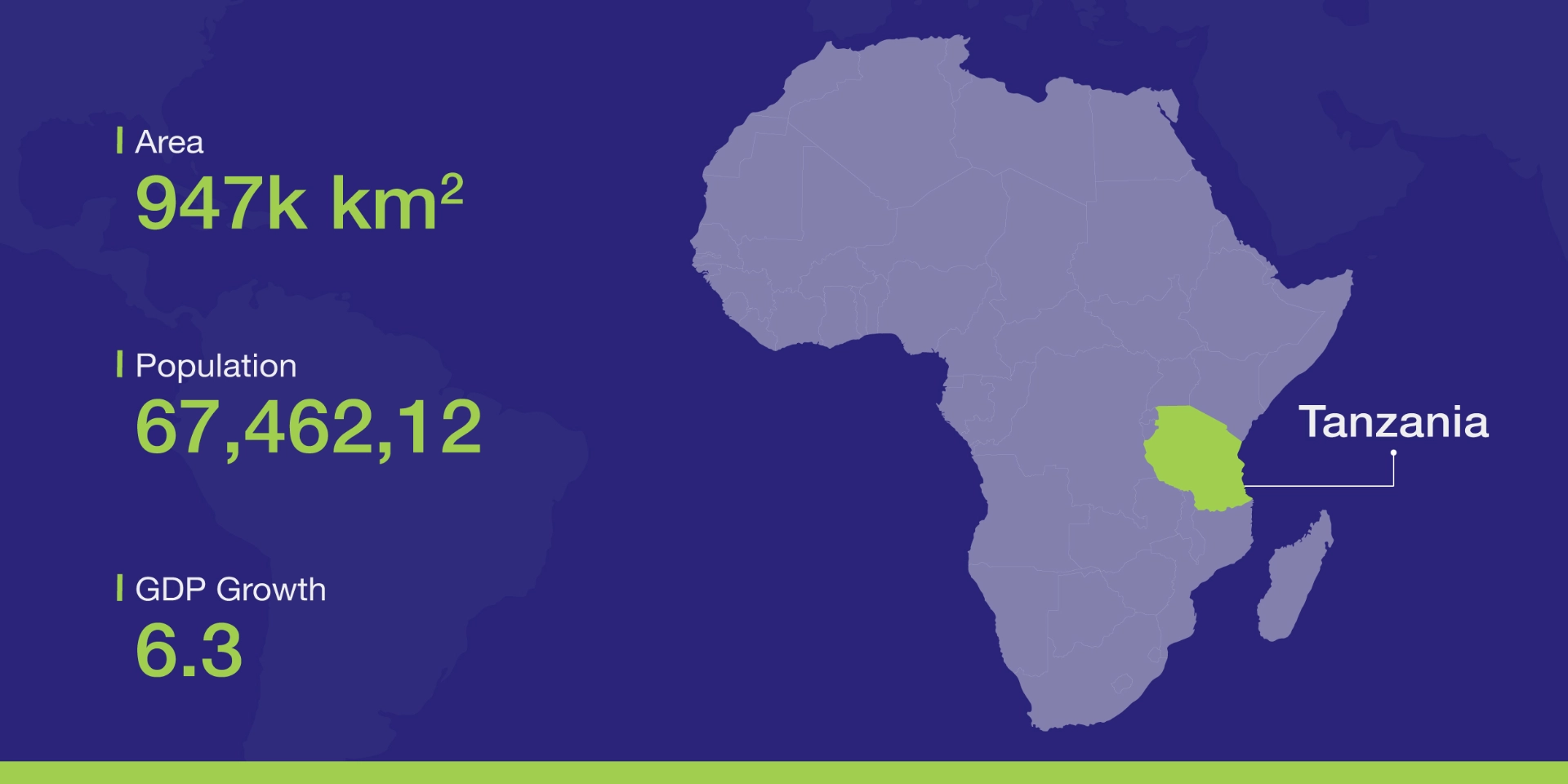
Tanzania offers opportunities across agro-processing, chemicals, construction materials, textiles, machinery, electrical products and other light industries. Its ports and regional transport links can support different production models, from supplying domestic demand to serving neighbouring markets and international buyers.
The investment decision should consider the intended market, the cost of moving inputs and finished goods, and the infrastructure available at the chosen site. Special economic zones and export-processing arrangements may be relevant depending on the activity and eligibility criteria.
Connectivity
- 3 International Airports
- 90,000+ km of Roads, with Ongoing Infrastructure Developments
- High-Volume Ports Such as Dar es Salaam Port
Key sectors:
Agro processing | Textiles | Chemicals | Construction materials | Packaging | Agriculture Machinery | Consumer Electronics | Metals Processing & Refining
Relevant opportunities:
Palm Oil | Plastic Recycling | Switchgear and Electrical Materials
Ideal for:
Manufacturers targeting domestic and regional demand, export-oriented producers and businesses supplying industrial and consumer markets.
Explore Tanzania2.14 Togo
Connecting Processing and Manufacturing to Trade
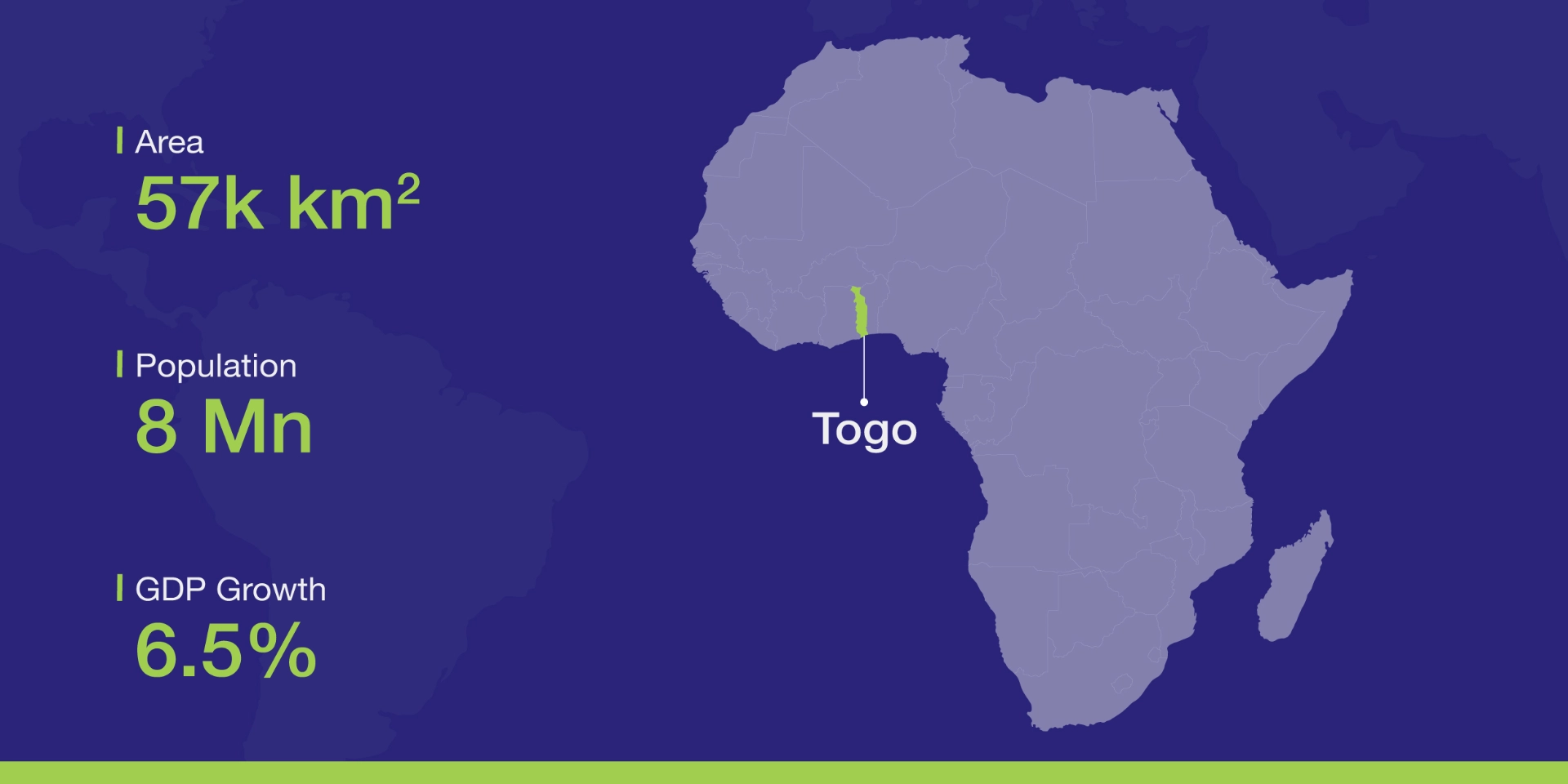
Togo’s industrial proposition combines agricultural value chains with access to port and logistics infrastructure. Soybean, cotton, cashew and other agricultural products create opportunities in processing, while the wider industrial platform supports manufacturing activities ranging from textiles to packaging and assembly.
The Plateforme Industrielle d’Adétikopé (PIA) is particularly relevant for investors assessing integrated logistics, agro-processing and export-oriented manufacturing.
Connectivity
- 11,734 km road network
- 7 domestic and 1 international airports
- 568 km railway network
Key sectors:
Agro-processing | Textiles | Metals Processing & Refining | Automotive & Spares | Waste Recycling
Industrial platform:
Plateforme Industrielle d’Adétikopé (PIA)
Relevant opportunities:
Cotton | Helmet Manufacturing | Fruit processing
Ideal for:
Agricultural processors, textile manufacturers, garment businesses, packaging companies and producers looking to serve regional or international markets.
Explore Togo3. Identifying the Right Opportunity
The right opportunity depends on what you want to produce, where you enter the value chain and which markets you intend to serve. From agricultural processing and textiles to pharmaceuticals, construction materials and supporting industries, each sector offers different entry points for investment.
We map opportunities across 18 sectors, connecting them to relevant destinations, industrial zones and business opportunities.
3.1 Agriculture Machinery
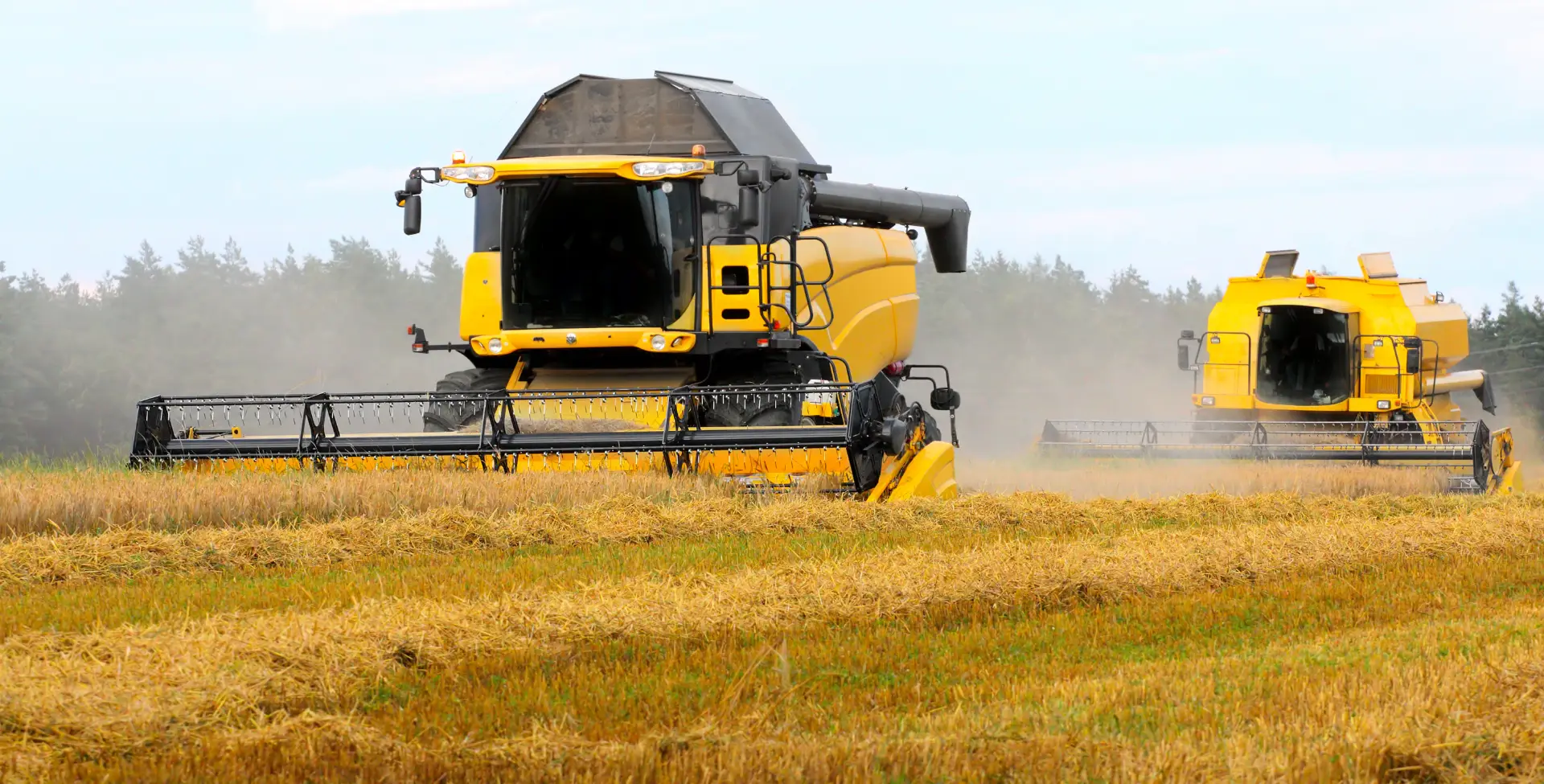
As agricultural production scales, opportunities emerge in the equipment needed to plant, harvest, process and handle crops. These range from machinery assembly and component manufacturing to spare parts, maintenance and equipment adapted to local farming conditions.
Ideal for: Agricultural equipment manufacturers, machinery assemblers, component suppliers and businesses supporting farm mechanisation.
Relevant locations: Nigeria
Explore Agriculture Machinery3.2 Agro-processing
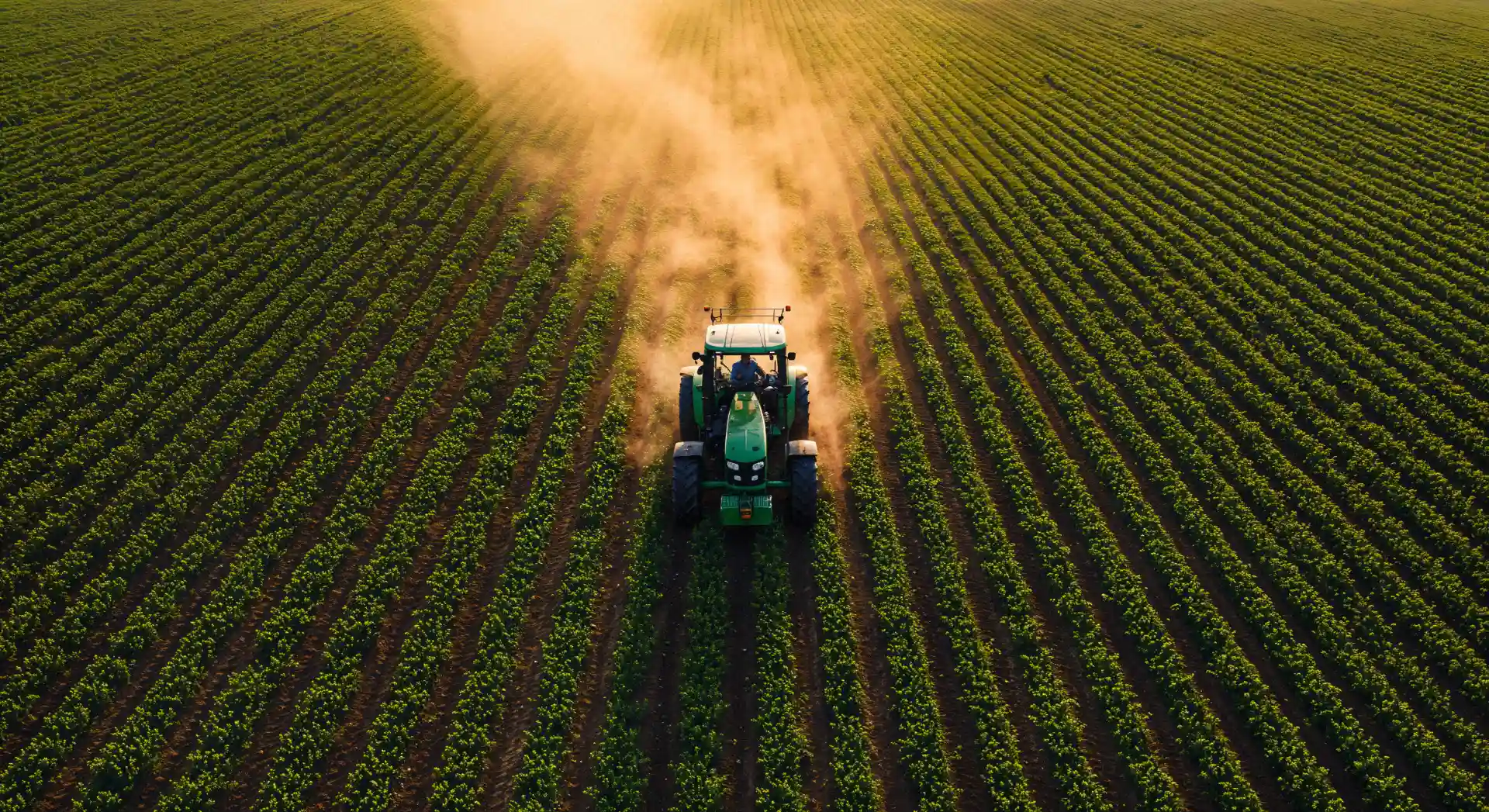
Agro-processing creates opportunities to turn locally available crops into ingredients, processed foods and finished products. The strongest investment cases combine reliable access to raw materials with processing capacity and viable routes to domestic, regional or export markets.
Ideal for: Food processors, edible-oil producers, beverage companies, cocoa and cashew processors, fruit processors and ingredient manufacturers.
Relevant locations: Benin | Chad | Côte d’Ivoire | Ghana | Kenya | Nigeria | Rwanda | Togo
Relevant opportunities: Cashew | Cocoa | Cassava | Palm oil | Soya Bean | Fruit processing | Groundnut | Sesame | Grains, Cereals & Pulses
Explore Agro-processing3.3 Animal Husbandry
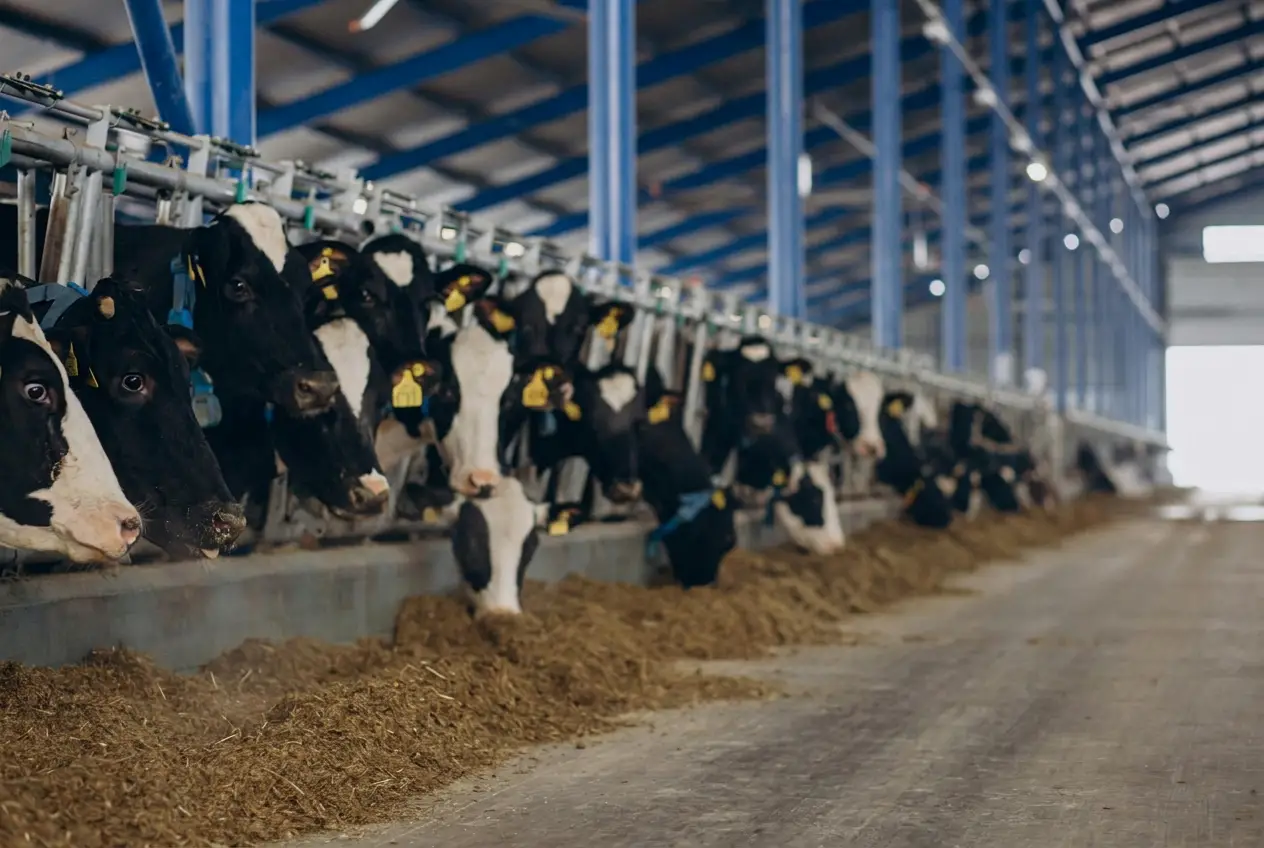
Livestock can support a wider manufacturing value chain, extending from meat and dairy processing to animal feed, hides and leather. Investment potential depends on livestock supply, processing capacity, veterinary standards, cold-chain infrastructure and access to viable markets.
Ideal for: Commercial livestock businesses, meat processors, abattoir operators, dairy manufacturers, animal-feed producers and leather processors.
Relevant locations: Rwanda
Relevant opportunities: Meat processing | Pet Foods
Explore Animal Husbandry3.4 Automotive & Spares
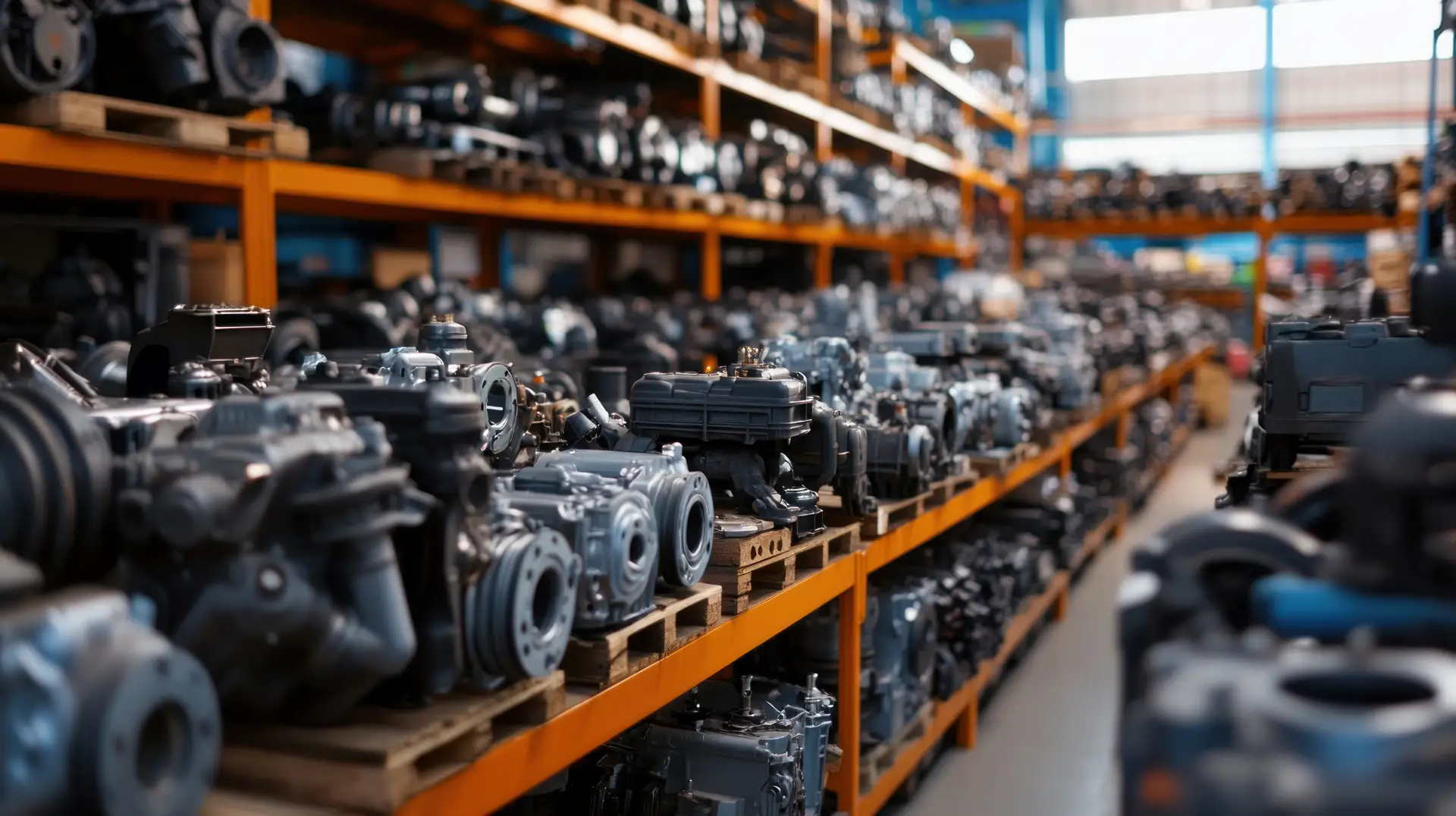
As vehicle markets and manufacturing ecosystems develop, opportunities emerge beyond vehicle assembly. Components, spare parts, repair products and supporting manufacturing can build around demand from vehicle owners, distributors and industrial operators.
Ideal for: Component manufacturers, vehicle assemblers, spare-parts producers and industrial suppliers.
Relevant locations: Nigeria | Ghana | Kenya | Côte d'Ivoire | Togo
Relevant opportunities: Helmet Manufacturing
Explore Automotive & Spares3.5 Chemicals
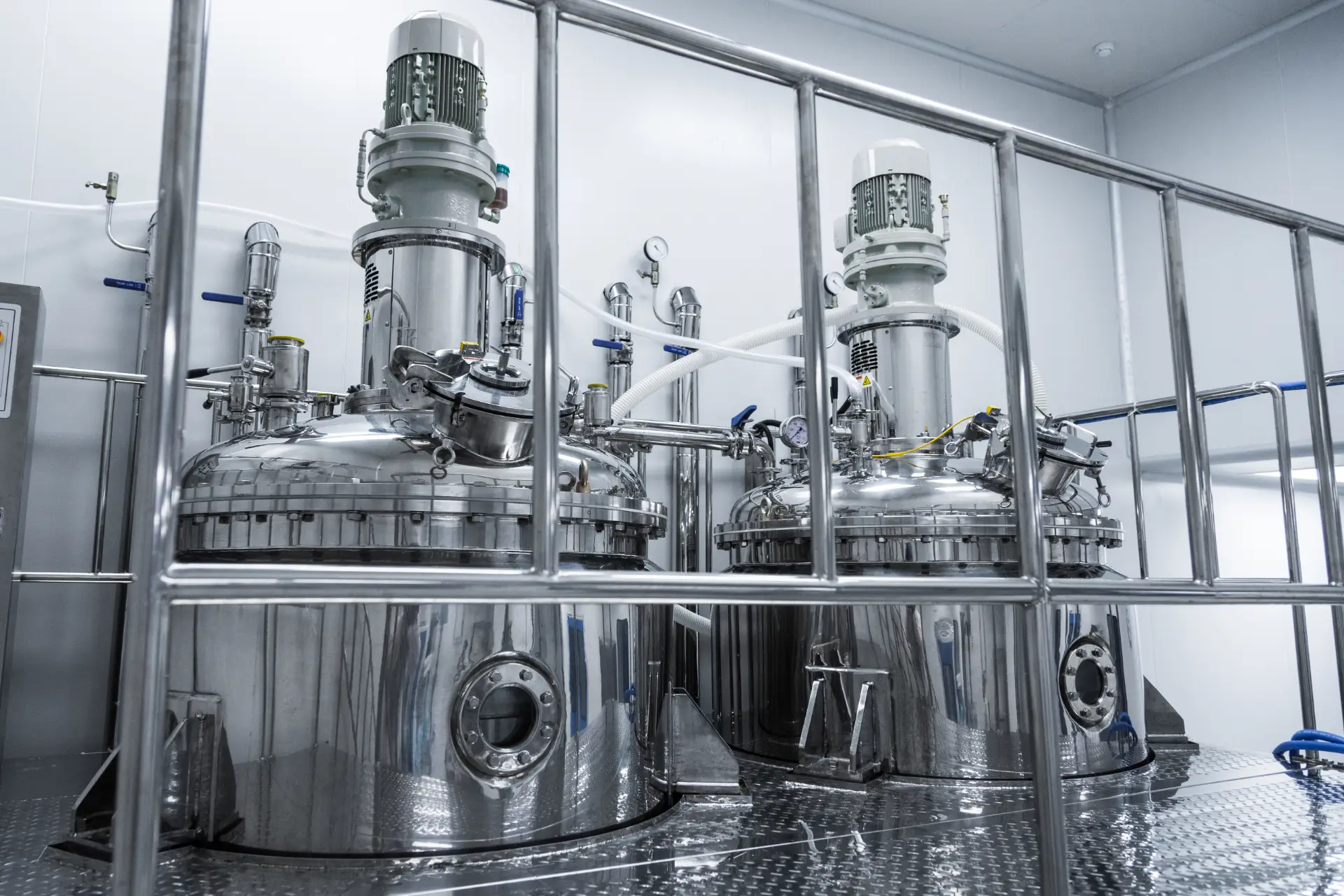
Chemicals are an enabling industry for agriculture, manufacturing, construction and consumer products. Local production can address demand for industrial inputs while strengthening supply chains around other developing sectors.
Ideal for: Industrial chemical manufacturers, fertiliser producers, formulators and businesses supplying manufacturing inputs.
Relevant locations: Ghana | Republic of Congo
Relevant opportunities: Chemicals | Caustic Soda | Plastic Recycling
Explore Chemicals3.6 Construction Materials
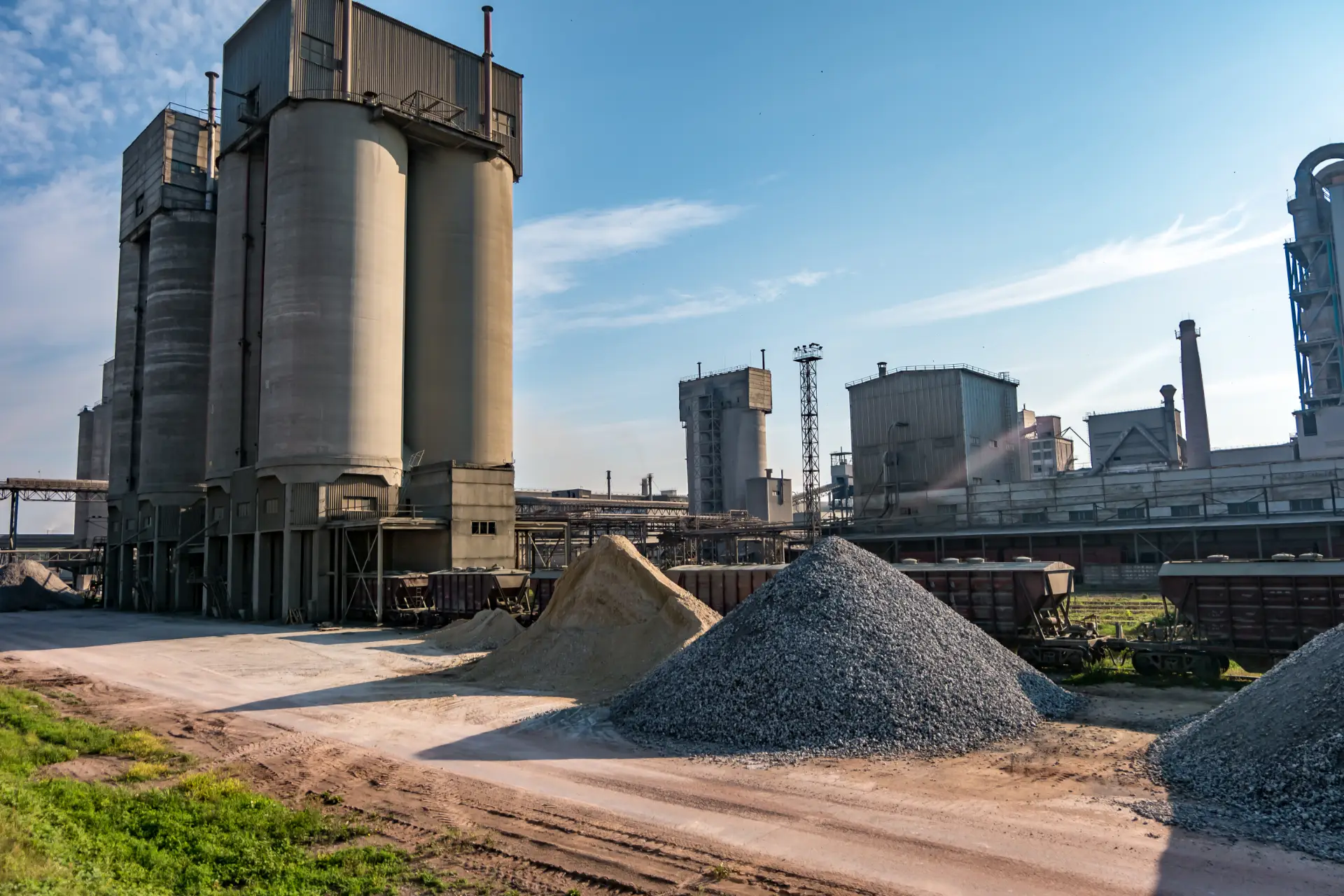
Infrastructure, housing and industrial development create demand for materials that can be produced closer to the markets they serve. Opportunities span cement, ceramics, glass, steel, plastics and other building products.
Ideal for: Building-materials manufacturers, processors, component producers and industrial suppliers.
Relevant locations: Nigeria | Kenya | Côte d'Ivoire | Republic of Congo | Rwanda | Benin
Relevant opportunities: Cement | Glass Manufacturing | Ceramics | Steel Roofing Manufacturing
Explore Construction Materials3.7 Consumer Electronics

Demand for electronics creates opportunities across assembly, selected component production, repair and supporting services. The right entry point depends on market size, supplier access, technical capabilities and the cost of imported components.
Ideal for: Electronics assemblers, component suppliers, appliance manufacturers and businesses supporting electronic-product distribution.
Relevant locations: Nigeria | Côte d'Ivoire | Democratic Republic of Congo
Relevant opportunities: Switchgear and Electrical Materials | Consumer electronics
Explore Consumer Electronics3.8 Cosmetics

Beauty and personal-care markets create opportunities for local production of finished products and the packaging and ingredients that support them. Manufacturers should assess consumer demand, formulation requirements, product standards and access to suitable packaging.
Ideal for: Cosmetics manufacturers, personal-care businesses, contract manufacturers and packaging suppliers.
Relevant opportunities: Soap & Detergents Manufacturing | Cosmetics | Wig Manufacturing | Shea Processing
Explore Cosmetics3.9 Dairy Manufacturing
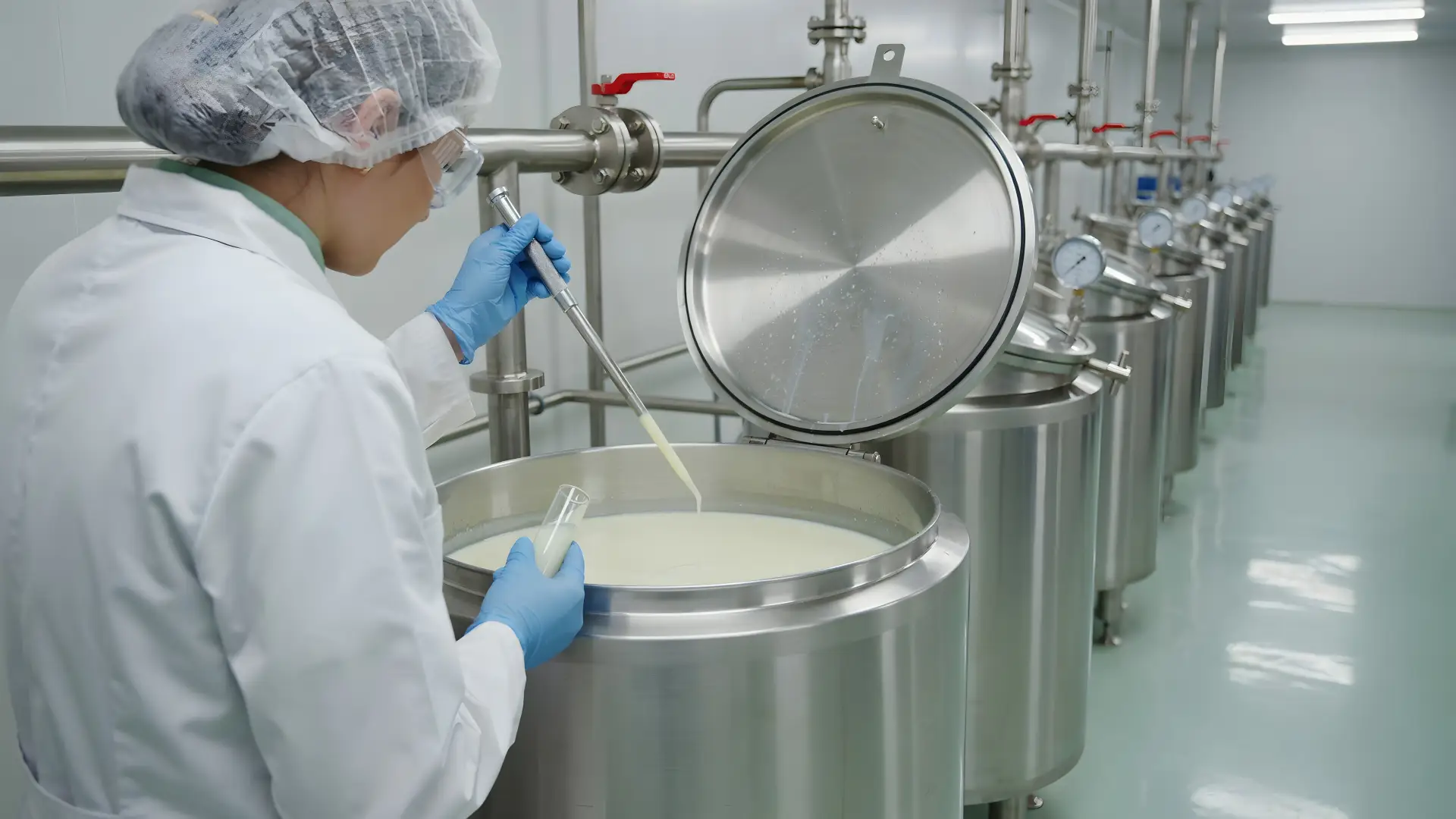
Dairy manufacturing can connect local milk production with products for domestic and regional consumers. Opportunities include processing, preservation, cold-chain logistics and the manufacture of value-added dairy products.
Ideal for: Dairy processors, milk collection businesses, cold-chain operators and manufacturers of dairy products.
Relevant locations: Chad
Relevant opportunities: Beverage
Explore Dairy Manufacturing3.10 Fast Moving Consumer Goods

Fast-moving consumer goods serve recurring demand across food, beverages, household products and personal care. Local production can create opportunities where manufacturers can compete on price, quality, distribution and product availability.
Ideal for: Consumer-goods manufacturers, contract manufacturers, food and beverage businesses and household-product producers.
Relevant locations: Chad | Côte d'Ivoire | Democratic Republic of Congo | Republic of Congo | Kenya
Relevant opportunities: Beverage | Chips & Biscuits | Soap & Detergents Manufacturing
Explore FMCG3.11 Metals Processing & Refining
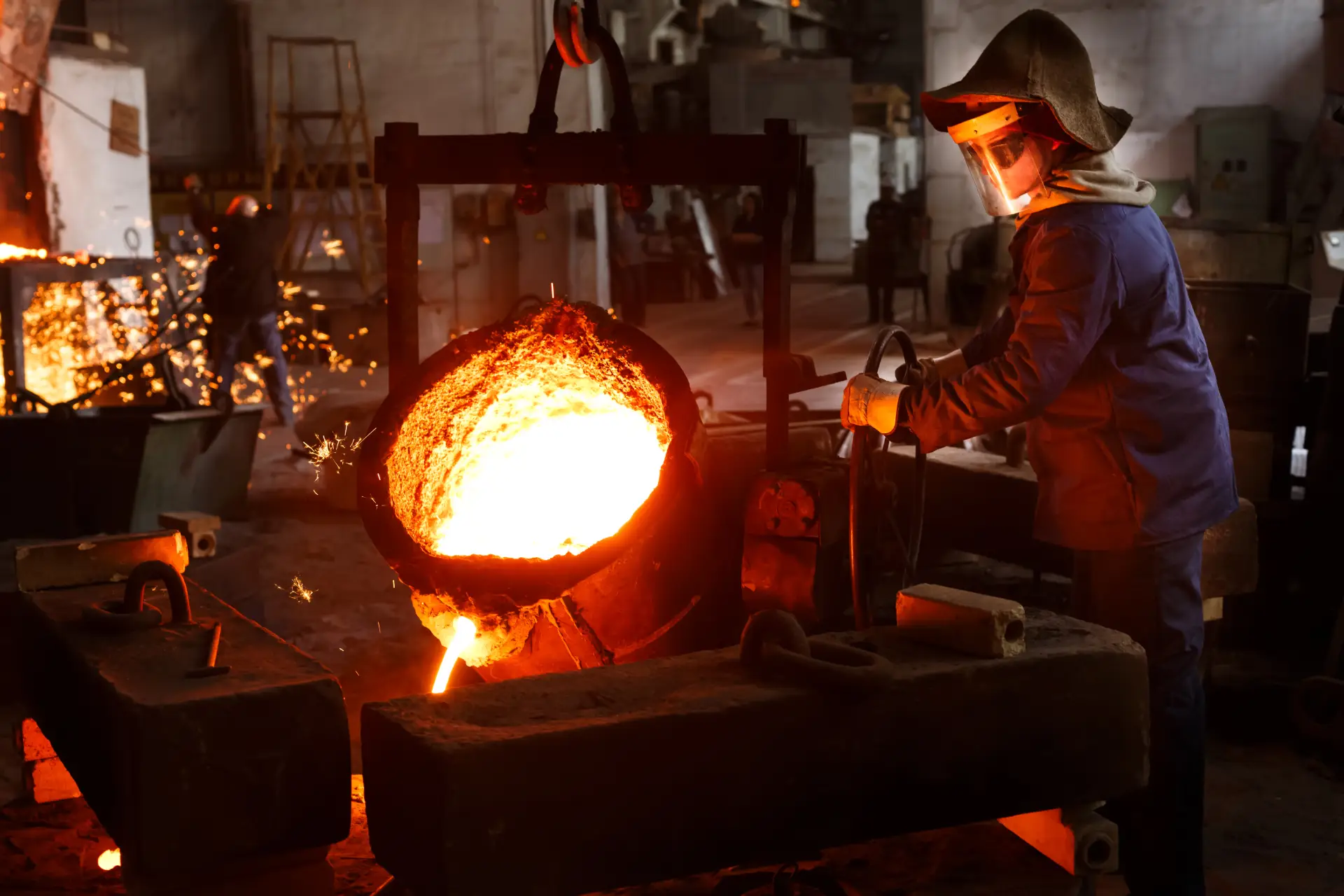
Mineral resources can support a broader industrial opportunity when processed into refined materials and manufacturing inputs. Investment decisions need to account for energy requirements, technical capability, environmental standards, transport costs and access to buyers.
Ideal for: Mineral processors, refiners, metal-product manufacturers and industrial-input suppliers.
Relevant locations: Nigeria | Ghana | Kenya | Republic of Congo | Togo | Gabon
Relevant opportunities: Copper Cathodes | Copper Wires And Cables | Metal Refining | Natron Processing
Explore Metals Processing & Refining3.12 Oil & Gas

Oil and gas activity can create opportunities across processing, downstream products, industrial inputs and the infrastructure required to support production. The investment case depends on feedstock access, energy economics, regulation and the needs of downstream customers.
Ideal for: Downstream manufacturers, industrial chemical businesses, equipment suppliers and infrastructure providers.
Relevant locations: Republic of Congo
Relevant opportunities: Methanol
Explore Oil & Gas3.13 Packaging
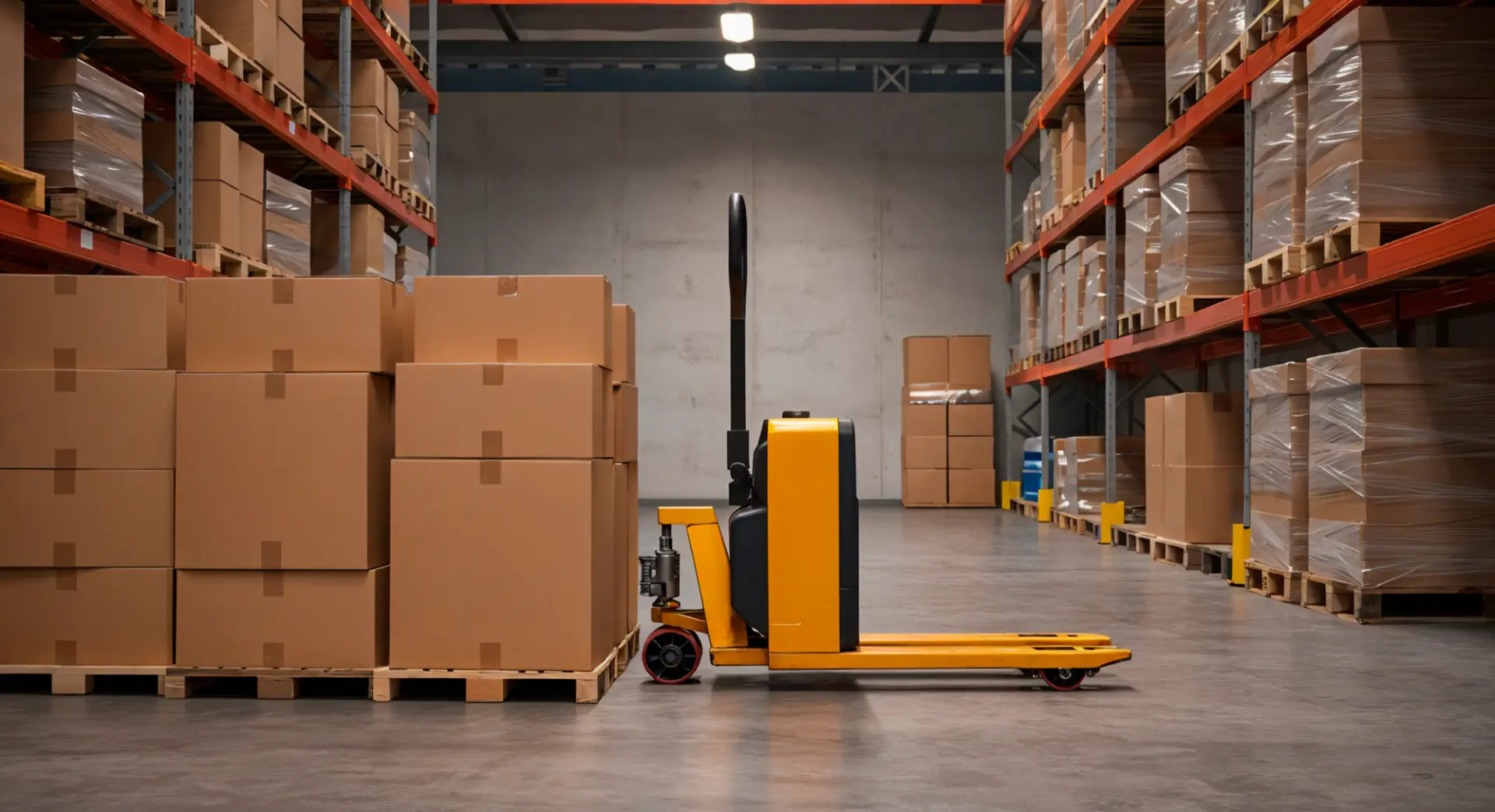
Packaging demand grows alongside food, FMCG, pharmaceutical and industrial production. Manufacturing closer to customers can improve supply responsiveness, while product choice depends on material availability, performance requirements, recycling infrastructure and applicable regulations.
Ideal for: Packaging manufacturers, converters, label producers and suppliers serving consumer and industrial markets.
Relevant locations: Rwanda | Chad
Relevant opportunities: Packaging | Paper & Pulp
Explore Packaging3.14 Pharmaceuticals

Pharmaceutical manufacturing creates opportunities to supply medicines and healthcare products closer to African markets. Potential entry points range from finished-dose manufacturing and packaging to selected ingredients and supporting production services, subject to technical requirements and regulatory approvals.
Ideal for: Pharmaceutical manufacturers, contract manufacturers, packaging suppliers and businesses serving healthcare supply chains.
Relevant locations: Rwanda | Nigeria | Ghana | Kenya | Côte d'Ivoire | Benin | Chad | Democratic Republic of Congo
Relevant opportunities: API & Medicines | Pharmaceutical
Explore Pharmaceuticals3.15 Renewable Energy
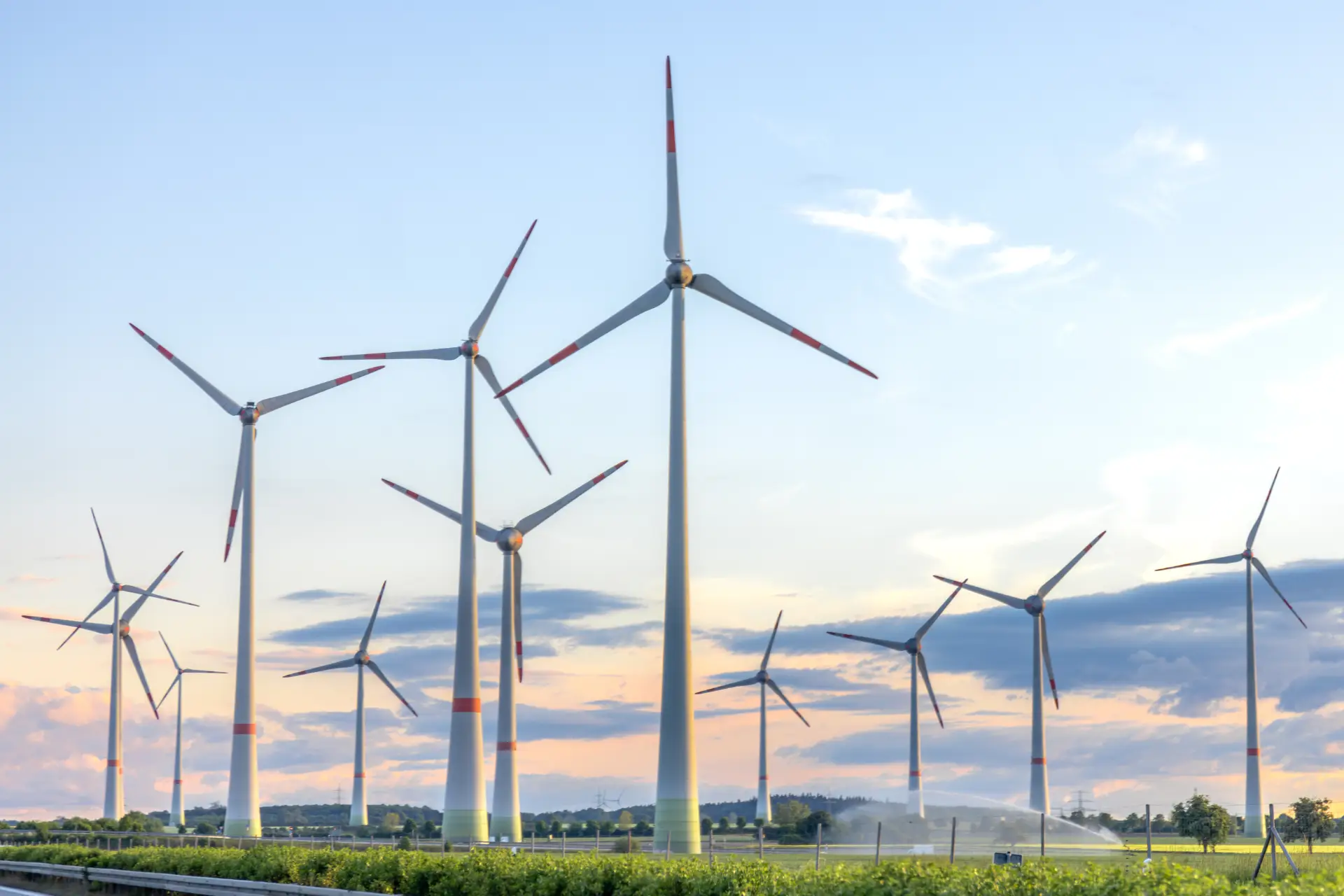
Energy availability is fundamental to industrial development, while renewable resources create opportunities in generation, equipment and related industrial applications. Investment can include energy projects that support industrial users as well as manufacturing components and systems.
Ideal for: Renewable-energy developers, equipment manufacturers, component suppliers and businesses providing industrial energy solutions.
Relevant locations: Nigeria | Chad
Relevant opportunities: Switchgear and Electrical Materials
Explore Renewable Energy3.16 Textiles
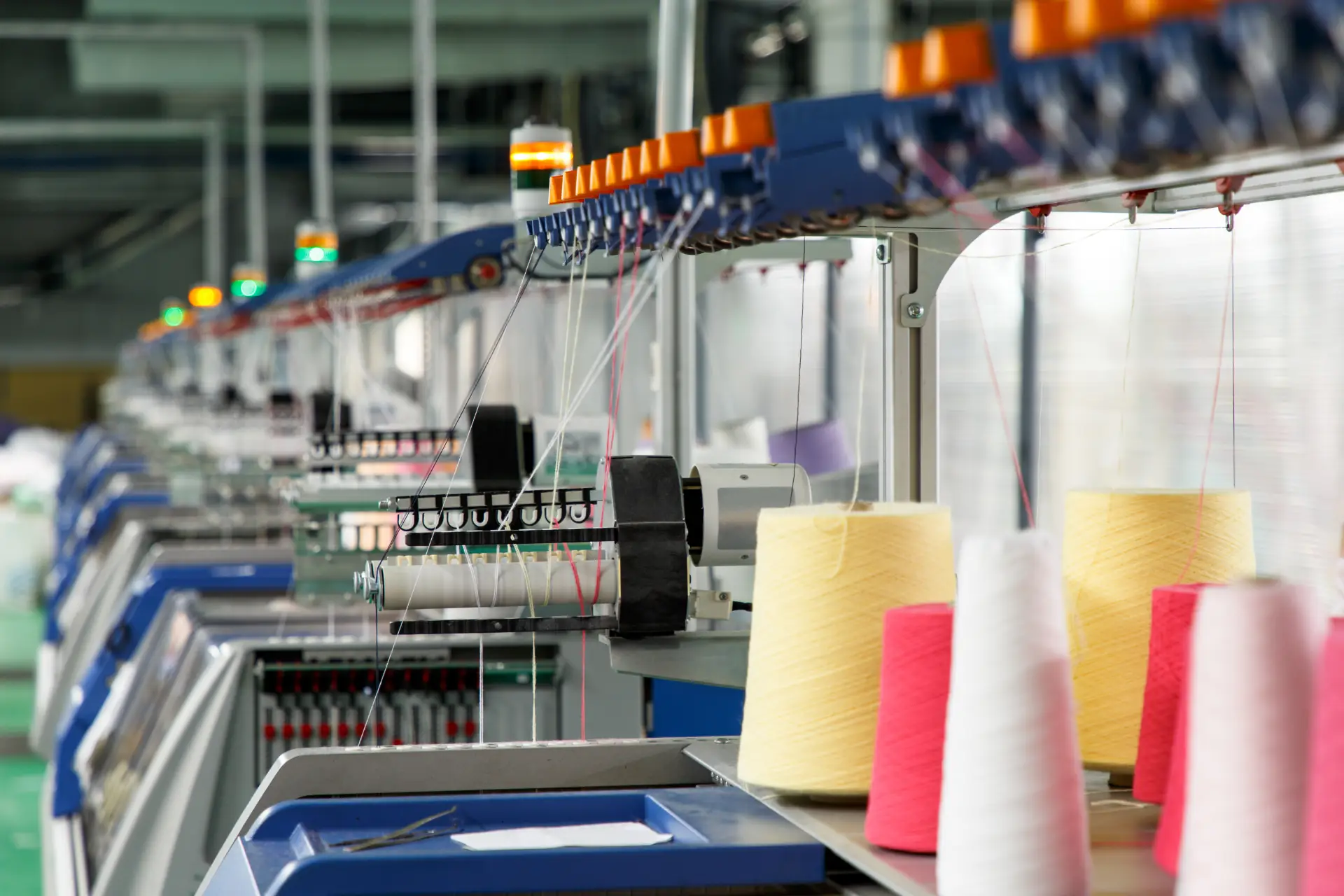
Textile manufacturing can connect cotton and other fibres to yarn, fabric, finishing and finished garments. The right investment point depends on raw-material availability, workforce skills, utilities, water treatment, buyer requirements and access to target markets.
Ideal for: Spinning mills, knitting mills, fabric processors, dyeing and finishing units, garment manufacturers and textile exporters.
Relevant locations: Nigeria | Kenya | Côte d'Ivoire | Togo | Benin | Chad
Relevant opportunities: Apparel Manufacturing | Fabric | Garmenting
Explore Textiles3.17 Timber & Wood Processing
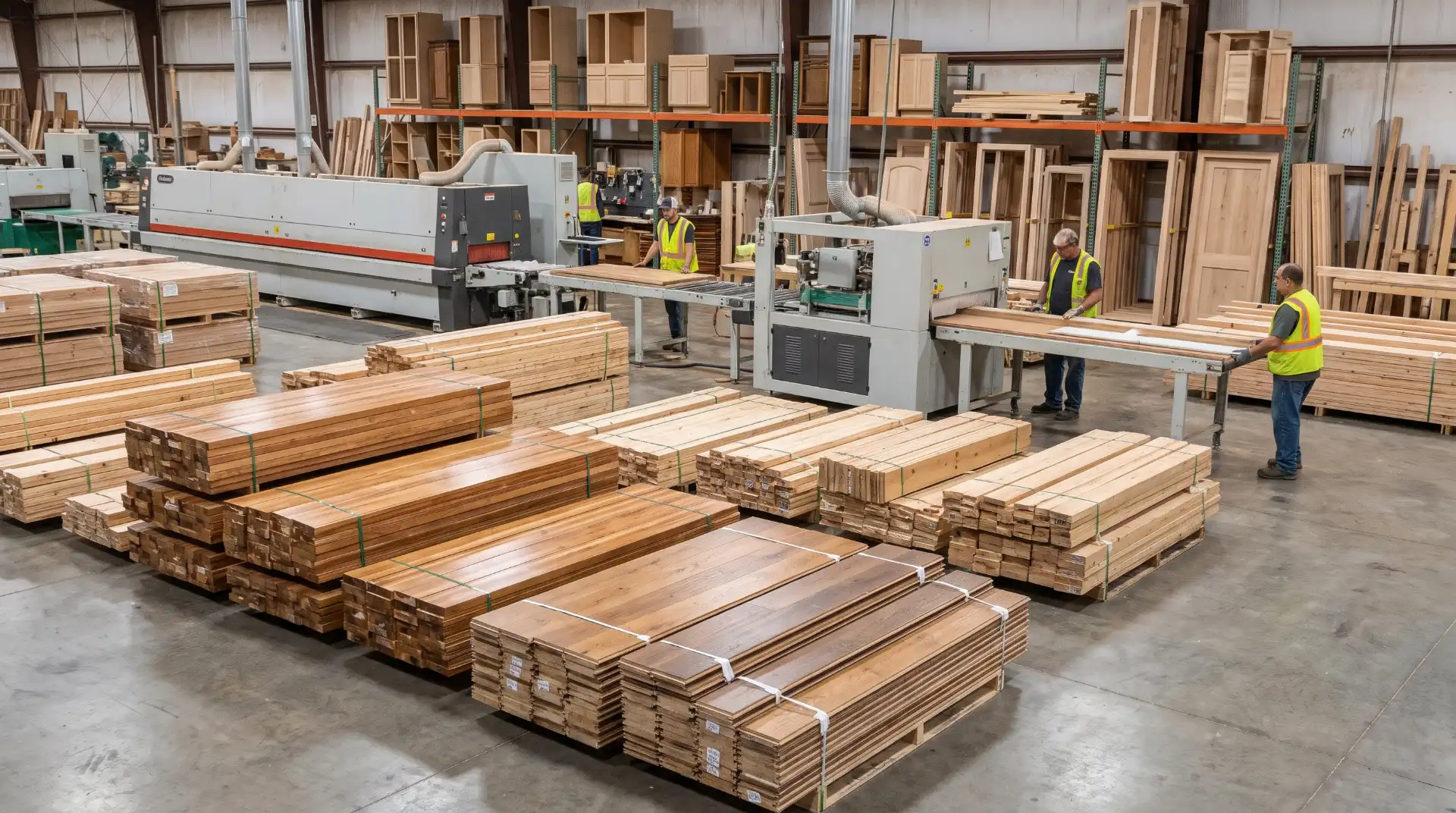
Timber-producing markets offer opportunities to move beyond primary processing into higher-value wood products. Investment potential ranges from veneer and plywood to engineered panels, furniture components and finished products.
Ideal for: Timber processors, panel manufacturers, furniture-component producers and wood-product exporters.
Relevant locations: Côte d'Ivoire | Rwanda | Republic of Congo | Democratic Republic of Congo | Gabon
Relevant opportunities: Paper & Pulp | Plywood | Sawn Wood | Veneer | Furniture | MDF
Explore Timber & Wood Processing3.18 Waste Recycling
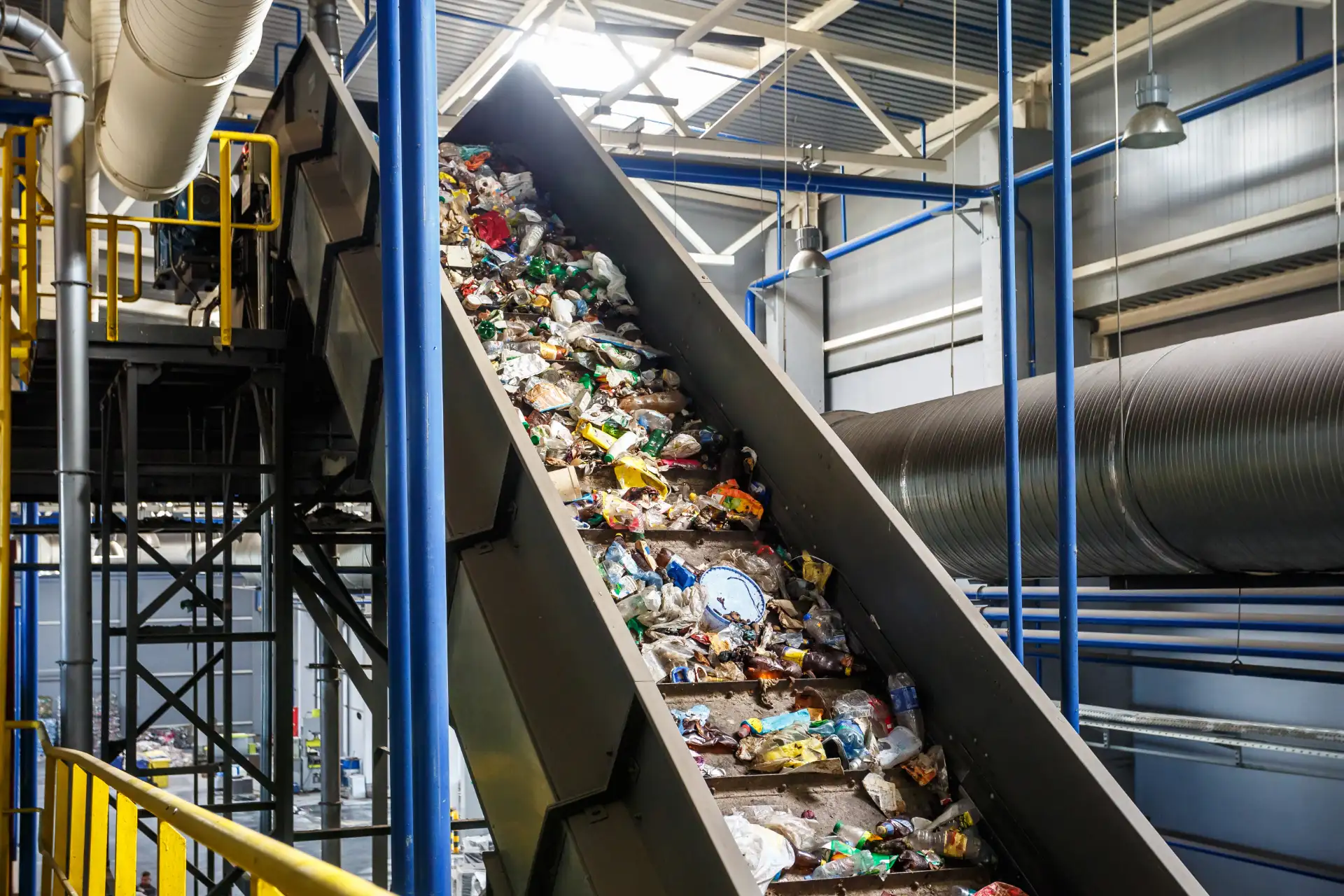
Growing urban and industrial activity creates opportunities to recover materials and turn waste streams into inputs for manufacturing. Commercial viability depends on collection systems, material quality, processing costs, regulations and reliable buyers for recovered materials.
Ideal for: Recycling operators, materials processors, packaging manufacturers and businesses using recycled feedstock.
Relevant locations: Nigeria | Togo | Republic of Congo | Rwanda | Benin | Chad | Democratic Republic of Congo | Gabon
Relevant opportunities: Plastic recycling | Metal recycling | Waste Management
Explore Waste Recycling4. Building the Right Operating Base
A viable investment needs more than market demand. Manufacturers also need reliable utilities, logistics, suitable land, a skilled workforce and access to supporting industries.
Industrial zones can bring several of these requirements together, helping investors assess the infrastructure and services available for establishing and scaling operations.
We map 12 industrial zones and investment platforms across its investment destinations.
4.1 Bugesera Special Economic Zone (BSEZ) - Rwanda
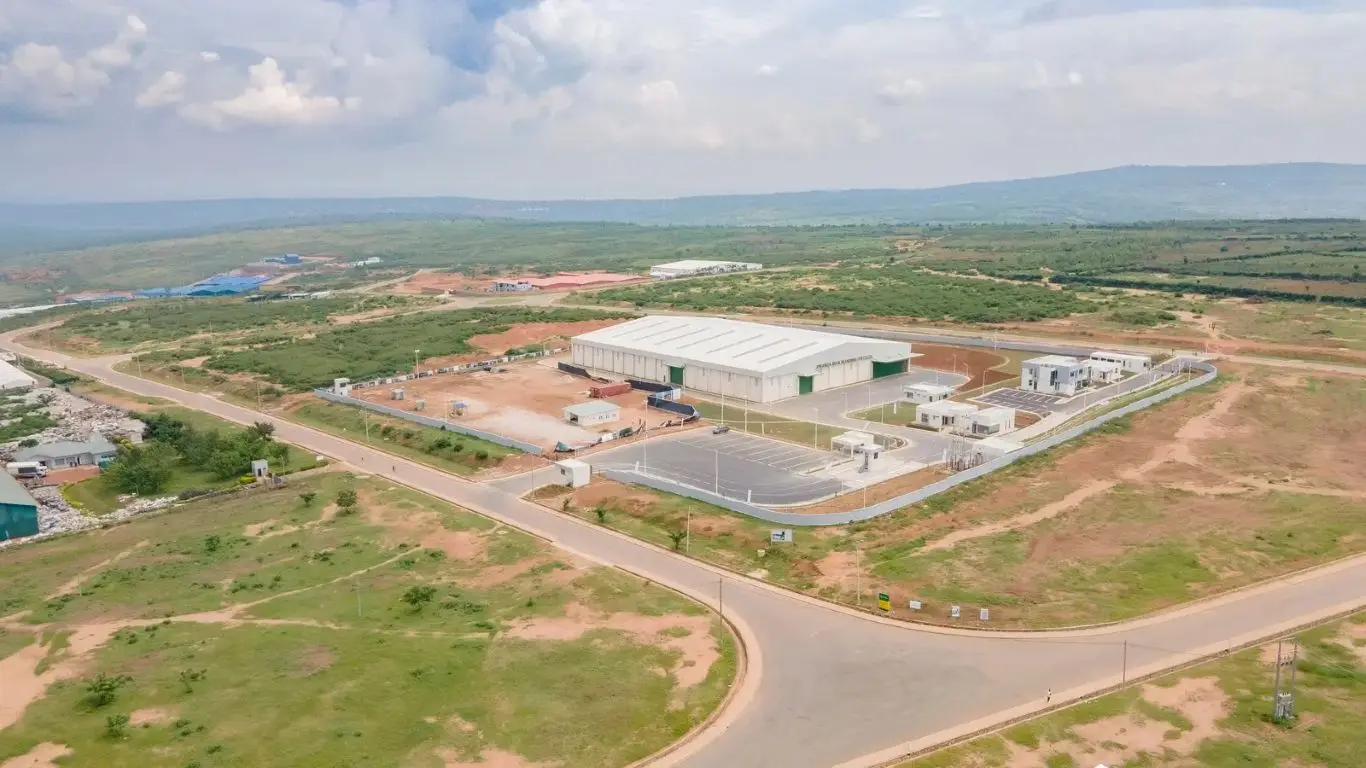
BSEZ forms part of Rwanda’s industrial-development strategy, providing a platform for manufacturing and processing businesses. Relevant sectors include agro-processing, pharmaceuticals, packaging, construction materials and specialised light manufacturing.
Core sectors: Pharmaceuticals | Agro processing | Packaging | Construction materials | Waste Recycling
Relevant opportunities: API & Medicines | Meat processing | Helmet Manufacturing | Glass Manufacturing | Cassava | Poultry Farming
Explore BSEZ4.2 Gabon Special Economic Zone (GSEZ) - Gabon
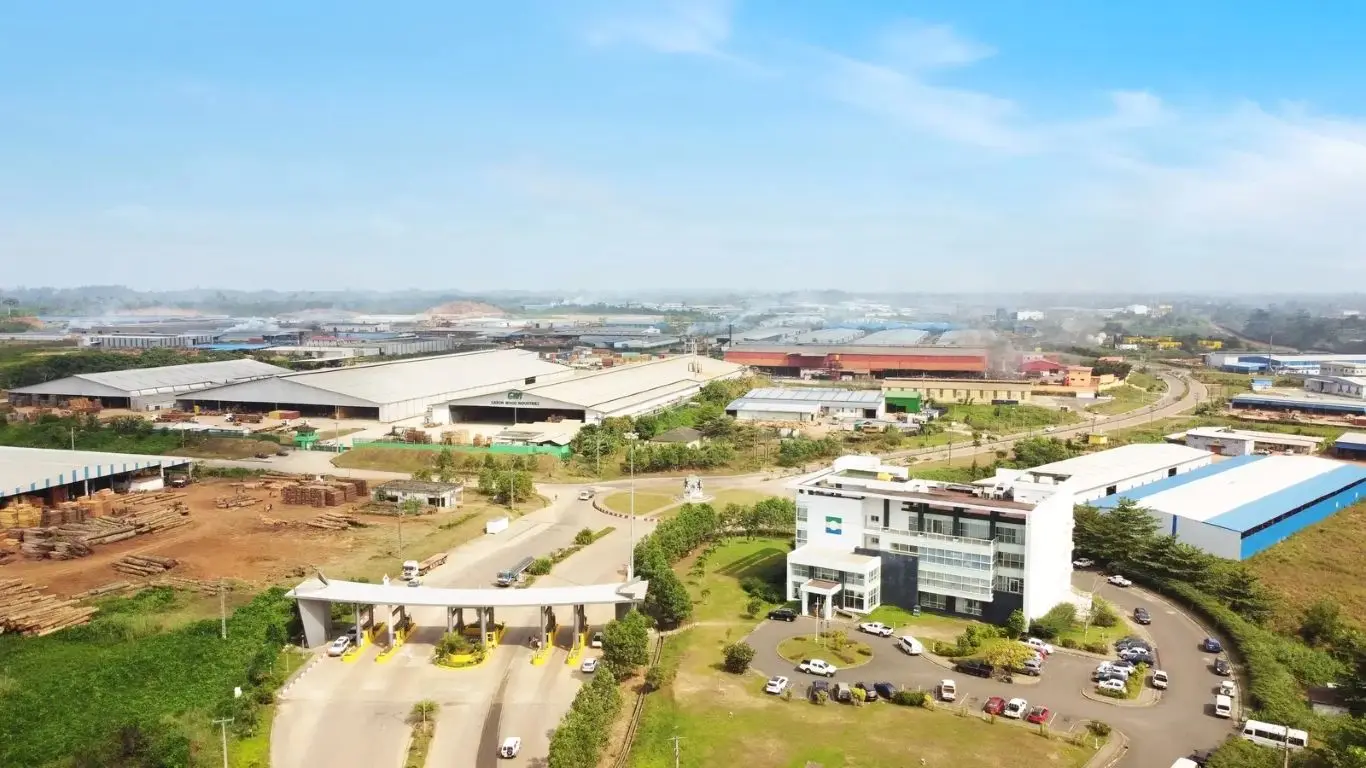
GSEZ is an established, multi-sector industrial zone with a significant wood-processing cluster. Its industrial infrastructure and logistics are relevant to businesses looking to process timber and develop higher-value wood products.
Core sectors: Timber and wood processing | Waste Recycling | Metal Processing & Refining | Agro Processing
Relevant opportunities: Veneer | Plywood | Palm Oil | Furniture | Sawn Wood
Explore GSEZ4.3 Glo-Djigbé Industrial Zone (GDIZ) - Benin
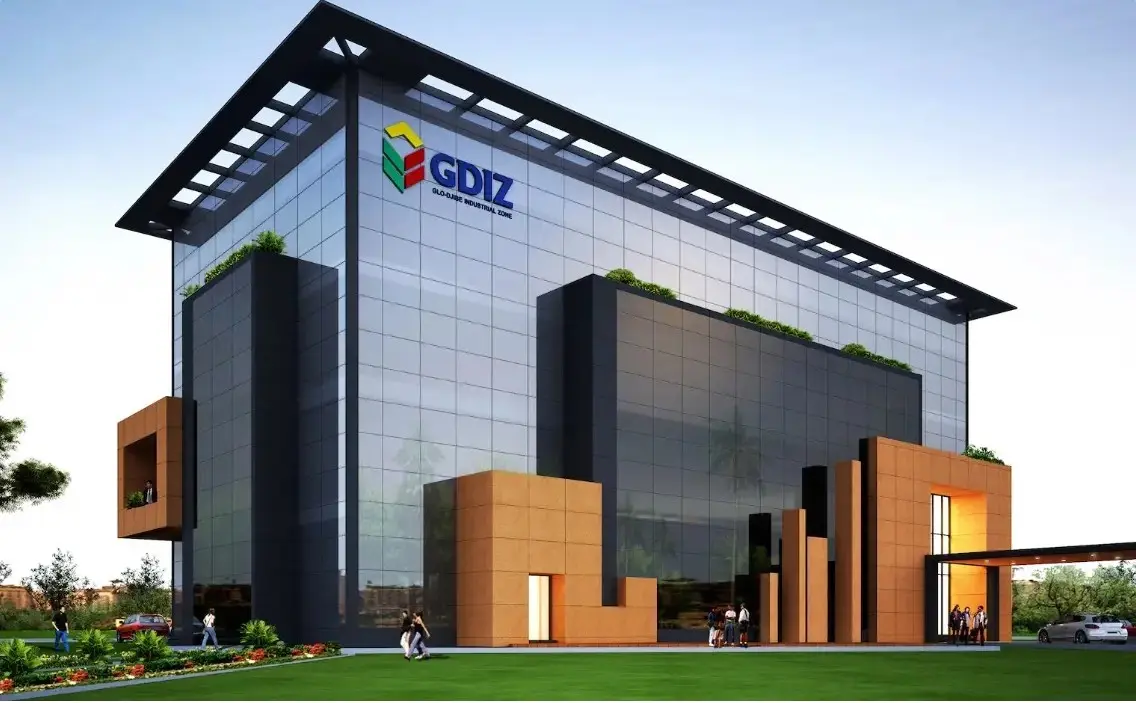
GDIZ connects Benin’s agricultural resources with industrial processing and manufacturing. Its textile ecosystem includes activities across the cotton-to-garment value chain, alongside opportunities in cashew processing, cosmetics, packaging and wood products.
Core sectors: Textiles | Agro processing | Waste Recycling | Construction Materials | Pharmaceuticals
Relevant opportunities: Cotton | Pineapple | Fruit Processing | Cassava | Soya Bean
Explore GDIZ4.4 Industrial Platform Remo Free Zone (IPR) - Nigeria

IPR is being developed as an industrial platform within Nigeria’s large domestic market. Its relevance to investors will depend on the facilities, utilities, services and sector opportunities available as the project progresses.
Core sectors: Construction Materials | Metal Processing & Refining | Waste Recycling | Automotive & Spares | Agro processing
Relevant opportunities: Groundnut | Soya Bean | Palm Oil | Cassava | Sesame | Ginger
Explore IPR4.5 Plateforme Industrielle d’Adétikopé (PIA) - Togo
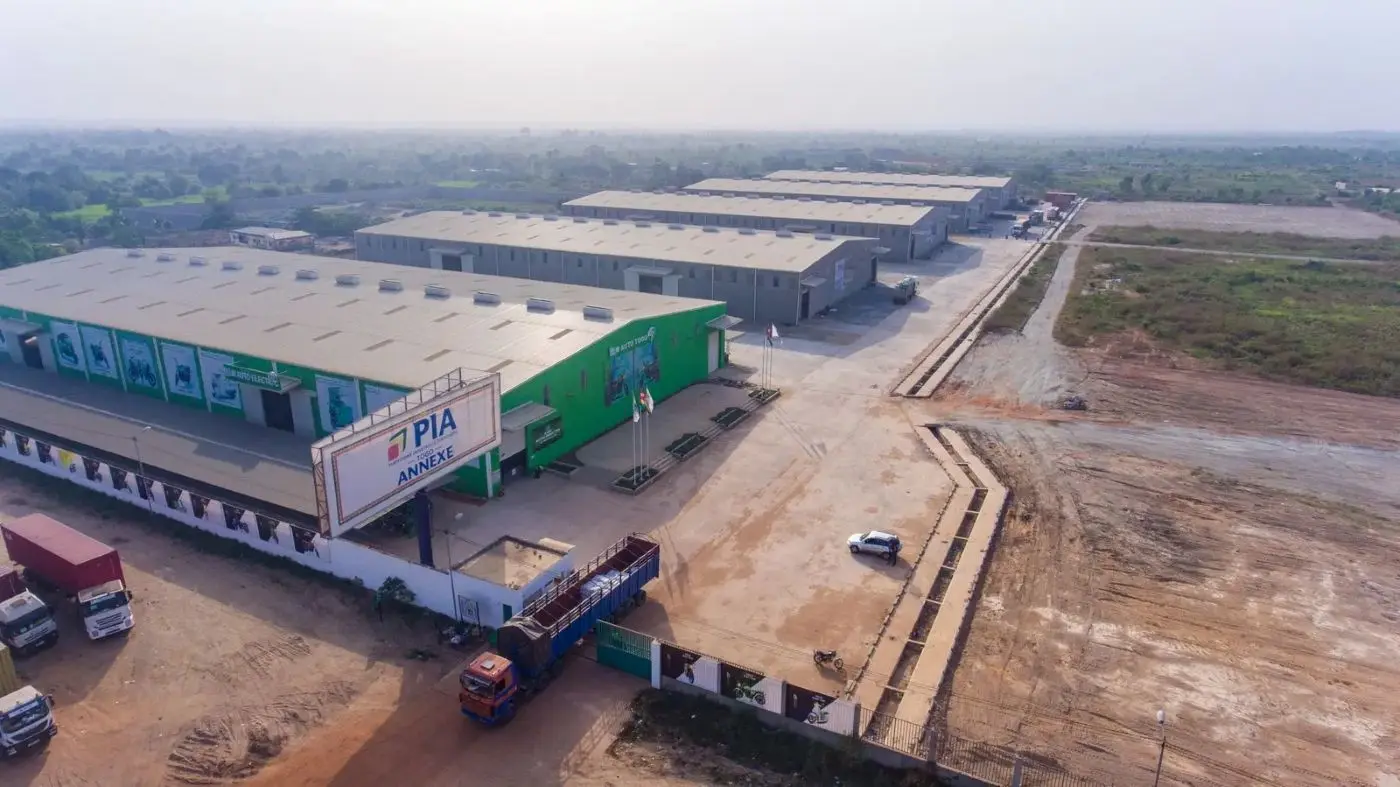
PIA combines industrial infrastructure with logistics, storage and manufacturing facilities. Its business focus includes agro-processing, textiles and garments, cashew, soybean, packaging, recycling and other manufacturing activities.
Core sectors: Agro-processing | Textiles | Waste Recycling | Automotive & Spares | Metal Processing & Refining
Relevant opportunities: Cotton | Fruit processing | Helmet Manufacturing
Explore PIA4.6 Plateforme Économique Industrielle d’Abidjan (PEIA) - Côte d’Ivoire

The industrial platform is intended to support processing and manufacturing linked to Côte d’Ivoire’s agricultural resources and broader economy. Its profile should be updated with the latest confirmed information on site development, utilities and investor access.
Core sectors: Construction Materials | Automotive & Spares | Pharmaceuticals | Consumer Electronics | Textiles | Agro-processing
Relevant opportunities: Rubber processing | Palm Oil | Garmenting | Glass Manufacturing | Cashew | Fruit processing | Cocoa | Ceramics | Cement
Explore PEIA4.7 Plateformes Industrielles du Congo (PIC) - Republic of Congo

PIC is intended to support industrial development and value addition around the Republic of Congo’s resource base. The investment case depends on the specific zone, its infrastructure, current operating status and the activities approved for investors.
Core sectors: Oil & Gas | Construction Materials | Metal Processing & Refining | Waste Recycling | FMCG
Relevant opportunities: Copper Wire And Cables | Copper Cathodes | Metal Recycling | Plywood | Furniture | Veneer | Glass Manufacturing
Explore PIC4.8 Tema Integrated Industrial Park - Ghana
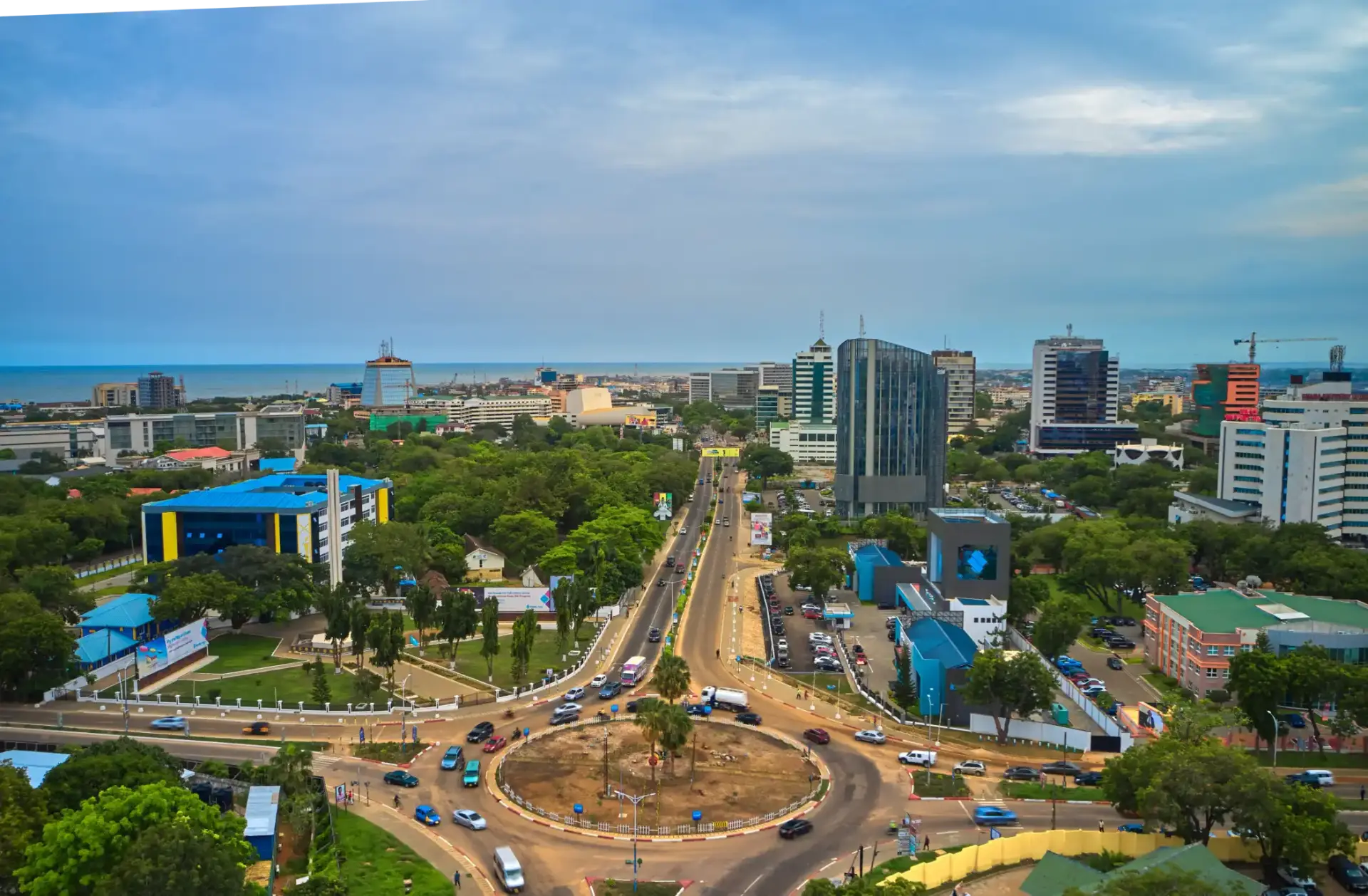
Tema’s industrial environment benefits from proximity to Ghana’s commercial and port infrastructure. For manufacturers, this makes logistics, access to inputs and the ability to serve domestic and regional customers important considerations.
Core sectors: Chemicals | Pharmaceuticals | Metal Processing & Refining | Automotive & Spares
Relevant opportunities: Metal Processing & Refining | Palm Oil
Explore Tema Integrated Industrial Park4.9 Vipingo Special Economic Zone - Kenya

Vipingo is part of Kenya’s wider industrial-development landscape and may be relevant to businesses assessing manufacturing and distribution in East Africa. Investors should confirm current site development, utilities, plot availability and the specific activities being supported.
Core sectors: Agro processing | Pharmaceuticals | Textiles | FMCG | Metal Processing & Refining | Construction Materials | Automotive & Spares
Relevant opportunities: Cassava | Cotton | Groundnut | Meat processing | Swan wood | Soya Bean
Explore Vipingo SEZ4.10 Zone Économique Spéciale de Kin-Malebo (ZESKM) - Democratic Republic of Congo
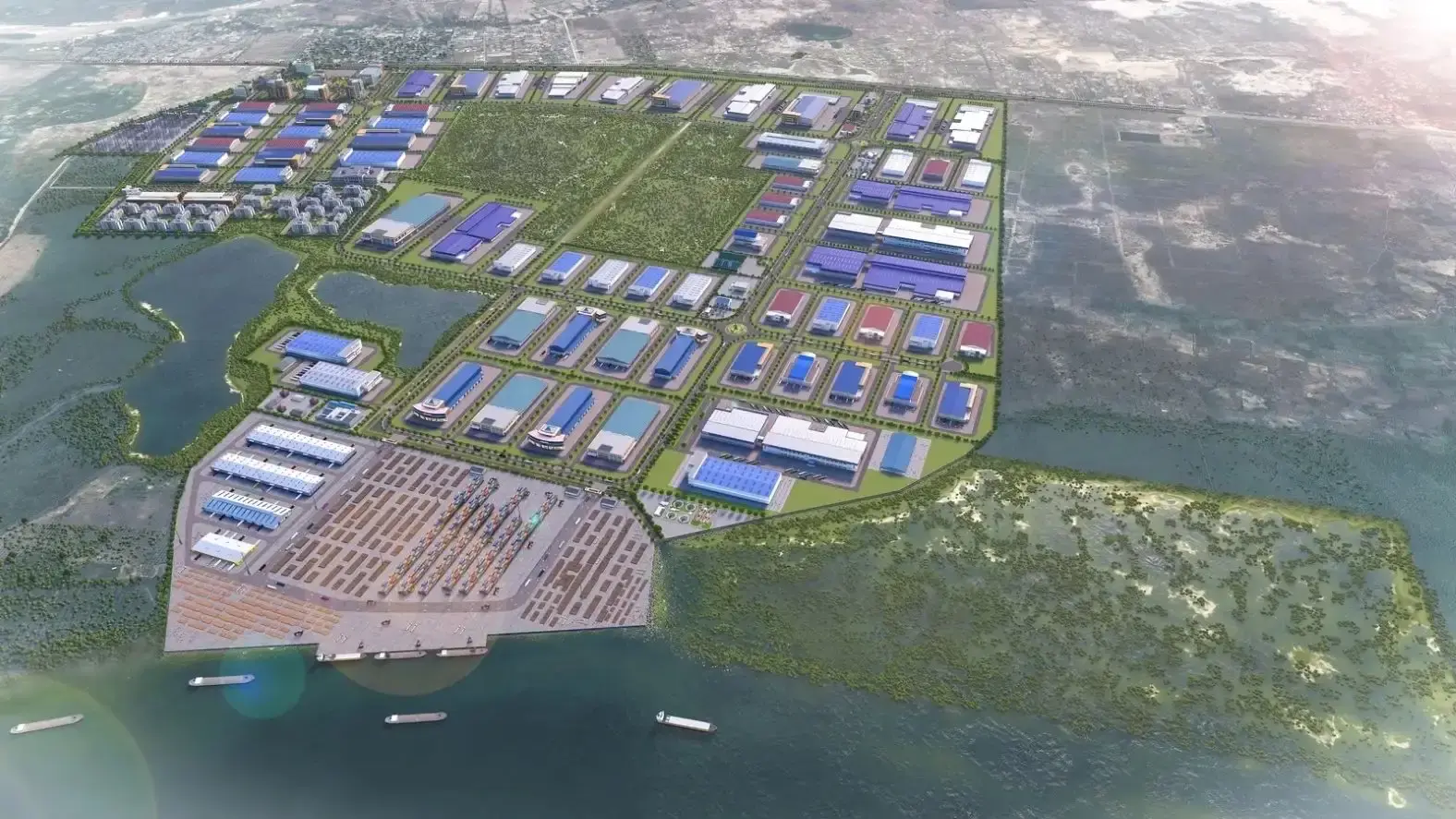
ZESKM is associated with the development of manufacturing and processing capacity in the Democratic Republic of Congo. Its relevance to investors will depend on confirmed facilities, operational readiness, access to utilities and the current range of supported activities.
Core sectors: Timber and wood processing | Pharmaceuticals | Consumer Electronics | FMCG | Waste Recycling
Relevant opportunities: Veneer
Explore ZESKM4.11 Zone Industrielle de N’Djamena (ZINDJAM) - Chad
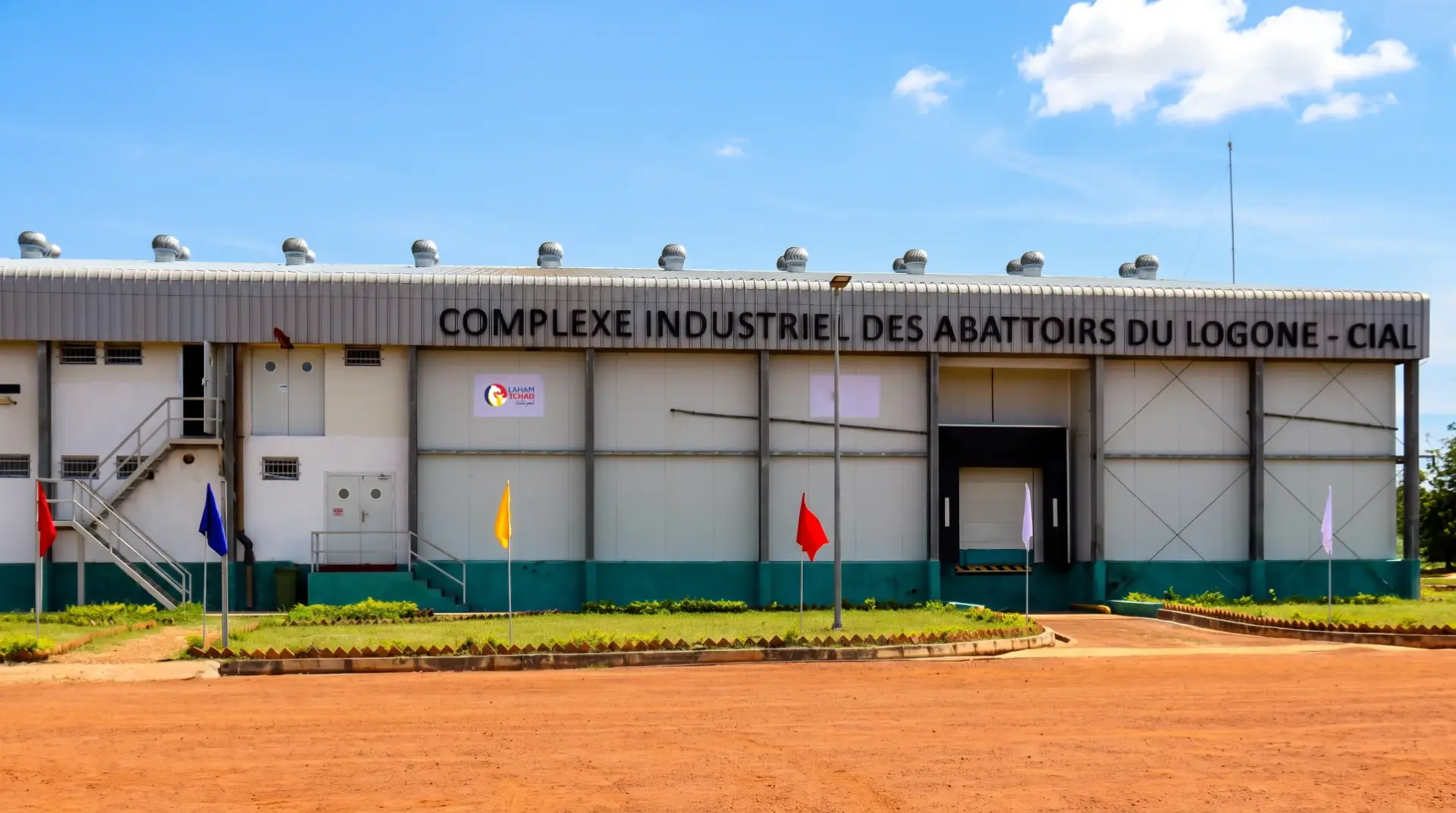
ZINDJAM is intended to support the development of processing and manufacturing capacity in Chad. It is relevant to investors assessing opportunities around local agricultural resources, livestock and other industrial activities.
Core sectors: Agro processing
Relevant opportunities: Meat processing | Cotton | Natron Processing
Explore ZINDJAM4.12 Zone Industrielle du Logone (ZILOG) - Chad
ZILOG is part of the wider effort to develop industrial activity and value addition in Chad. Its profile should connect the zone’s current development status and facilities to the agricultural and livestock opportunities in the surrounding region.
Core sectors: Agro processing
Relevant opportunities: Meat processing | Cotton | Natron Processing
Explore ZILOG5. Connecting to the Right Markets
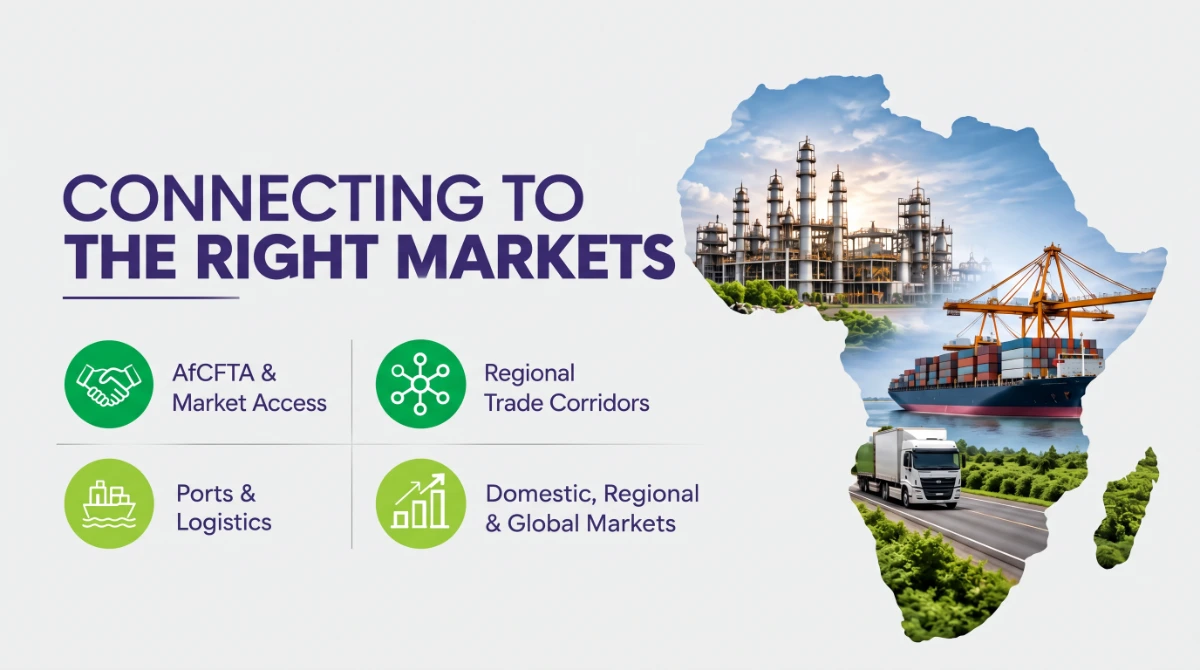
For a production investment, market access is part of the location decision. A facility may be designed to serve domestic customers, supply neighbouring countries or reach international buyers. Each model creates different requirements for logistics, pricing, compliance and distribution.
5.1 AfCFTA & Regional Market Access
Accessing a More Integrated African Market
The African Continental Free Trade Area (AfCFTA) aims to reduce trade barriers and support a more integrated continental market. For manufacturers, this creates a reason to assess opportunities beyond a single national market.
Actual market access depends on the product, applicable rules of origin, tariff schedules, customs procedures and other requirements. Investors should establish these conditions before building a production strategy around preferential access.
5.2 Regional Trade Corridors
Connecting Production to Regional Markets
Regional economic communities and transport corridors influence how inputs and finished goods move across borders.
West African businesses may assess opportunities across ECOWAS markets, while East African manufacturers may look at connections within the East African Community. Other regional networks offer additional routes to customers and suppliers.
The commercial question is whether the intended product can reach those markets competitively, taking transport costs, border processes and delivery times into account.
5.3 Domestic, Regional or Global?
Choosing the Markets You Want to Serve
Different production strategies require different forms of market access.
- Domestic production: Prioritise customer demand, distribution networks and competition with existing supply.
- Regional production: Assess cross-border logistics, applicable trade rules and demand across neighbouring markets.
- Export-oriented production: Evaluate international buyer requirements, shipping costs, product standards and export-market compliance.
The location decision should follow the intended market strategy, rather than precede it.
Explore Market Access6. Seven steps to consider before investing

Identifying an attractive market or sector is only the beginning. The next step is to test whether the opportunity can support a viable business and establish what is required to put it into operation.
Step 1. Define the Investment Thesis
Start with the business objective. Decide whether the investment is intended to serve a domestic market, process local resources, establish regional production or manufacture for export.
Define the product, intended customer, production model and commercial rationale before selecting a location.
Step 2. Identify the Market
Establish who will buy the product and what demand the business is intended to serve. Assess customer requirements, competing products, pricing, distribution and the cost of reaching the target market.
For regional or export strategies, include trade conditions, freight costs and applicable product requirements in the assessment.
Step 3. Select the Sector & Value Chain
Identify where the commercial opportunity sits within the value chain. It may involve processing raw materials, manufacturing finished goods, producing components or supplying an established industry.
Assess input availability, technology requirements, production costs, workforce needs and the market for the intended output.
Step 4. Evaluate Locations & Industrial Platforms
Compare locations against the practical requirements of the investment. Consider raw materials, customers, transport, utilities, labour, suppliers and industrial infrastructure together.
Where an industrial zone is being considered, confirm its operating status, plot availability, utilities, services, access conditions and any applicable eligibility requirements.
Step 5. Assess the Investment Environment
Establish what is required to register, build and operate the business. Depending on the country and activity, this may include:
- Company registration and investment approvals.
- Land acquisition or industrial-plot allocation.
- Construction, environmental and sector-specific permits.
- Import and export licences, customs procedures and applicable product standards.
- Workforce requirements, utilities and operating costs.
- Applicable tax treatment, incentives and eligibility conditions.
Verify the current requirements with the relevant investment agency and other authorities. Do not assume that incentives or approvals automatically apply to every investor or project.
Step 6. Structure the Investment
Develop the project’s financial and operating plan. Determine capital expenditure, working-capital needs, financing, ownership structure, potential local partners and implementation milestones.
For larger projects, this may also involve technical feasibility studies, environmental and social assessments, supplier agreements, offtake arrangements and detailed financial modelling.
Step 7. Build, Operate & Scale
Translate the plan into an executable project. Secure the required approvals, finalise the site and utilities, establish the supply chain, commission the facility and prepare for commercial operations.
Once the business is operating, assess opportunities to increase capacity, develop additional products, deepen local value addition or expand into new markets.
Connect with an Investment SpecialistTurn your investment plans into a clear next step
Africa offers different manufacturing opportunities across markets, sectors and industrial ecosystems. The right starting point is to identify the business you want to build, determine where it can operate competitively and establish what is required to move from assessment to execution.
The AFI Investor Kit can help you explore relevant destinations, industrial platforms and investment opportunities as you develop your next steps.
Take the Next Step in Your Investment Journey
¹ Source: African Development Bank, Africa Industrialisation Index
2025.
² Source: UN Trade and Development, World Investment Report 2025. FDI
stock represents accumulated investment, not investment made in a
single year.
³ Source: UN Trade and Development, Foreign Direct Investment Trends
in Emerging Markets: A Focus on Africa (2025).