









































































Industry Overview

→ Why should investors consider investing in Togo?
Togo offers investment opportunities across agro-processing, textiles, cotton, metals processing, automotive components, and waste recycling. Its strategic location in West Africa, access to the Port of Lomé, growing workforce, and government efforts to attract foreign investment make it a potential base for businesses targeting domestic and regional markets.
→ What are the key industries and business opportunities in Togo?
Key sectors include agro-processing, textiles, metals processing and refining, automotive and spare parts, and waste recycling. Specific opportunities include cotton processing, fruit processing, helmet manufacturing, and value-added phosphate processing. Investors can assess these sectors based on market demand, raw material availability, and export potential.
Africa Industry Insights
→ What are the most promising sectors for investment in Togo?
Promising sectors include textiles and garment manufacturing, agro-processing, metals processing, automotive components, and waste recycling. Togo's cotton production supports opportunities across the textile value chain, while its phosphate resources create potential for mineral processing and value addition. The country's developing technology sector may also offer opportunities for relevant businesses.
→ What opportunities exist for textile and garment manufacturing in Togo?
Togo's cotton production provides a foundation for investment across the textile value chain, including cotton processing, yarn and fabric production, dyeing, and garment manufacturing. Investors can explore opportunities to add value to local raw materials and serve domestic and export markets, subject to commercial feasibility and market access requirements.
Industrial Zones & Setup Benefits
→ What are the benefits of setting up a business in Togo's PIA industrial zone?
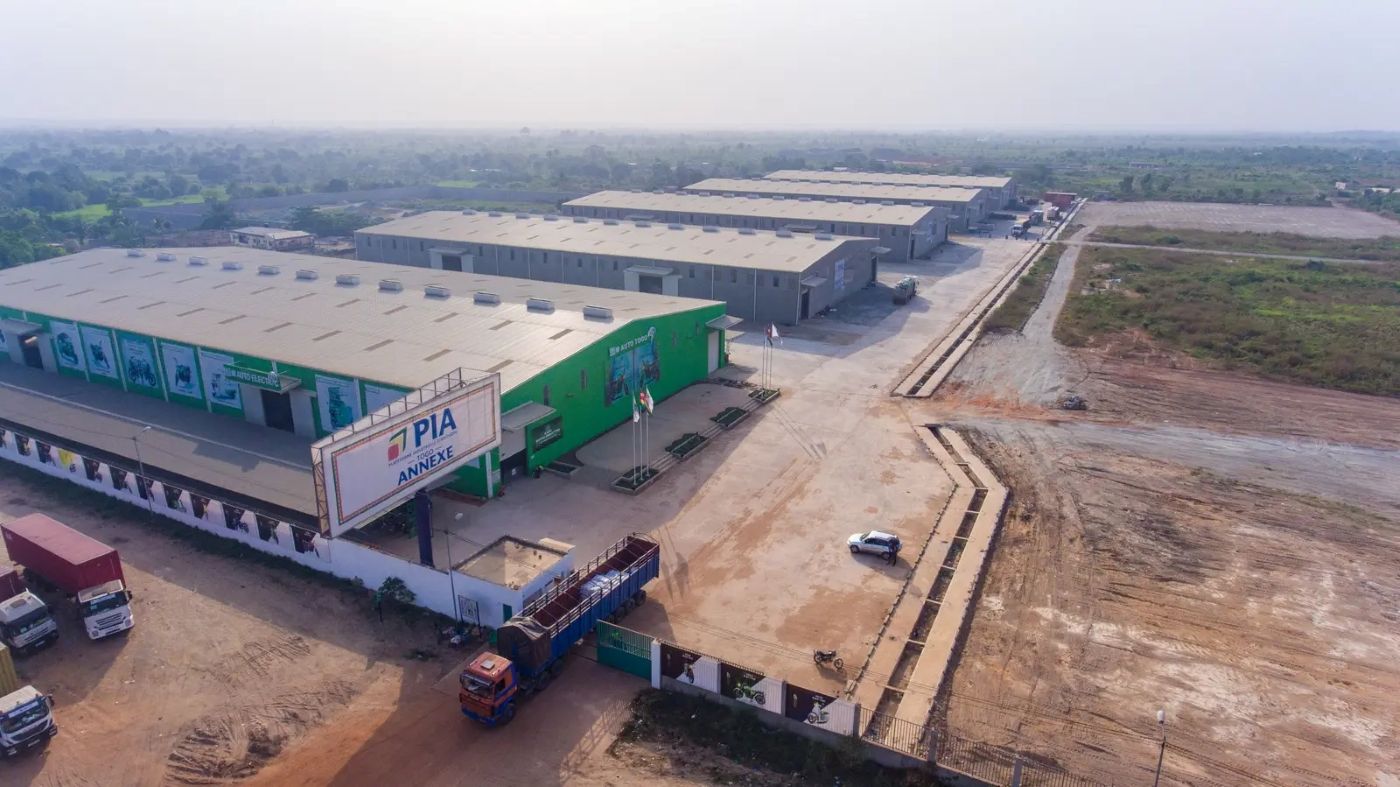
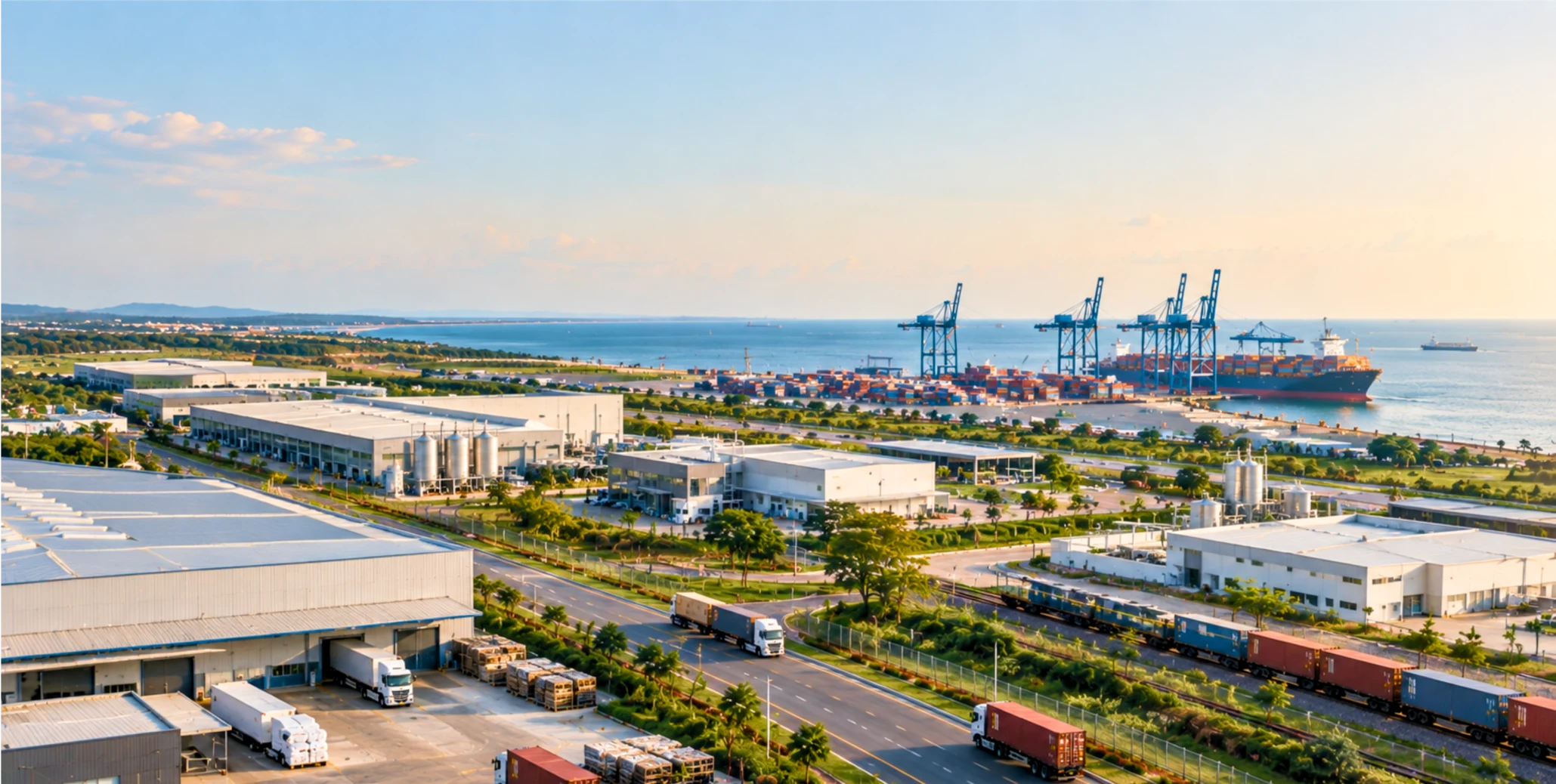
The Plateforme Industrielle d’Adétikopé (PIA) is a vertically integrated industrial zone designed to support storage, processing, manufacturing, and exports. Its location along the Lomé–Burkina Faso industrial corridor provides access to the Port of Lomé and regional markets, making it relevant for businesses seeking to establish production and export-oriented operations in West Africa.
→ What investment incentives are available to foreign investors in Togo?
Togo's government promotes foreign investment through investment incentives and efforts to streamline administrative procedures. The specific incentives available depend on the project, sector, and applicable regulations. Investors should verify eligibility, tax treatment, and other conditions with the relevant authorities before committing capital.
→ How can foreign investors set up a manufacturing business in Togo?
Foreign investors should begin by identifying a suitable sector, evaluating market demand, and assessing access to raw materials, labour, transport, and utilities. They should also confirm registration and licensing requirements, applicable investment incentives, and the suitability of locations such as PIA for their operational needs.
Geo Comparision
→ How does Togo's strategic location benefit businesses expanding into West Africa?
Togo borders Ghana and Benin and offers access to regional markets through its coastal location and the Port of Lomé. Its position along the Lomé–Burkina Faso industrial corridor also supports connections to landlocked markets in West Africa, making it relevant for businesses involved in manufacturing, distribution, and regional trade.
→ How does the Port of Lomé support manufacturing and export businesses in Togo?
The Port of Lomé provides maritime connectivity for importing machinery and raw materials and exporting finished goods. Combined with road links and regional transport corridors, it supports supply chains for manufacturers and businesses targeting markets in West Africa and beyond.
Profitability & Value Chain Opportunities
→ What are the key manufacturing opportunities in Togo?
Manufacturing opportunities include textile and garment production, cotton processing, fruit processing, automotive spare parts, helmet manufacturing, metals processing, and phosphate value addition. Businesses can evaluate opportunities to process local resources, develop value-added products, and serve regional demand through Togo's trade and logistics connections.
→ What opportunities exist in phosphate processing and value addition in Togo?
Togo's phosphate resources create opportunities to explore mineral processing and downstream value addition. Investors can assess potential projects based on resource access, processing requirements, infrastructure, environmental compliance, and demand for phosphate-derived products.
Market Trends & Demand Evolution
→ What factors are driving investment and industrial development in Togo?
Togo's investment appeal is supported by its strategic location, port connectivity, cotton and phosphate resources, developing workforce, and ongoing infrastructure improvements. Economic diversification, including growth in technology-related initiatives, also creates potential opportunities for businesses looking to establish or expand operations in West Africa.