



Table of Contents:
1. Nigeria’s manufacturing sector now accounts for half of industrial output
2. Ghana is putting $5.5 billion behind production
3. Asian manufacturers are moving closer to African markets
4. Côte d’Ivoire is setting the pace in West Africa
5. Africa’s critical-minerals story is moving further down the value chain
6. Benin and Chad are putting numbers behind the circular economy
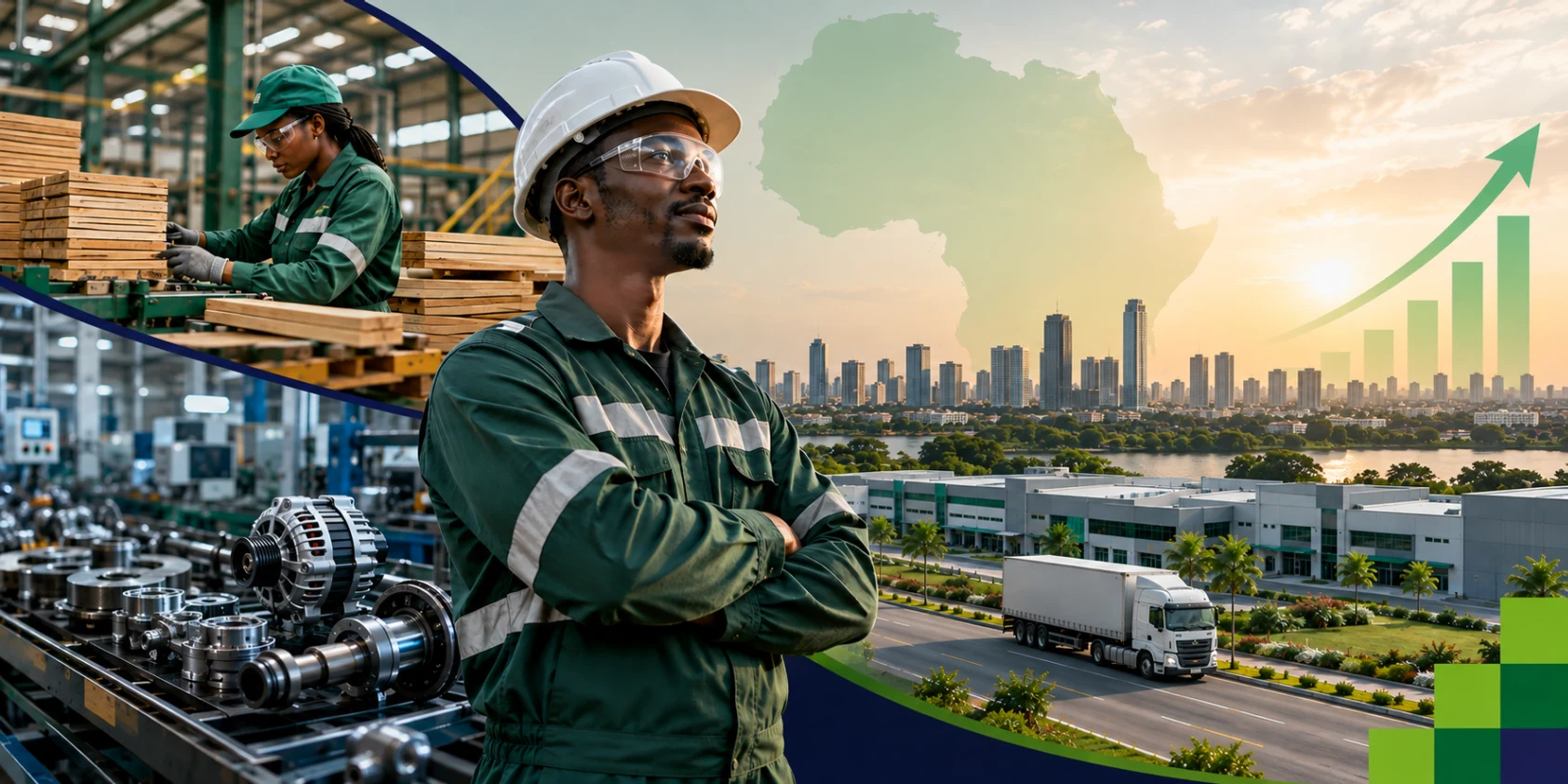
Africa's manufacturing landscape is undergoing a number of significant shifts.
Investment is flowing into new production capacity, global manufacturers are moving closer to African markets, and governments are putting greater focus on processing resources locally and building the infrastructure needed to support industry. From manufacturing and agro-processing to critical minerals and the circular economy, these developments are creating new opportunities across the continent.
Together, they point to growing activity across manufacturing, processing and the industrial ecosystems that support them.
The developments span different markets and industries, but collectively point to growing activity across manufacturing, processing and the industrial ecosystems that support them.
Six developments, in particular, stand out.
Nigeria's manufacturing sector has become the largest contributor to industrial output, with its share rising from 28.2% in 2010 to 50.1% in the first quarter of 2026. Construction and oil & gas followed, accounting for 23.8% and 21.1% respectively in 2025.
The growth in manufacturing's share represents a significant shift in the structure of Nigeria's industrial economy. However, capacity utilisation remains below 60%, highlighting the scope for greater use of existing manufacturing capacity.
Further expansion will depend on several factors beyond demand, including power, transport, logistics, finance, industrial land, storage and access to inputs. These conditions are increasingly important as manufacturers look to increase output and improve operating efficiency.
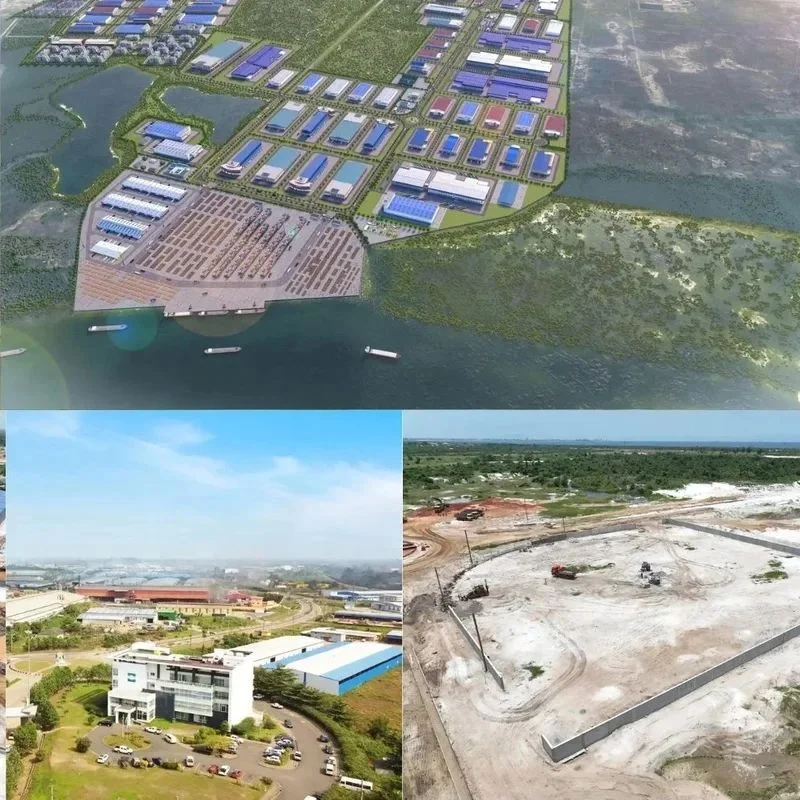
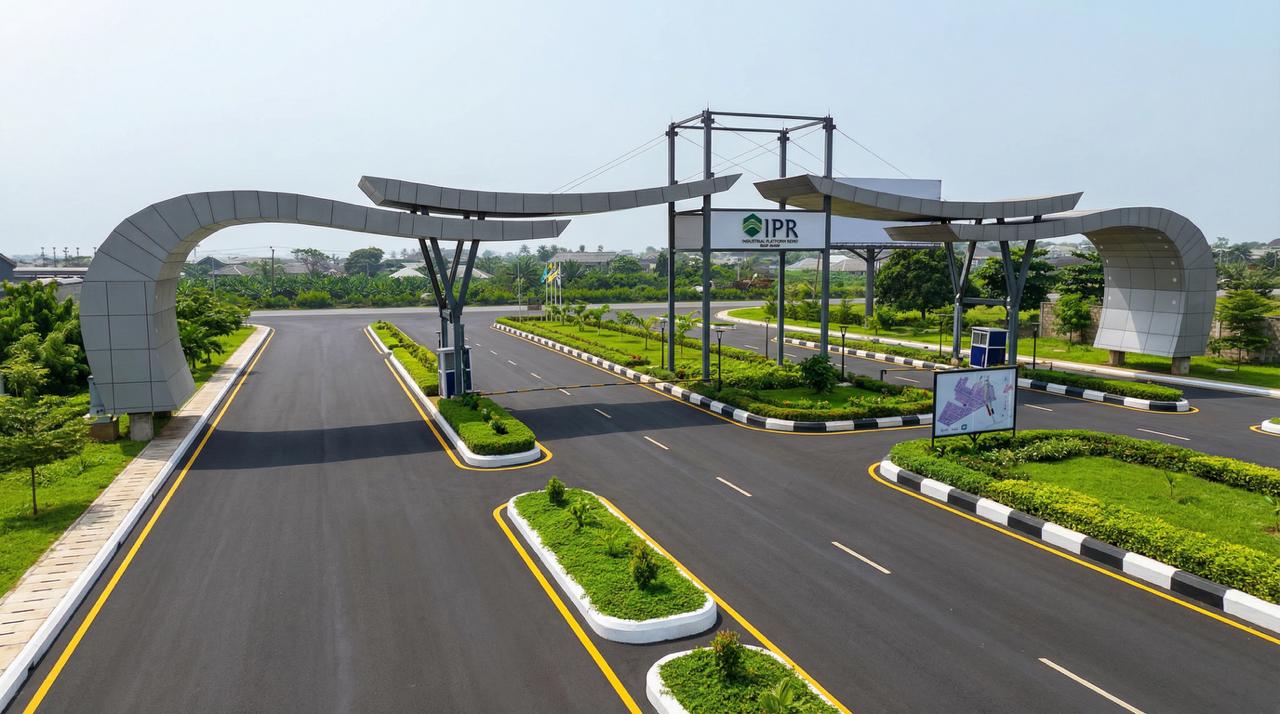
The Industrial Platform Remo Free Zone (IPRFZ) is addressing some of these requirements by making industrial land available to global and local manufacturers at competitive pricing, with dedicated gas-powered electricity supplies to support industrial operations.
Ghana's 24-Hour Economy is developing into a significant programme for increasing production and investment. The initiative has secured US$5.5 billion in investment agreements (Source: Ghana News Agency), with four projects expected to create more than 160,000 direct jobs.
The programme covers manufacturing, agro-processing, healthcare, transportation and retail, with increased production and operating hours at its centre.
The scale of the commitments also brings attention to the infrastructure and supply chains required to support additional production. Longer operating hours can increase requirements for power, warehousing, transport, raw materials and maintenance, while export-oriented production adds further demands around logistics and market access.
The Tema Integrated Industrial Park (TIIP) is supporting this push by providing an execution-ready industrial zone with access to power, gas, water and road infrastructure, close to Tema Port.
Asian manufacturers are increasingly looking to establish production in Africa, moving beyond an export-led model to manufacture closer to the markets they serve. The shift allows manufacturers to tap into Africa’s abundant raw materials, reduce reliance on imports of finished products and create jobs through local production.
This growing interest also reflects the strengthening of Africa’s manufacturing capabilities and industrial ecosystems. As infrastructure, skills, logistics and access to regional markets improve, Central, East and West Africa are becoming increasingly attractive locations for global manufacturers looking to build production capacity on the continent.
The trend signals a broader shift in how Africa participates in global supply chains from primarily importing finished goods to producing more of what its markets consume.
Côte d’Ivoire remains the largest economy in the West African Economic and Monetary Union and recorded 6.5% growth in 2025. This means the country’s economy expanded by 6.5% in real terms over the year, signalling strong overall economic activity and continued momentum.
That momentum is also visible in the industrial sector. Côte d'Ivoire's National Statistics Agency (ANStat) reports a 1.6% year-on-year rise in industrial production volume in the first half of 2026, driven by manufacturing and energy but weighed down by extractive industries. (Source: CapMad)
The development of industrial zones is helping support this growth by providing the infrastructure needed for companies to establish and scale production. Plateforme Économique et Industrielle d’Abidjan (PEIA), developed by Arise IIP, brings industrial land, infrastructure and services together to support manufacturing and value-added activities.
Africa's critical-minerals opportunity is increasingly extending beyond extraction.
A high-level ministerial forum held in July focused on moving critical minerals towards beneficiation and value chains, with greater emphasis on processing and value creation within African markets.
Greater local processing has implications across the wider industrial economy. Processing and refining require reliable power, transport, equipment, technical skills and supporting infrastructure. Downstream manufacturing can create additional demand, while local processing can increase the value captured within producing countries.
The availability of processing capacity, industrial infrastructure, energy, logistics and access to local and international markets will increasingly influence where these value chains can develop competitively.
Circular-economy development is moving from broad policy objectives towards measurable targets.
Chad’s circular-economy roadmap aims to create more than 25,000 green jobs (Source: afdb.org) and reduce non-recycled waste by 40% by 2035. Benin’s 10-year targets include a 25% recycling rate, collection of all municipal waste and 300 circular-economy businesses.
Benin’s Glo-Djigbé Industrial Zone (GDIZ) is also becoming a model other African markets are looking to replicate. Governors from six Nigerian states recently committed to adapt the zone’s approach to revive textiles, strengthen agro-processing and accelerate industrialisation using local agricultural resources as the starting point for greater value addition and job creation.
Africa’s production story is shifting from exporting resources and importing finished goods towards producing, processing and creating more value closer to home.
Three shifts are shaping what comes next
1. More production, closer to the market
Manufacturing is expanding, international companies are establishing local operations, and African markets are building the capacity to produce more of what they consume.
2. More value, further down the chain
From critical minerals and agro-processing to textiles and construction materials, the focus is increasingly on processing local resources into higher-value products — creating jobs and strengthening domestic supply chains.
3. More infrastructure around industry
Production at scale needs more than a factory. It needs power, logistics, industrial land, suppliers, storage, skills and access to markets. SEZs, industrial parks and specialised industrial ecosystems are bringing these pieces together in defined locations.
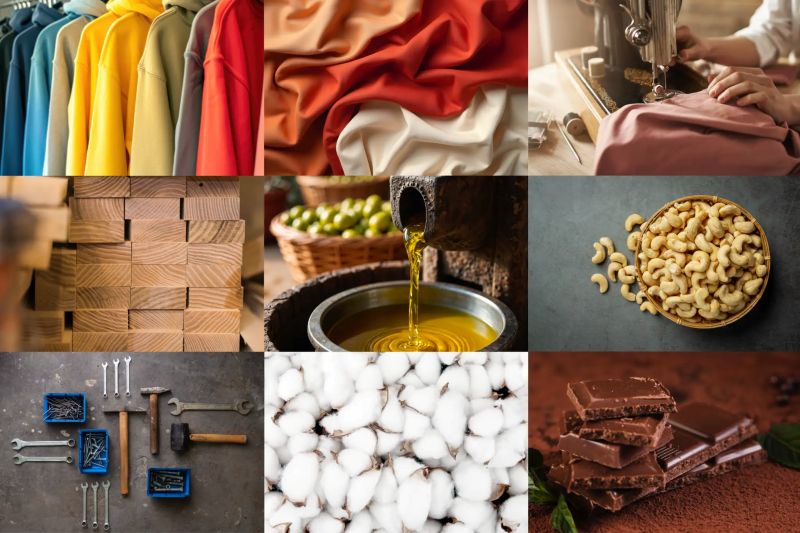
The Glo-Djigbé Industrial Zone (GDIZ) has become a strong example of how an integrated industrial ecosystem can turn local resources into production, exports and jobs. The zone now hosts 40 industries, has created 25,000+ jobs and is expected to attract up to $1.4 billion in its first phase, with activity spanning textiles, cashew processing, soybeans, shea, cosmetics and construction materials.
Its influence is extending beyond Benin. Governors from six Nigerian states recently committed to adapting the GDIZ model to revive textiles, strengthen agro-processing and accelerate industrialisation, a signal that the model is being viewed as replicable across African markets.
Across Africa, industrial ecosystems are already supporting manufacturing, agro-processing, automotive, construction materials, metals, recycling and other value-added sectors. For investors and manufacturers, the question is increasingly not just what to produce, but where the right conditions exist to produce it at scale.
Explore the opportunities across Benin, Ghana, Nigeria, Togo, Gabon and Côte d’Ivoire through.
The next chapter of Africa’s production story will be shaped not only by what gets made, but by the ecosystems that make it possible to make more and create more value from it.
Sources: AllAfrica, Ghana News Agency, CapMad
recommended topics
Discover prime locations across Africa for lucrative investment opportunities and strategic growth.
Explore key investment zones in Africa that offer strategic advantages and economic benefits.
Uncover the best investment opportunities in Africa to maximize your business potential.

Identify the most promising sectors in Africa for high returns and sustainable investments.


Africa Business Opportunities: Location-Based 
Africa Business Sectors: Location-Based
Copyright © Arise IIP, 2026