














































































Industry Overview

→ What role does Industrial Platform Remo Free Zone play in Nigeria’s industrial landscape?
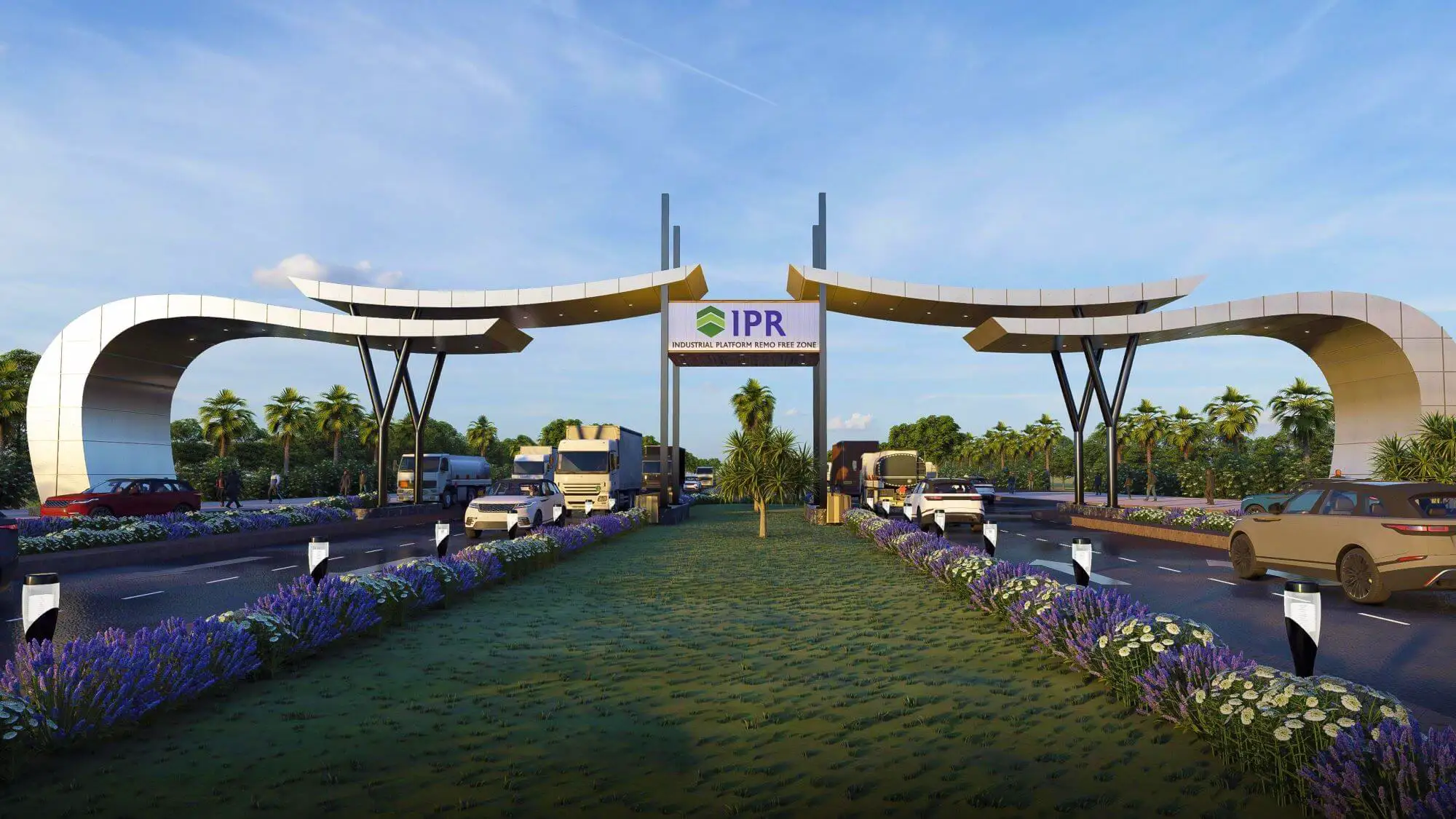
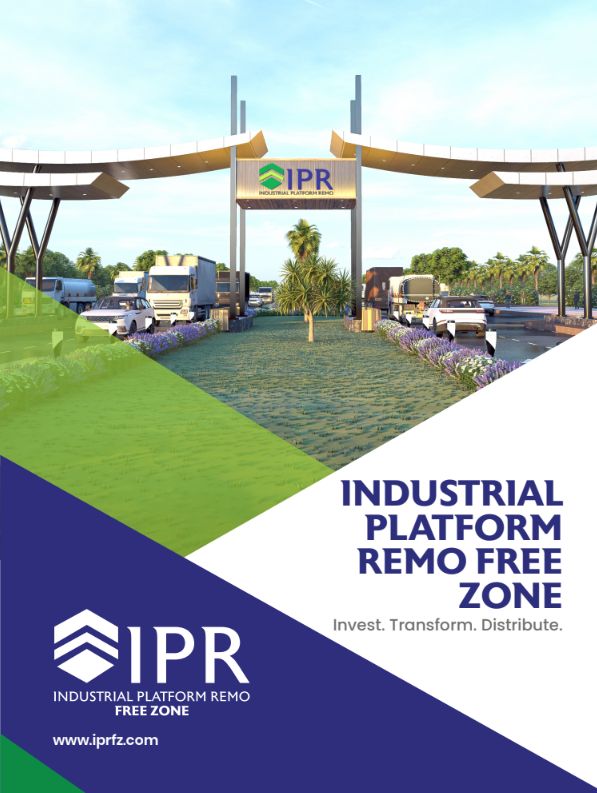
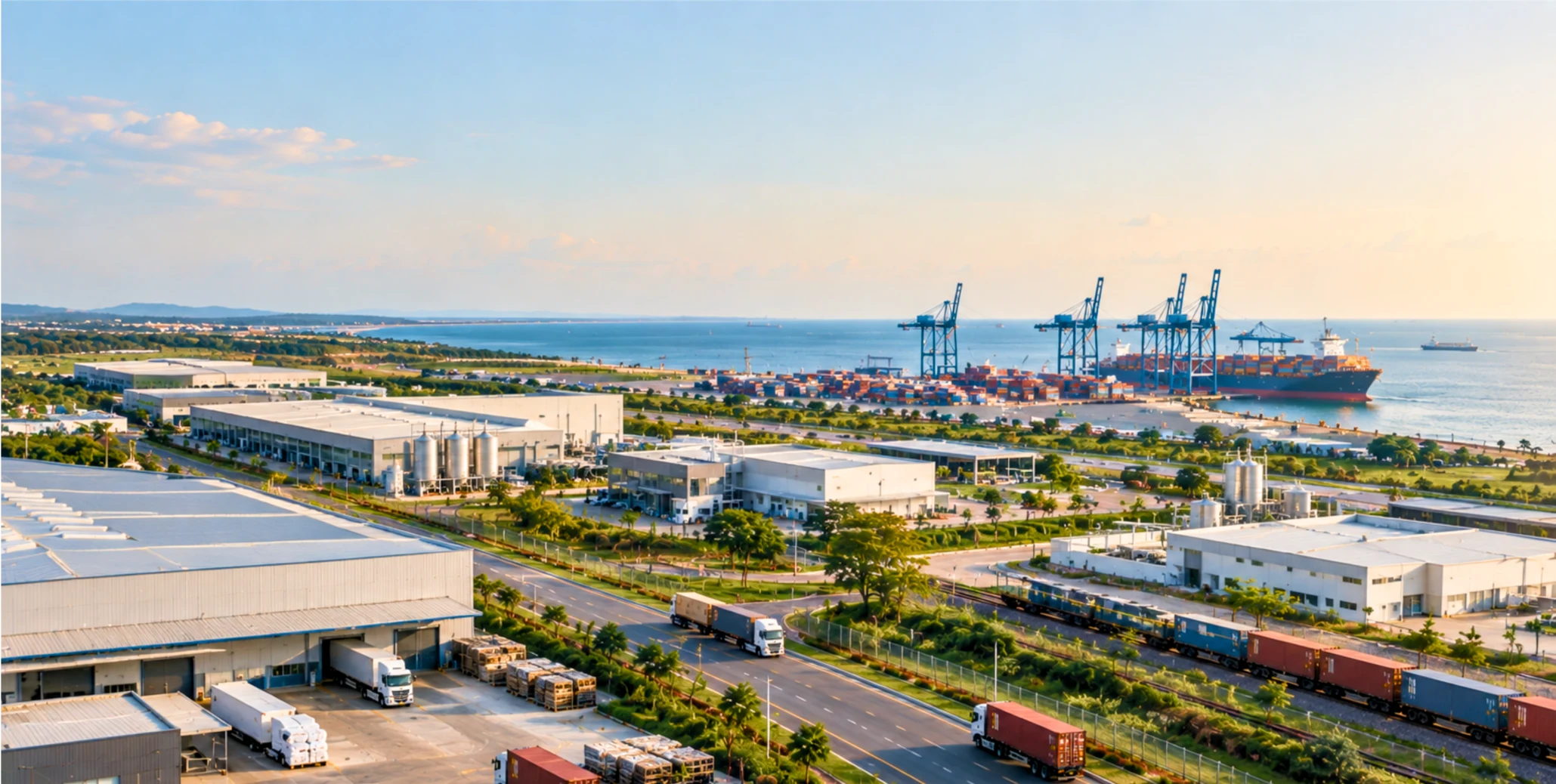
IPRFZ is positioned as a large-scale manufacturing platform supporting Nigeria’s shift toward local value addition and industrial self-sufficiency. Its design enables both domestic-focused and export-oriented manufacturing, aligning with national priorities around import substitution and industrial growth.
→ What types of manufacturers is IPRFZ best suited for?
IPRFZ is suited for manufacturers seeking scale, operational stability, and long-term expansion across agro-processing, FMCG, pharmaceuticals, light and heavy manufacturing, renewable energy and logistics within a structured industrial environment.
Profitability & Value Chain Opportunities
→ How does operating from IPRFZ improve manufacturing economics?
The Free Trade Zone framework and integrated industrial setup help reduce friction across sourcing, processing, and distribution. This improves margin visibility, lowers execution risk, and allows manufacturers to optimise costs across the value chain rather than manage them in isolation.
→ What value-chain opportunities does IPRFZ unlock within Nigeria?
Nigeria’s strong raw material base and continued reliance on imported finished goods create clear opportunities for downstream processing and local manufacturing. IPRFZ enables investors to capture value closer to consumption while maintaining flexibility for regional exports.
Market Trends & Demand Evolution
→ How does IPRFZ support access to key consumption markets?
Its location within South-West Nigeria allows manufacturers to serve high-demand urban and industrial corridors efficiently, balancing proximity to major markets with lower congestion and operating costs compared to inner-city manufacturing.
→ How does the zone support regional and export-led growth?
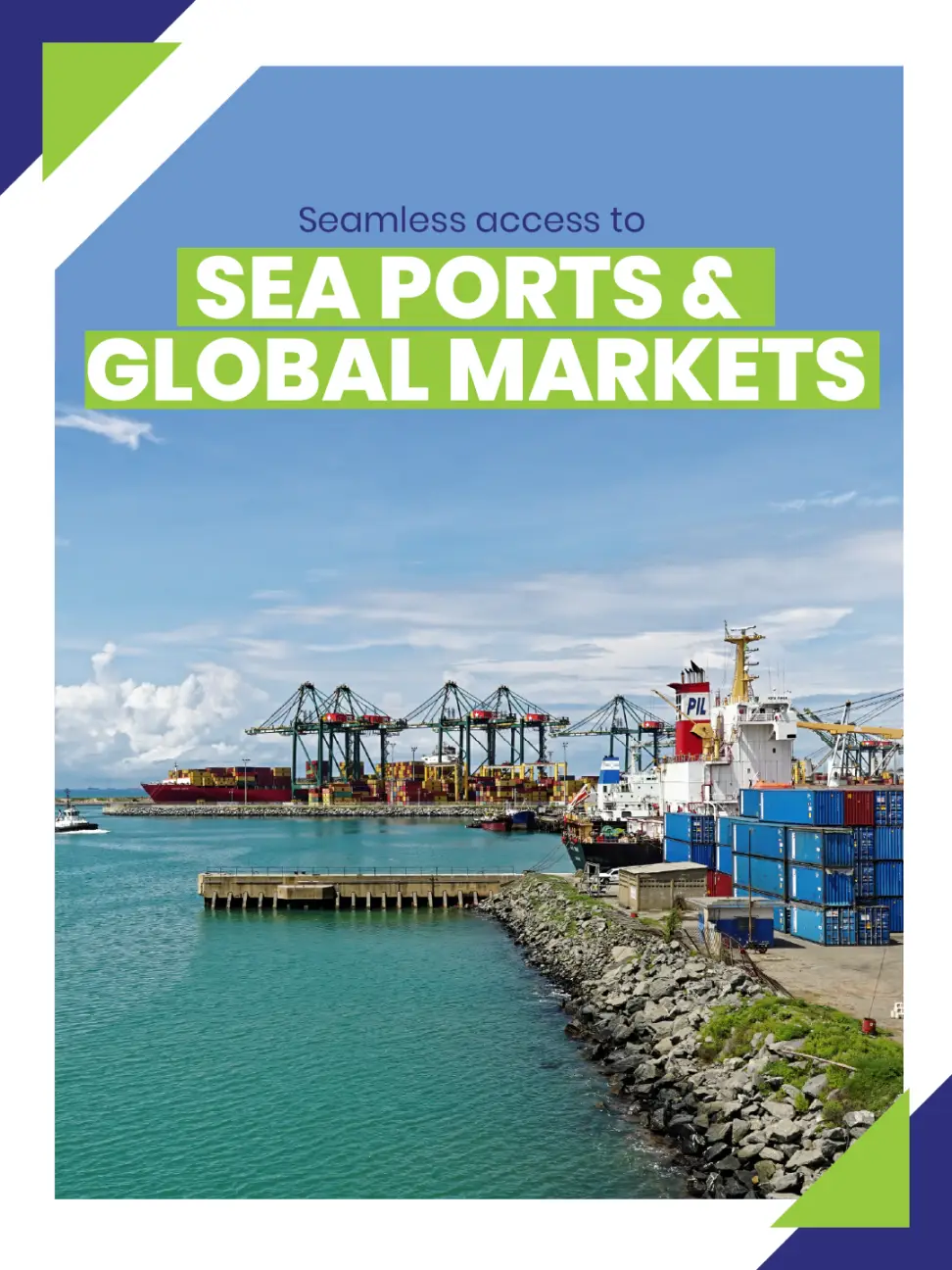
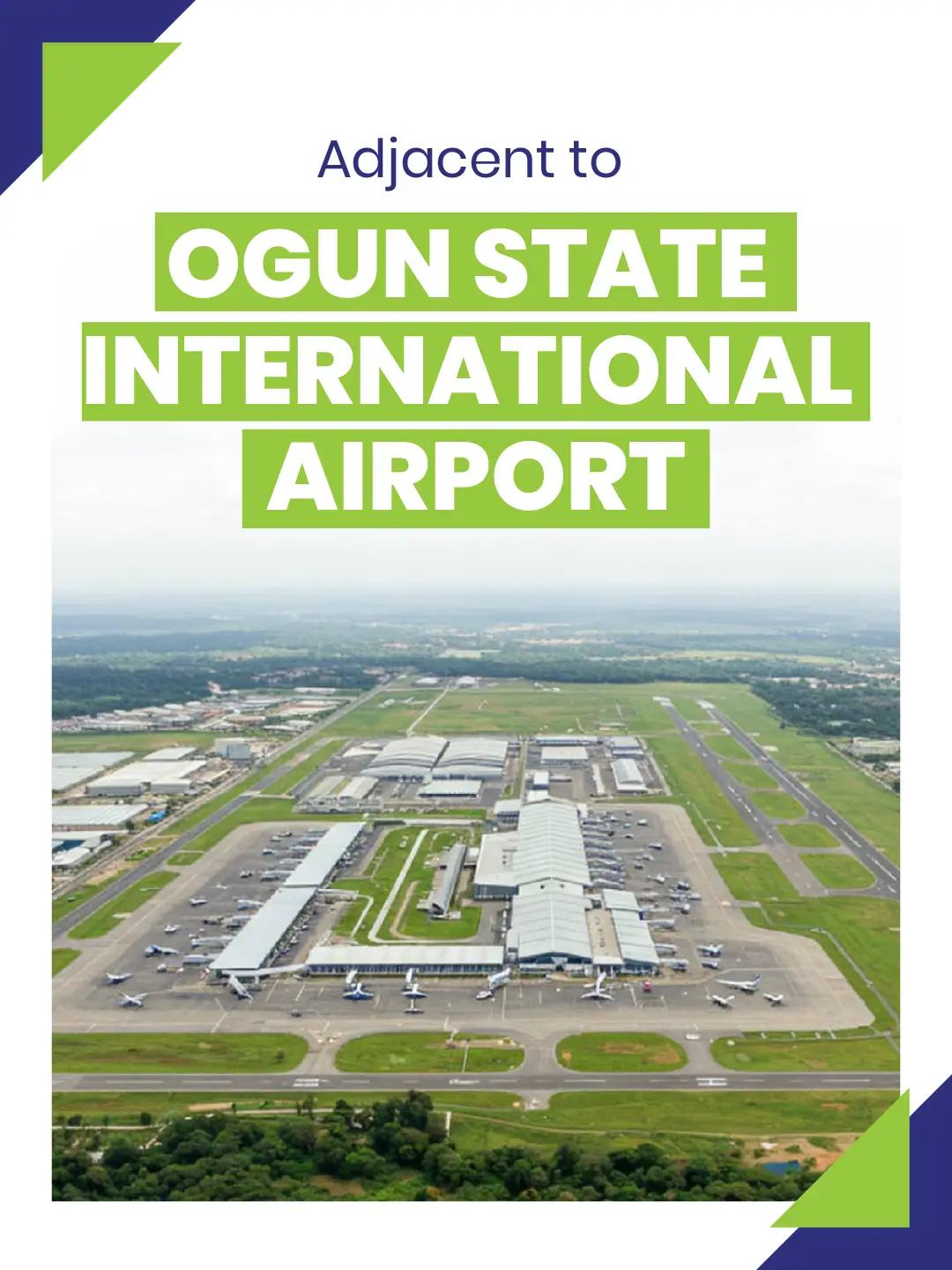
Manufacturers operating from IPRFZ can leverage strong multimodal connectivity to serve both domestic demand and West African trade routes, enabling a dual-market strategy from a single production base.
Industrial Zones & Setup Benefits
→ How predictable is the regulatory environment for investors at IPRFZ?
Operating under Nigeria’s Free Trade Zone framework, IPRFZ offers regulatory clarity and consistency across customs, taxation, and foreign investment protections reducing policy uncertainty during both setup and operations.
→ Why does the public–private partnership structure matter for investors?
The PPP model aligns government oversight with professional industrial development, providing institutional backing while ensuring commercial execution standards an important factor for long-term operational confidence.
→ What does “plug-and-play” manufacturing mean in the context of IPRFZ?
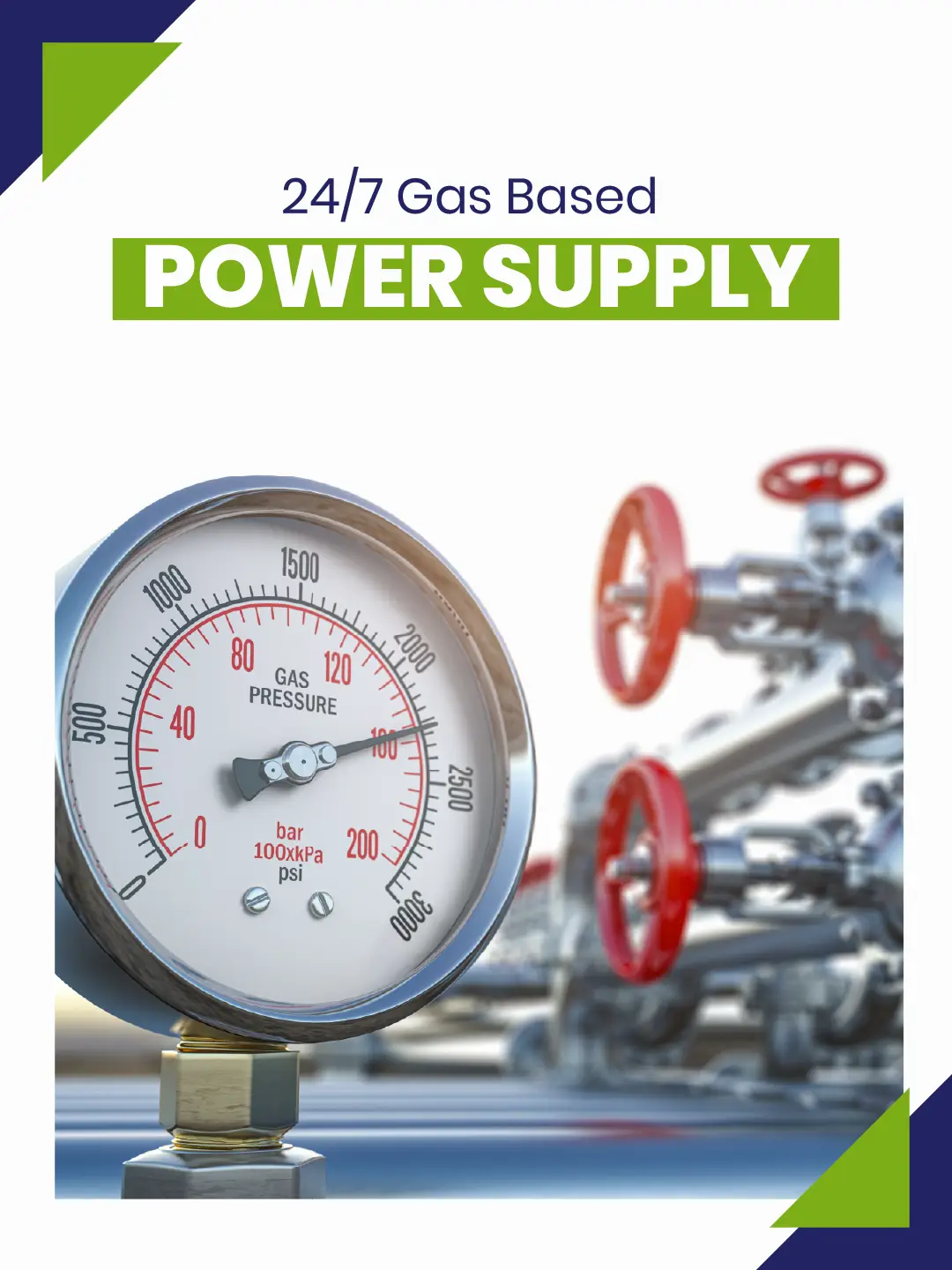
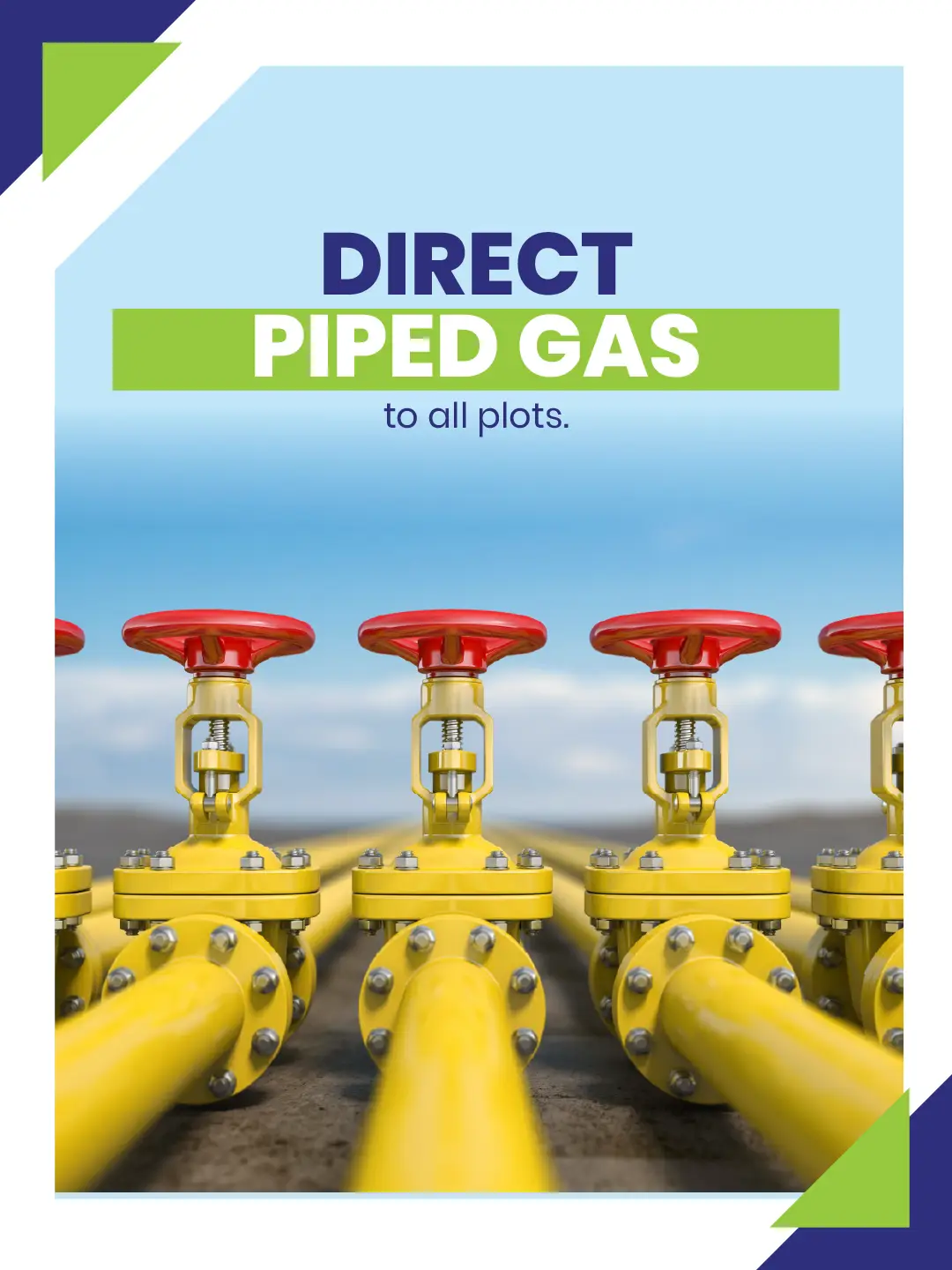
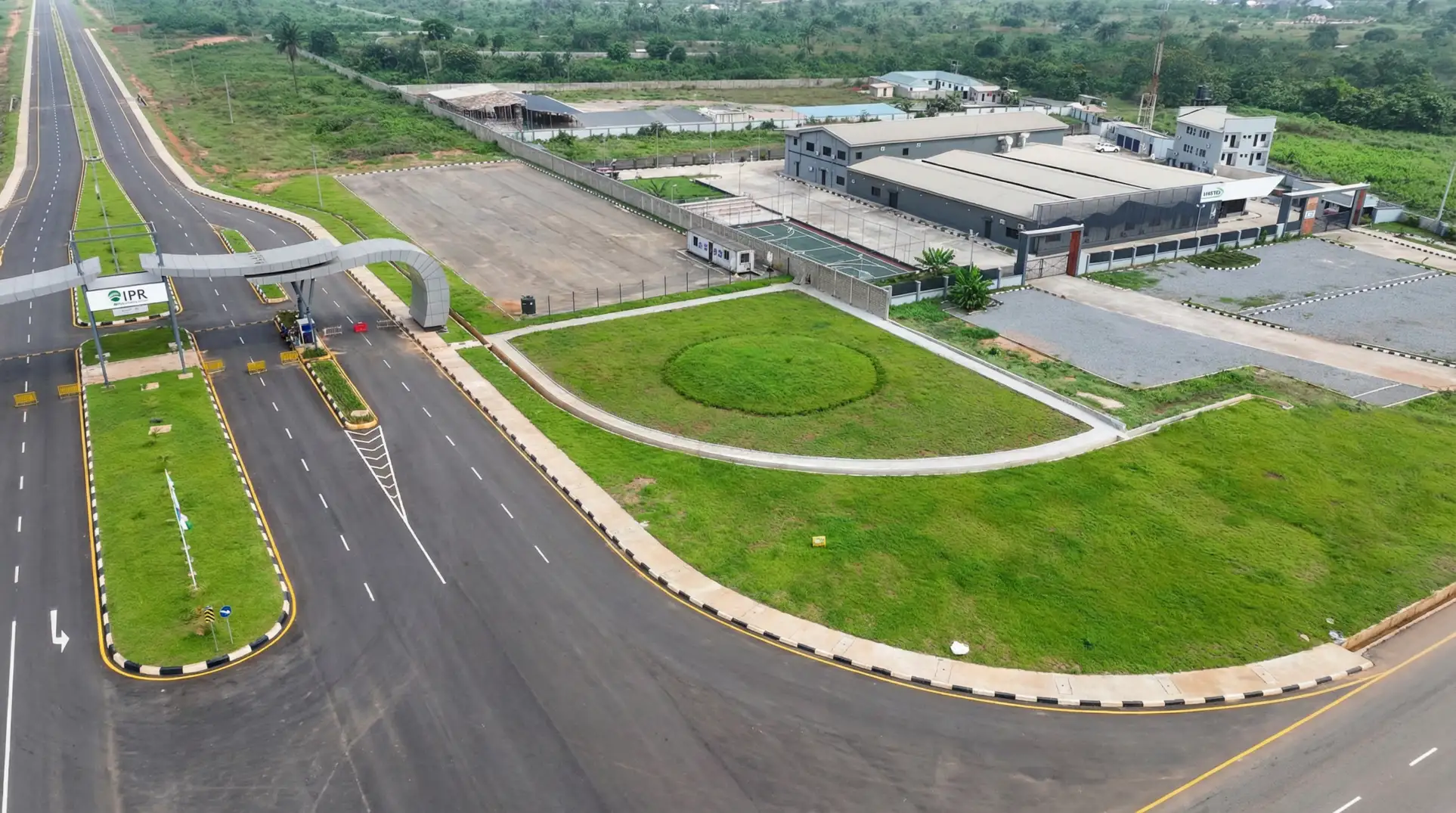
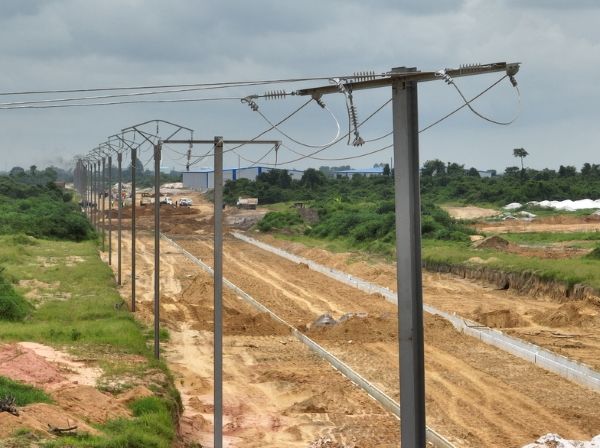
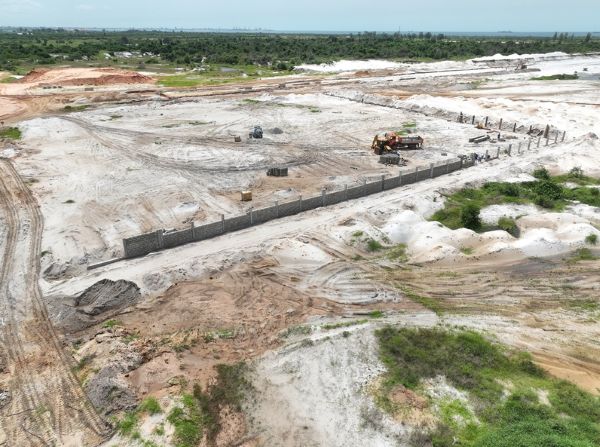
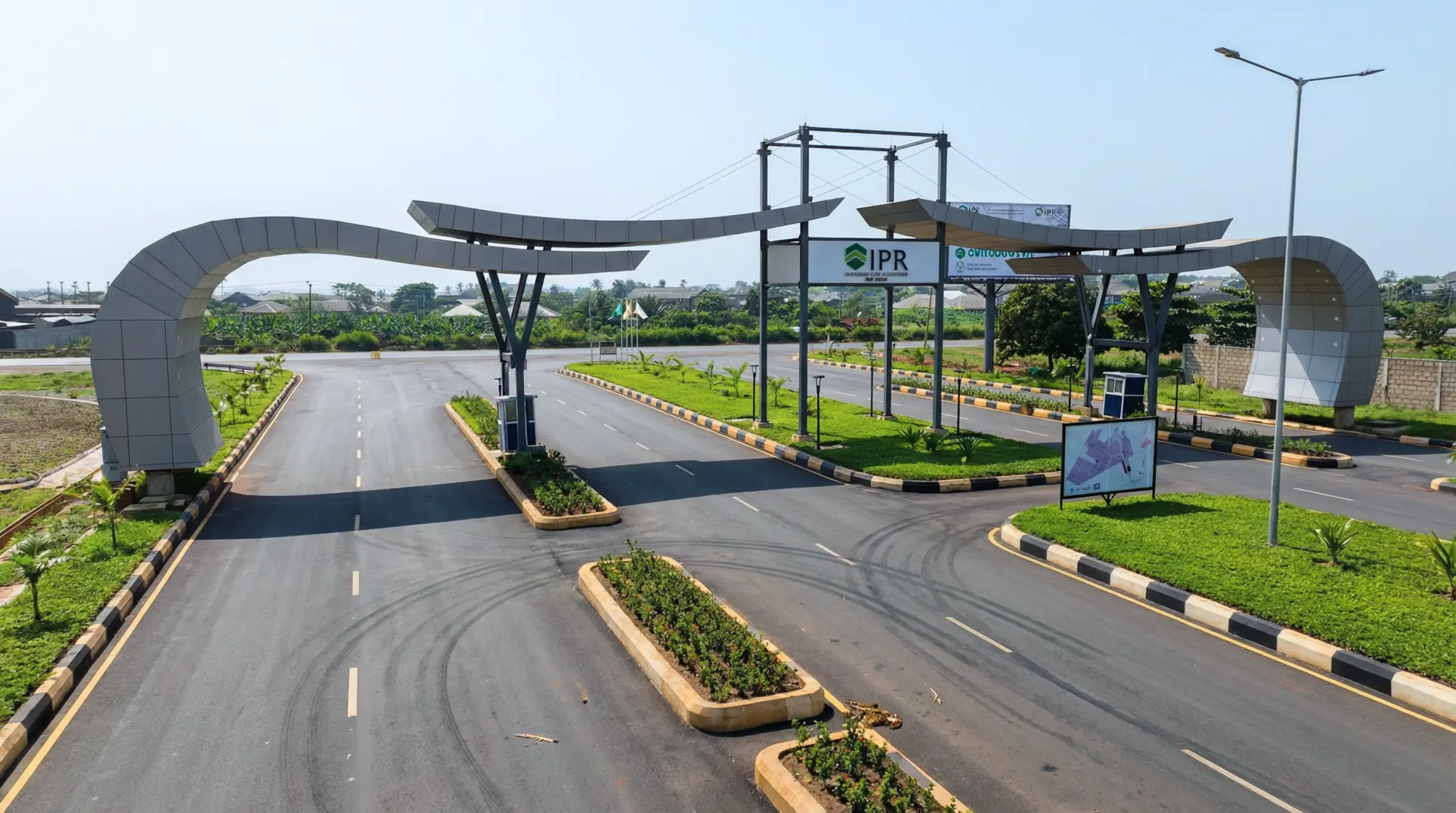
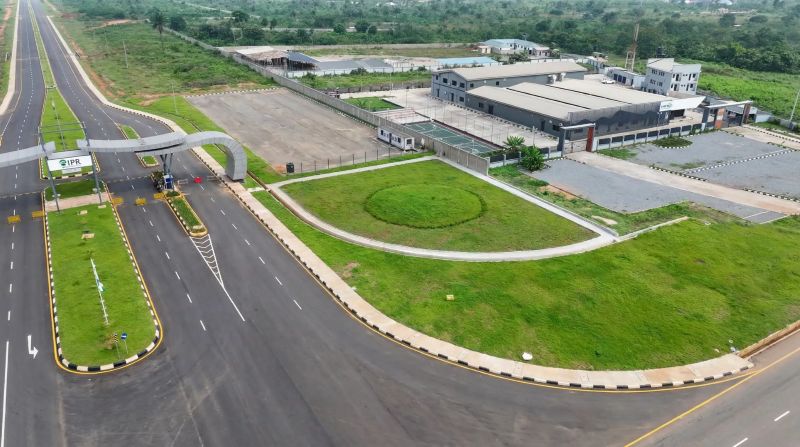
IPRFZ provides ready-to-operate industrial infrastructure where land, utilities, internal roads, security and approvals are planned together allowing manufacturers to focus on production rather than foundational setup.
→ How does IPRFZ improve time-to-operation for investors?
By consolidating approvals, infrastructure, and operational services within a single ecosystem, IPRFZ shortens the transition from investment decision to production start, improving capital efficiency and reducing early-stage execution risk.
Geo Comparision
→ Why is Remo, Ogun State strategically positioned for industrial development?
Remo sits within a growing industrial corridor that offers proximity to Nigeria’s largest commercial markets while benefiting from better land availability and logistics efficiency supporting scalable manufacturing without metropolitan constraints.
→ How does IPRFZ’s location compare to other industrial clusters in the region?
Unlike isolated industrial sites, IPRFZ is embedded within a broader economic development cluster, enabling coordinated infrastructure planning, workforce access, and long-term expansion rather than single-asset dependency.