



Summary
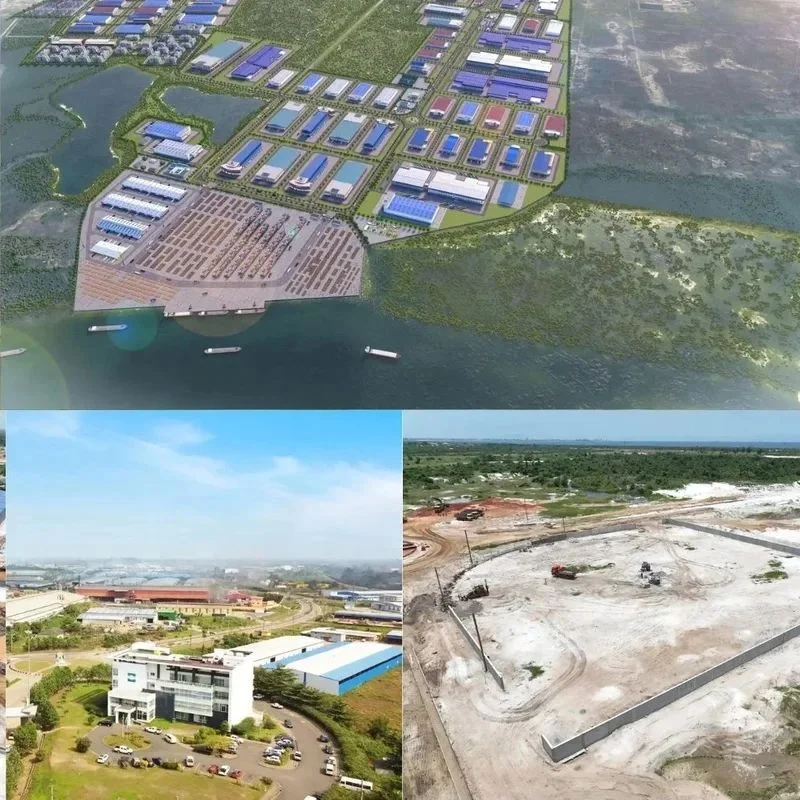
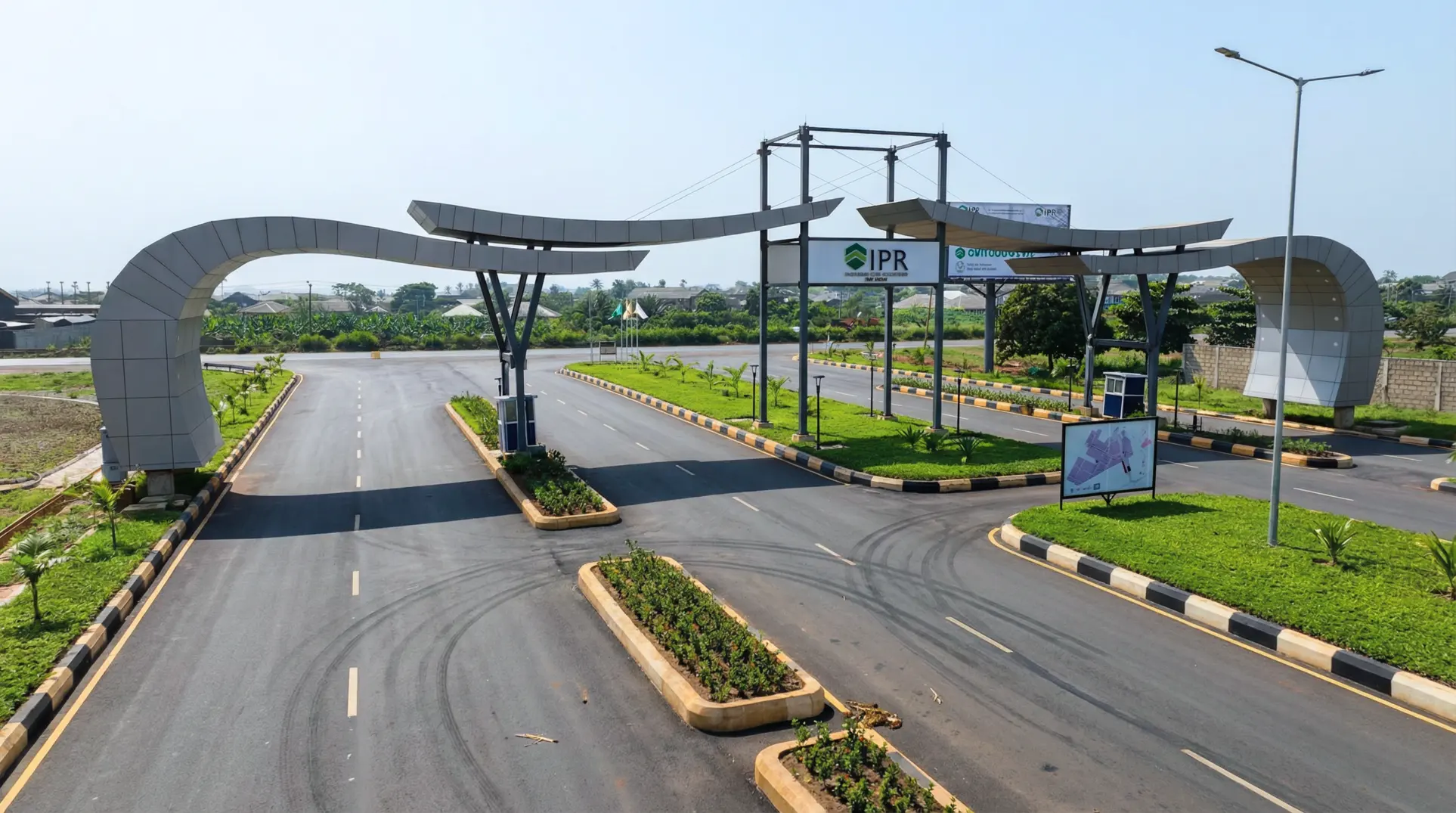
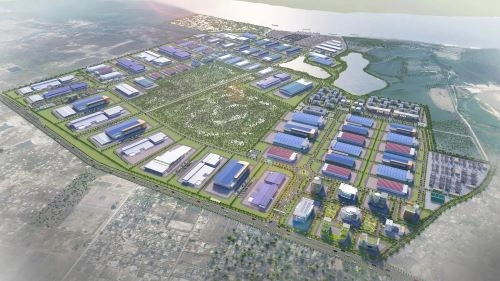
Manufacturing investments in Nigeria are rarely decided by market size alone. What ultimately matters is how smoothly a facility can be set up, operated, and scaled over time. Industrial Platform Remo Free Zone (IPRFZ) has been structured around these practical realities, offering pre-zoned industrial land, reliable utilities, coordinated logistics, and a formal regulatory framework that reduces operational friction.
This article explores how different manufacturing sectors operate within IPRFZ, from processing-led and utility-dependent industries to construction materials, pharmaceuticals, metals, and clean-energy components. It also examines how infrastructure planning, phased expansion, and regulatory alignment shape day-to-day operations and long-term scalability.
Through this lens, Africa for Investors outlines how manufacturing strategy meets operating reality at IPRFZ, providing investors with a clearer basis for evaluating sector fit, execution readiness, and sustainable industrial growth in Nigeria.
Table of Contents:
1. Inside IPRFZ: When Manufacturing Strategy Meets Operating Reality
2. Which Manufacturing Sectors Operate Within IPRFZ?
3. Limestone and Construction-Materials Manufacturing at IPRFZ
4. How These Sectors Typically Operate Within the Zone
5. Operating Within a Formal Regulatory Framework
7. Looking to Expand Within a Business-Ready Ecosystem at IPRFZ?
8. Frequently Asked Questions (FAQs)
When investors talk about manufacturing in Nigeria, the conversation usually starts with market size. That’s understandable, but it’s rarely where decisions are made. The real question investors end up asking is simpler and more practical:
Where can I set up and operate with the least friction?
That’s where zones like Industrial Platform Remo Free Zone (IPRFZ) come into focus.
Most manufacturing investments succeed or fail on a few non-negotiables:
IPRFZ is designed to cater to all these questions.
Manufacturing activity at IPRFZ spans a range of processing-led and continuous-operation sectors.
The zone’s infrastructure and operating framework tend to align with industries that depend on coordinated logistics, stable utilities, and phased capacity planning.
Sectors commonly associated with the zone’s operating profile include:
Limestone plays a foundational role in construction-materials manufacturing, particularly for cement, clinker, lime, and allied downstream products. Ogun State, where IPRFZ is located, is recognised as one of Nigeria’s key limestone-bearing regions, making itstrategically relevant for processing-led, bulk-input manufacturing.
For manufacturers, proximity to limestone sources helps reduce inbound logistics costs, support higher throughput operations, and improve margin stability especially in sectors where raw material volumes are high and transport efficiency directly affects unit economics.
Within IPRFZ, the availability of industrial land, heavy-load infrastructure, and reliable utilities supports limestone-linked operations that require continuous processing, material handling, and phased capacity expansion. This aligns well with construction-materials manufacturers seeking to balance scale, cost control, and long-term operational predictability.
Manufacturing activity within IPRFZ spans multiple sectors, but operations tend to follow a few common structural patterns shaped by the zone’s layout, infrastructure planning, and regulatory framework.
Rather than optimising for a single industry, the zone is configured to support manufacturing models that rely on continuous operations, coordinated logistics, and phased capacity build-up.
Processing-Led Manufacturing
Processing-led sectors generally require steady inbound material flows, space for storage and handling, along with predictable outbound logistics.
Within IPRFZ, site layouts and internal circulation are planned to support sustained material movement and equipment-intensive operations, allowing manufacturers to sequence processing activities without compressing workflows.
Continuous and Utility-Dependent Manufacturing
Sectors such as pharmaceuticals, construction materials, metals, glass, and energy-related manufacturing place greater emphasis on uninterrupted utilities and controlled operating conditions.
At IPRFZ, zone-level utility planning reduces reliance on facility-specific infrastructure,supporting consistency across production cycles.
Expansion and Capacity Management
Across sectors, manufacturing facilities tend to expand in phases. IPRFZ’s land configuration and infrastructure planning are structured to support incremental additions without requiring changes to core access, utilities, or regulatory arrangements.
IPRFZ operates as a compliant Free Trade Zone under the Nigerian Free Trade Zone Act and its supporting regulations.
For manufacturers, this framework shapes how operations are structured across:
Rather than functioning as standalone incentives, these provisions define a stable operating environment aligned with national development priorities.
For investors, regulatory alignment at the zone level influences how facilities move from setup to operation, and how changes such as capacity additions or process modifications are handled over time.
Together, these factors outline how manufacturing activity is structured and managed within IPRFZ.
For investors and manufacturers evaluating sector fit, operating conditions, and long-term scalability, this provides a practical basis for assessing how the zone functions in practice.
Viewed in context, this sector-level perspective connects to broader shifts taking place across Ogun State and Nigeria’s manufacturing landscape, where location-driven strategies are becoming central to long-term industrial outcomes.
Industrial zones like IPRFZ address much of the structural friction in manufacturing setup.
What remains are the decisions that shape outcomes over time sector positioning, partner selection, capital structuring, compliance, and execution sequencing.
Africa for Investors (AFI), backed by Arise Integrated Industrial Platforms (Arise IIP), works across this layer of the investment process, connecting manufacturing capital to execution-ready industrial environments in Nigeria and across Africa.
With pre-zoned land, integrated infrastructure, and established logistics frameworks already in place, these environments reduce setup uncertainty and support more predictable operating economics.
AFI’s role is to help investors move through this landscape with clarity aligning strategy, structure and execution rather than navigating each in isolation.
How AFI Typically Engages
AFI supports manufacturing-led investments through a set of focused, execution-oriented services:
With teams positioned across Africa, India, the UAE, China, and Vietnam, AFI operates close to both capital and execution supporting manufacturers as projects move from evaluation to establishment and early operations.
1. What is Industrial Platform Remo Free Zone (IPRFZ)?
Industrial Platform Remo Free Zone (IPRFZ) is a formally designated Free Trade Zone in Ogun State, Nigeria, developed to support manufacturing and processing-led industries through pre-zoned land, integrated infrastructure, and a compliant regulatory framework.
2. Why is IPRFZ considered suitable for manufacturing in Nigeria?
IPRFZ is designed to reduce common operational frictions faced by manufacturers in Nigeria, including land acquisition challenges, unreliable utilities, logistics inefficiencies, and regulatory complexity. Its zone-level planning supports continuous operations and phased expansion.
3. Which manufacturing sectors operate within IPRFZ?
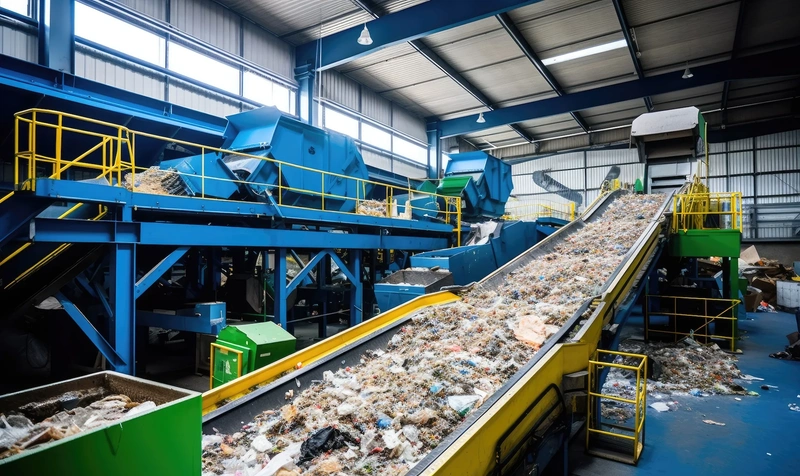
Manufacturing activity at IPRFZ typically includes agro and food processing, pharmaceuticals and healthcare manufacturing, construction materials, steel and metal processing, glass and allied materials, recycling, clean-energy components, and light industrial assembly.
4. Is IPRFZ suitable for continuous and utility-dependent manufacturing?
Yes. IPRFZ’s infrastructure and utility planning are aligned with sectors that require uninterrupted power, gas, and stable operating conditions, such as pharmaceuticals, construction materials, metals, glass, and energy-related manufacturing.
5. How does IPRFZ support construction-materials and limestone-based manufacturing?
Located in Ogun State one of Nigeria’s key limestone-bearing regions—IPRFZ offers proximity to raw material sources, heavy-load infrastructure, and reliable utilities, making it well-suited for cement, clinker, lime, and allied construction-materials manufacturing.
6. Can manufacturing facilities at IPRFZ expand in phases?
Yes. IPRFZ is structured to support phased capacity expansion. Land configuration, internal access, utilities, and regulatory arrangements are planned to accommodate incremental growth without disrupting ongoing operations.
7. How does the regulatory framework work within IPRFZ?
IPRFZ operates under the Nigerian Free Trade Zone Act and associated regulations.
This framework governs import and export processes, equipment sourcing, production, warehousing, and regulatory interactions, providing manufacturers with a predictable operating environment.
8. Does operating within IPRFZ reduce regulatory and administrative friction?
Operating within a formal Free Trade Zone like IPRFZ centralises and streamlines regulatory processes at the zone level, reducing the need for repeated escalations and allowing manufacturers to focus on operations and scale.
9. How does Africa for Investors support manufacturing projects at IPRFZ?
Africa for Investors (AFI) supports manufacturing-led investments through sector and country expertise, local partnerships, feasibility and structuring support, financing pathways, operational services, and ESG advisory—helping investors move from evaluation to execution.
10. Is IPRFZ relevant for foreign and cross-border investors?
Yes. IPRFZ is designed to accommodate both domestic and international manufacturing investors, offering a compliant Free Trade Zone framework, integrated logistics, and operating conditions aligned with export-oriented and regional market strategies.
11. How does IPRFZ fit into Nigeria’s broader manufacturing strategy?
IPRFZ reflects a broader shift toward location-driven manufacturing strategies in Nigeria, where industrial zones with integrated infrastructure and regulatory alignment play a central role in long-term industrial development.
12. Who should consider investing or operating at IPRFZ?
IPRFZ is best suited for manufacturers and investors seeking scalable operations, predictable utilities, coordinated logistics, and a structured regulatory environment—particularly in processing-led and continuous-operation sectors.
recommended topics
Discover prime locations across Africa for lucrative investment opportunities and strategic growth.
Explore key investment zones in Africa that offer strategic advantages and economic benefits.
Uncover the best investment opportunities in Africa to maximize your business potential.

Identify the most promising sectors in Africa for high returns and sustainable investments.


Africa Business Opportunities: Location-Based 
Africa Business Sectors: Location-Based
Copyright © Arise IIP, 2026