













































Industry Overview

→ What is PIA and why is it a strategic investment hub in West Africa?
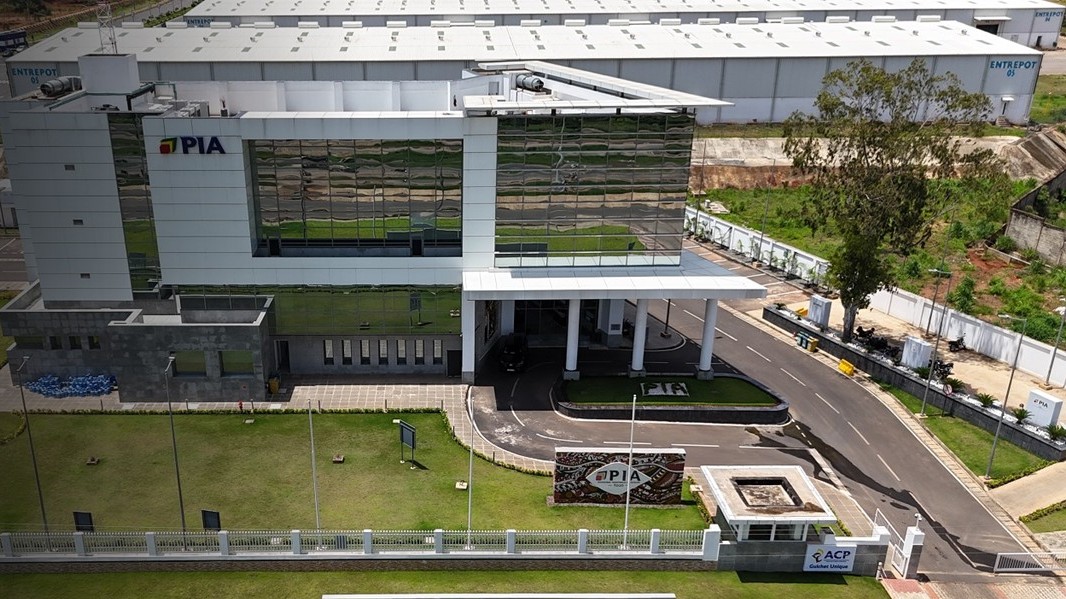
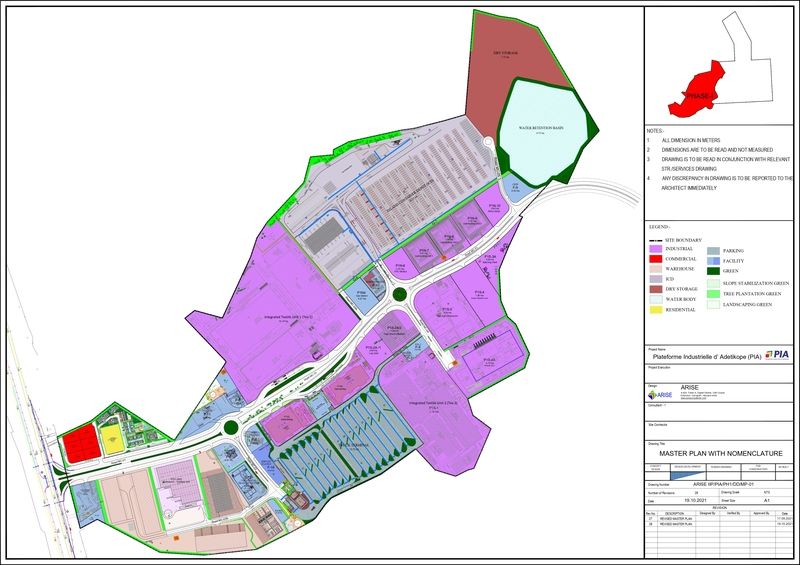
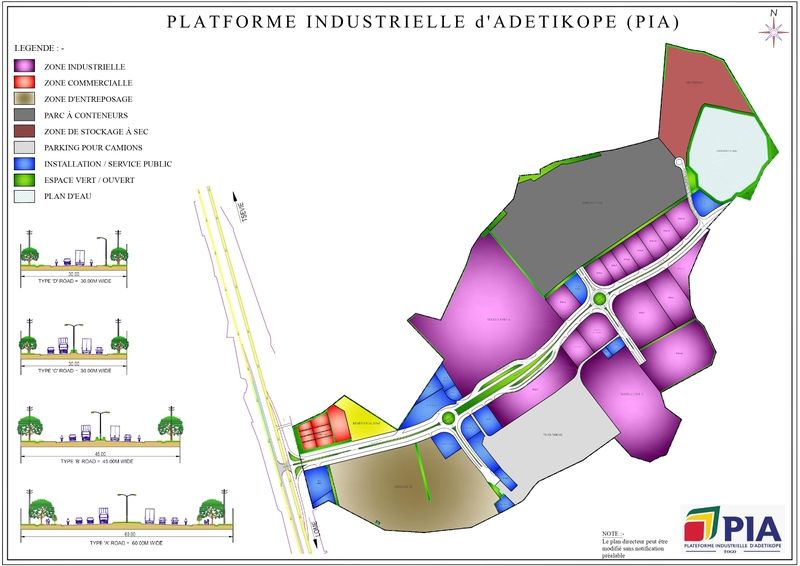
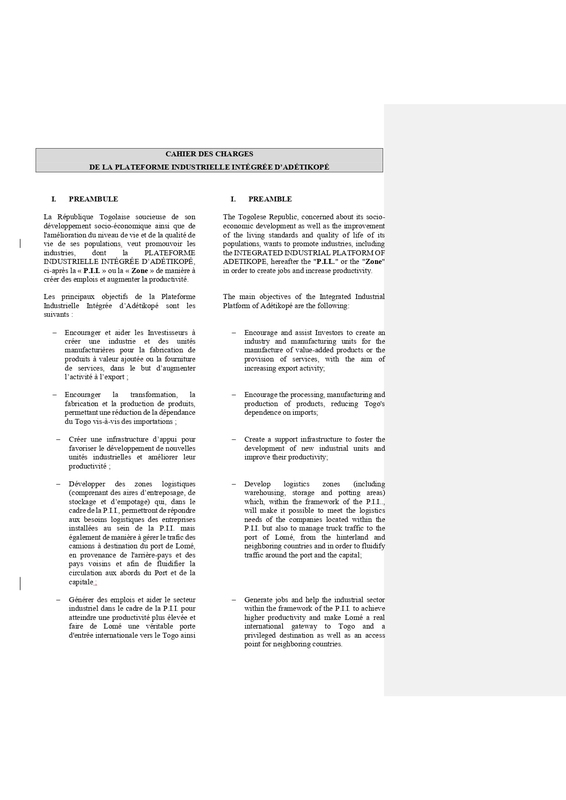
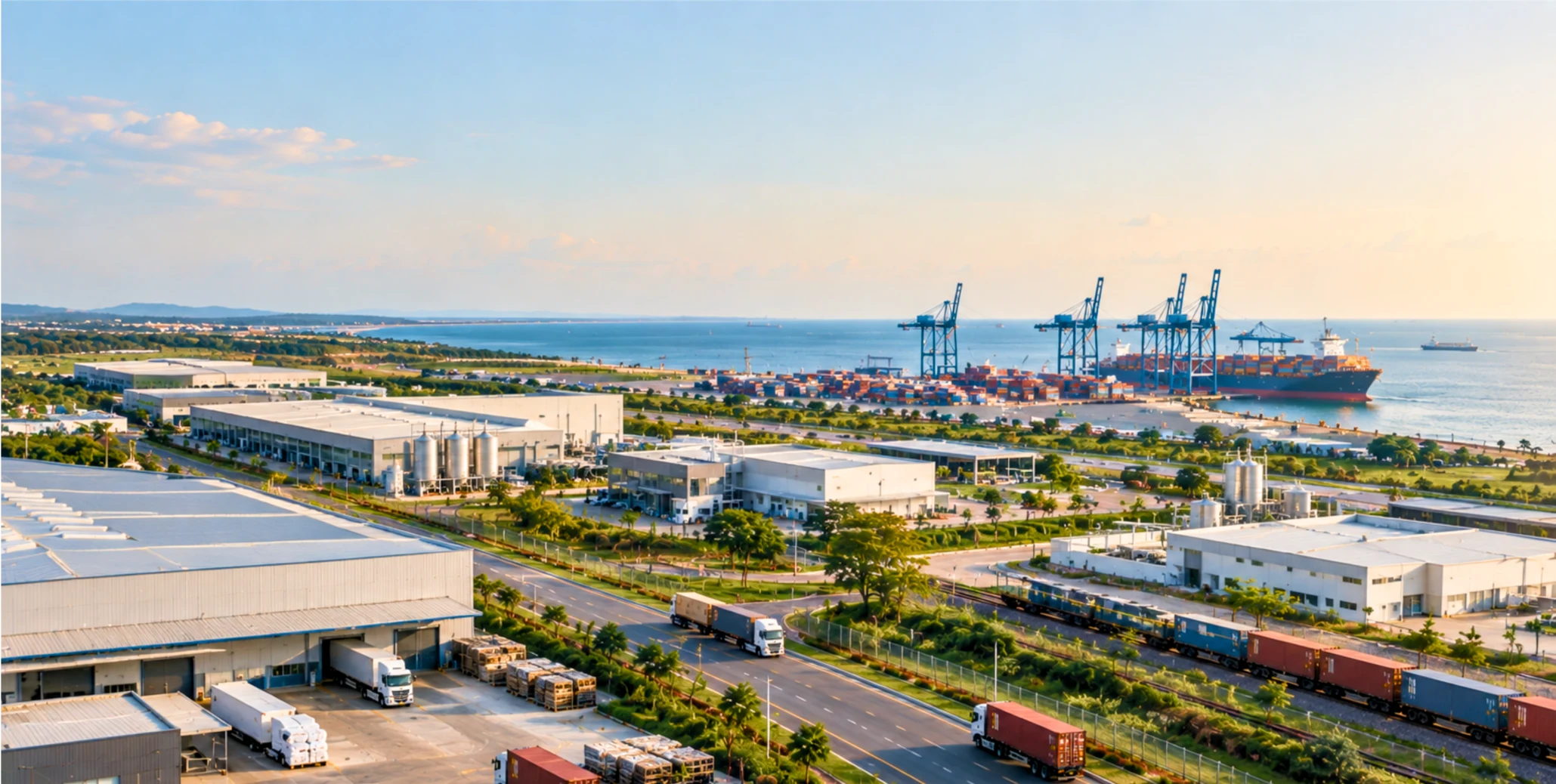
PIA (Plateforme Industrielle d’Adétikopé) is a 400-hectare integrated industrial zone located 15 km north of Lomé. Developed through a Togo–ARISE IIP PPP, the platform is designed to convert premium-grade Togolese cotton into textiles and garments for global markets positioning it as West Africa’s most advanced, vertically aligned textile manufacturing destination.
→ Which sectors are active at PIA and what’s in the pipeline?
Profitability & Value Chain Opportunities
→ What value-addition opportunities does PIA unlock from cotton to finished apparel?
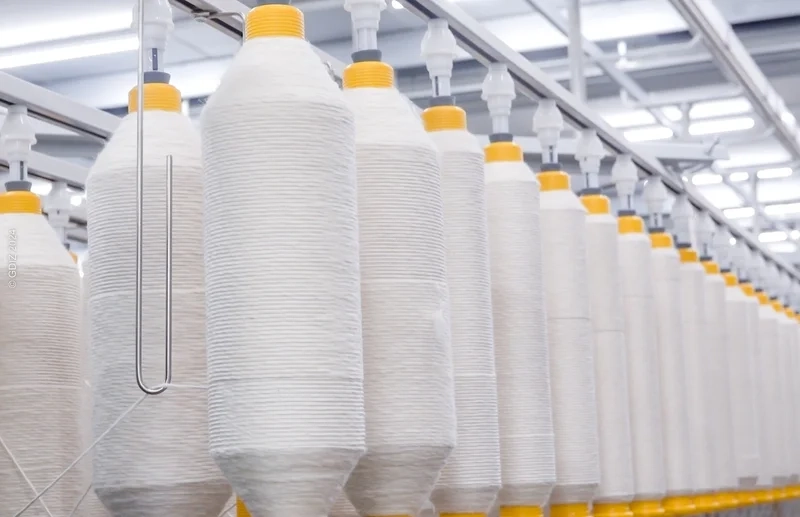
PIA enables a fully integrated textile-to-garment value chain: raw cotton sourcing, spinning, weaving, dyeing, and garmenting all within a single zone. This seamless flow maximizes value capture, ensuring competitive export-ready production for global brands.
→ What investment inflows and employment targets define PIA’s growth?
The zone targets 130 billion FCFA (approx. $215M) in initial investments and at least 30,000 direct jobs. Within this, the textile park alone aims for 20,000 direct and 80,000 indirect jobs supporting a potential 21% contribution to Togo’s GDP.
Market Trends & Demand Evolution
→ Which regional and global markets can investors access through PIA-based operations?
PIA’s proximity to Lomé port, West Africa’s only deep-water port, enables efficient exports to the U.S., Europe, and other high-demand markets. Its traceable, ethically produced textiles cater to global brands seeking reliable, high-quality African manufacturing partners.
→ Are global brands sourcing from PIA?
Yes. PIA initiated garment exports to the U.S. in 2024, with Togo’s exports to the market rising from $20M (2021) to $97M (2024). The zone’s vertically integrated model appeals to brands seeking ethical, traceable, and time-efficient West African production.
Africa Industry Insights
→ How is PIA positioned for renewable energy and sustainability-led investment?
PIA partners with the Togolese government on large-scale solar and battery projects to supply clean energy to its industries. The Adétikopé solar plant is set to be West Africa’s largest photovoltaic facility - strengthening the zone’s appeal to sustainability-focused global buyers.
→ How does Togo’s economic outlook strengthen PIA’s investment case?
Togo posted 5.3% growth in 2024, with forecasts of 5.3–5.8% for 2025. Inflation stands at 2.2% one of the lowest in Sub-Saharan Africa. The IMF also applauded Togo’s 74% implementation of ECF reforms, reinforcing macroeconomic stability and investor confidence.
Geo Comparision
→ How does PIA’s connectivity through Port of Lomé compare regionally?
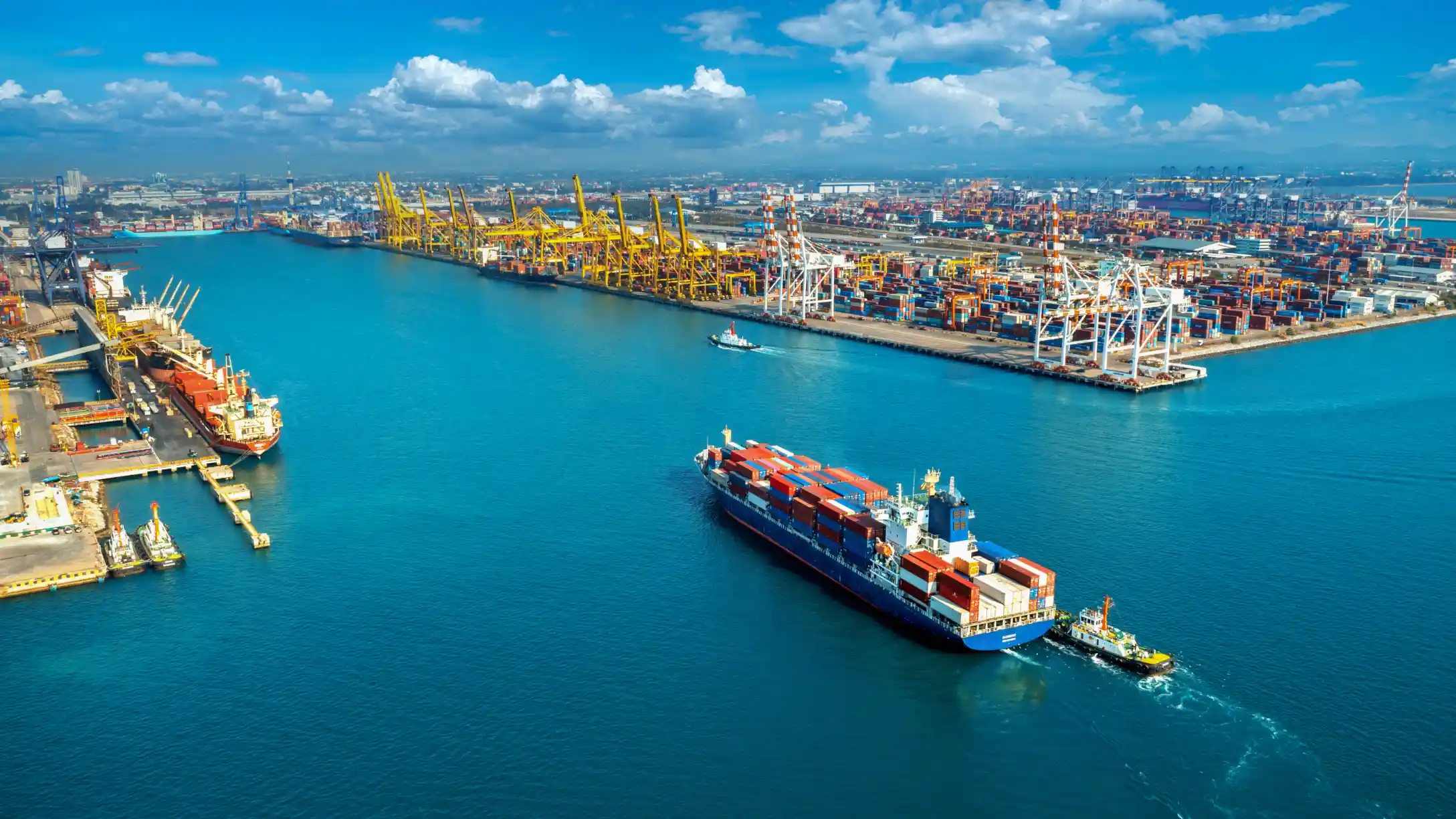
Port of Lomé is West Africa’s only deep-water port that accommodates new-generation vessels without tidal restrictions. Handling 30.64M tonnes in 2024 and ranking 93rd globally, it powers 70% of Togo’s economic activity and 75% of its tax revenue.
→ What regional market access advantages set PIA apart from other African zones?
As the main gateway for Mali, Niger, and Burkina Faso, Port of Lomé’s central Atlantic location reduces transit times across West Africa. A tax-free logistics zone and streamlined customs enhance speed, cost efficiency, and distribution reach.
Industrial Zones & Setup Benefits
→ What infrastructure does PIA offer manufacturers?
PIA provides flexible plot sizes, utility-ready sites, one-stop services, cotton storage warehouses, beverage plant zones, and dedicated container platforms. With 90% renewable energy access, the zone enables sustainable, seamless industrial operations.
→ How does PIA’s PPP model and U.S. trade engagement strengthen investor confidence?
A high-level U.S. visit in 2025 reaffirmed interest in Lomé’s logistics and infrastructure. With deep-water capabilities and >30M tons annual throughput, Lomé offers American and global businesses unmatched entry into African markets adding credibility to PIA’s long-term prospects.