































Industry Overview

→ What is Plateformes Industrielles du Congo (PIC)?
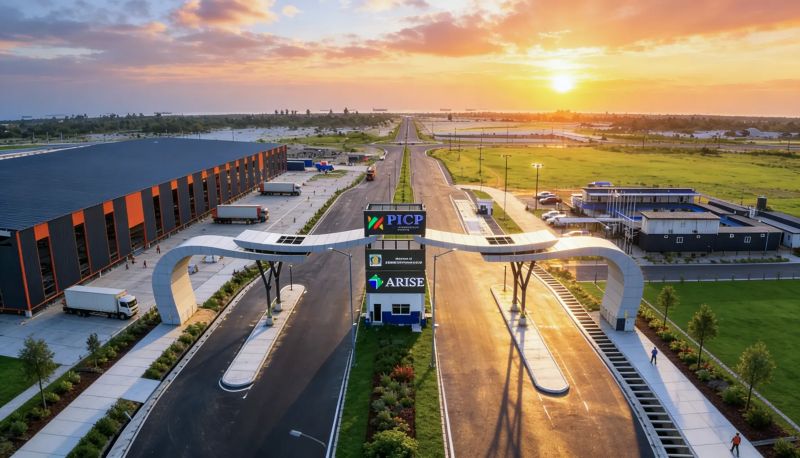
Plateformes Industrielles du Congo (PIC) is a public-private partnership between the Government of the Republic of Congo, which holds a 30% stake, and ARISE IIP, which holds 70%. It focuses on developing industrial zones to support economic growth, local manufacturing, and job creation.
→ Why should investors consider investing in PIC?
PIC offers an integrated industrial environment designed to support business operations through infrastructure, utilities, port connectivity, and investor services. Its focus on local resource processing and industrial development creates opportunities for businesses looking to establish or expand operations in the Republic of Congo.
→ Where are PIC's industrial zones located?
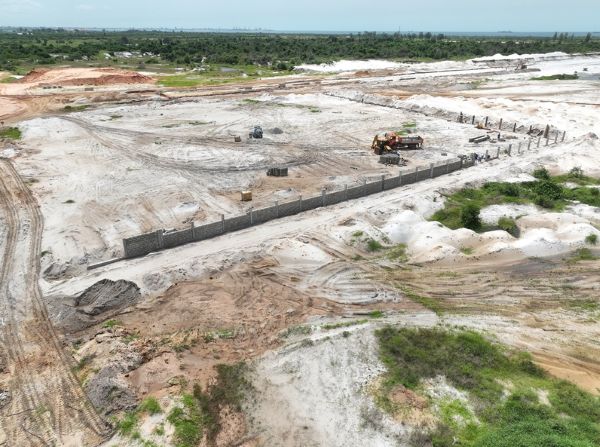
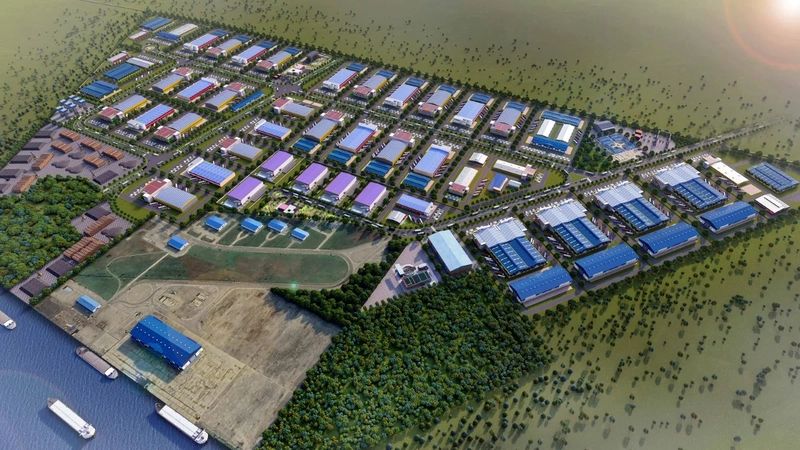
PIC's website highlights two industrial zones: Pointe-Noire and Oyo. Pointe-Noire is positioned as an industrial and economic hub, while Oyo is designed to support economic growth through sustainable and competitive industrial activities.
Profitability & Value Chain Opportunities
→ What manufacturing opportunities are available in PIC?
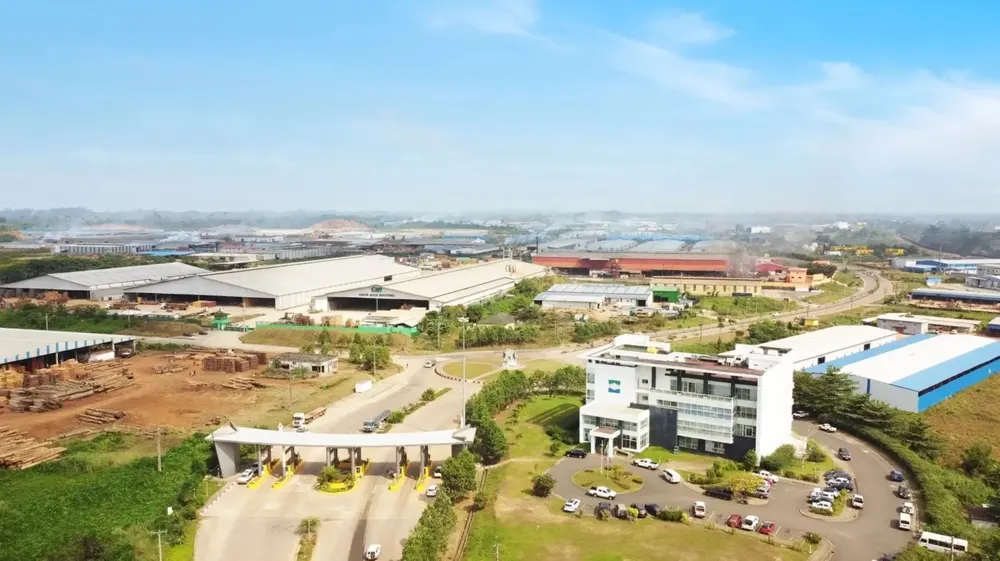
PIC presents opportunities for businesses involved in processing local raw materials and developing industrial value chains. Investors can explore activities across timber and forest products, oil and gas-related industries, construction materials, chemicals, metals processing, and other manufacturing sectors listed on the Africa for Investors page.
→ Why invest in timber and wood processing in the Republic of Congo?
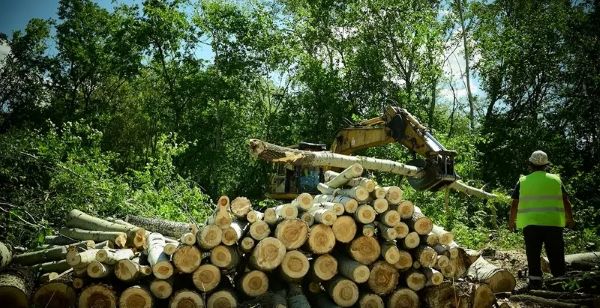
The Republic of Congo has extensive forest resources, with approximately 70% of its land area covered by forest, according to the PIC website. This creates a foundation for exploring timber processing and forest-product manufacturing, subject to sustainable sourcing requirements and applicable regulations.
→ What infrastructure supports businesses operating within PIC?
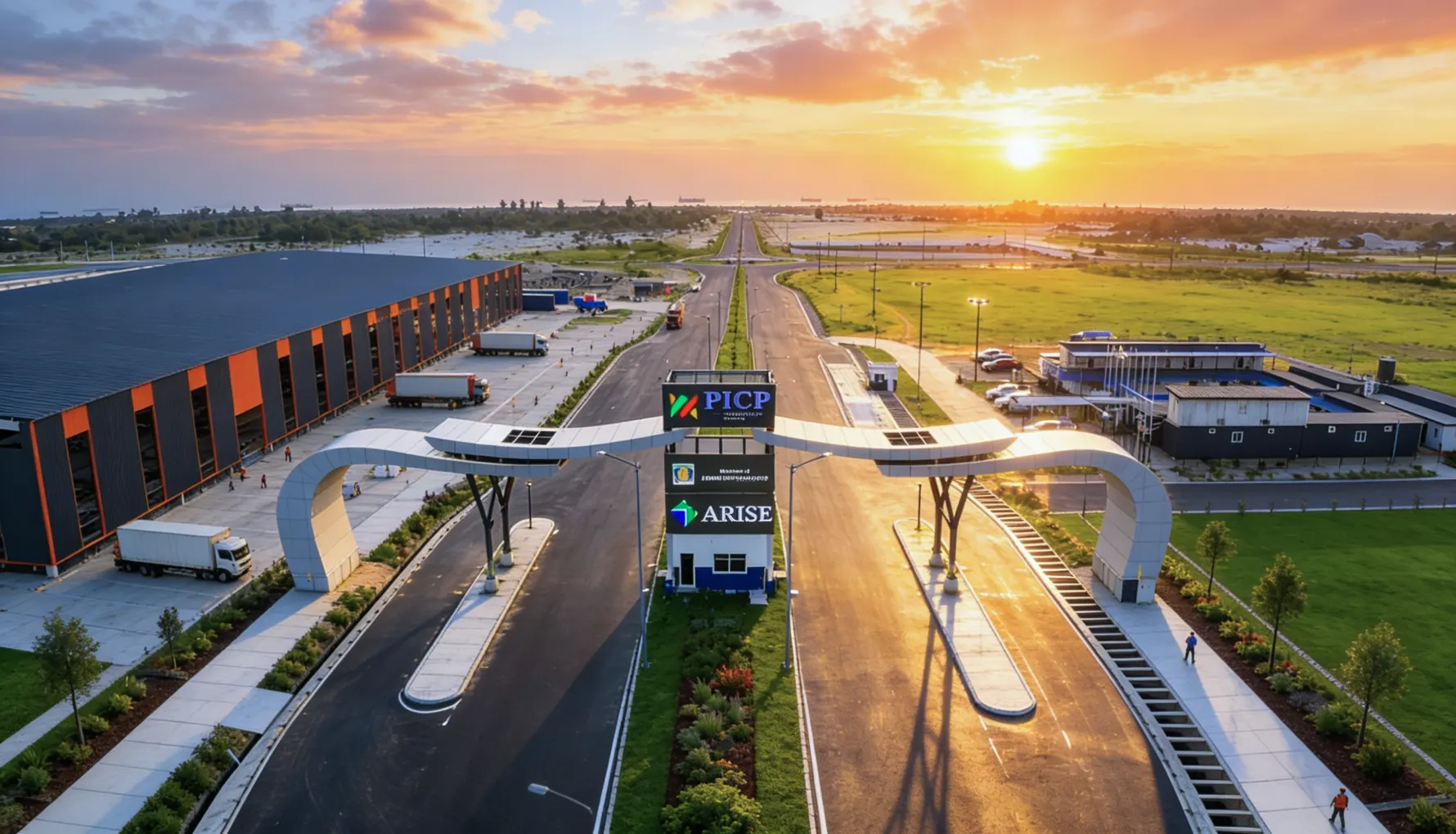
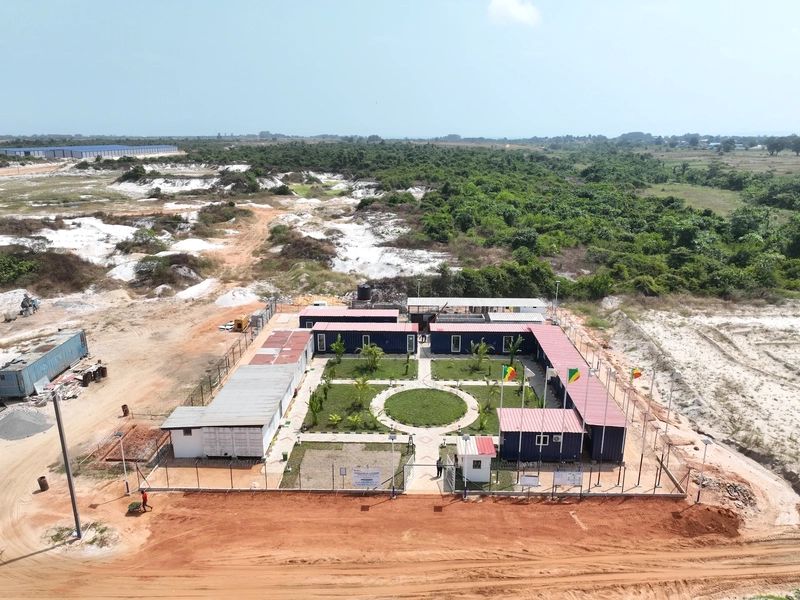
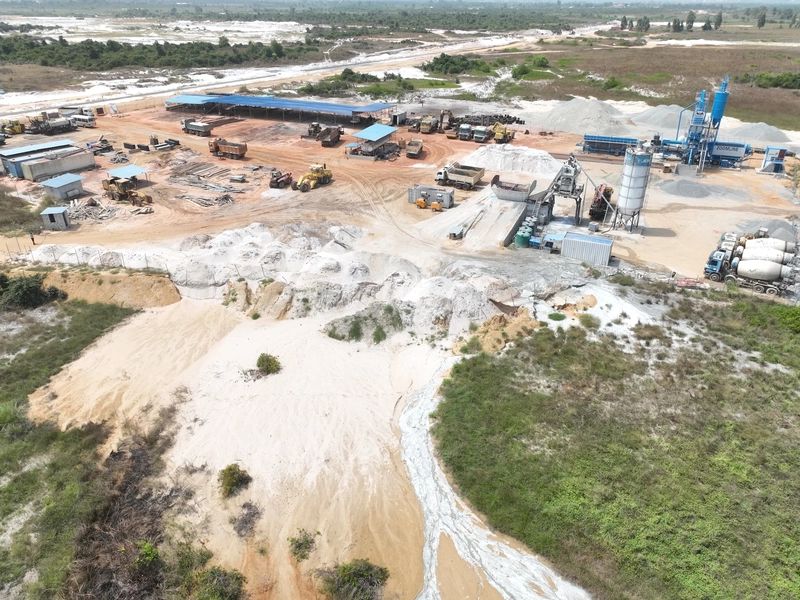
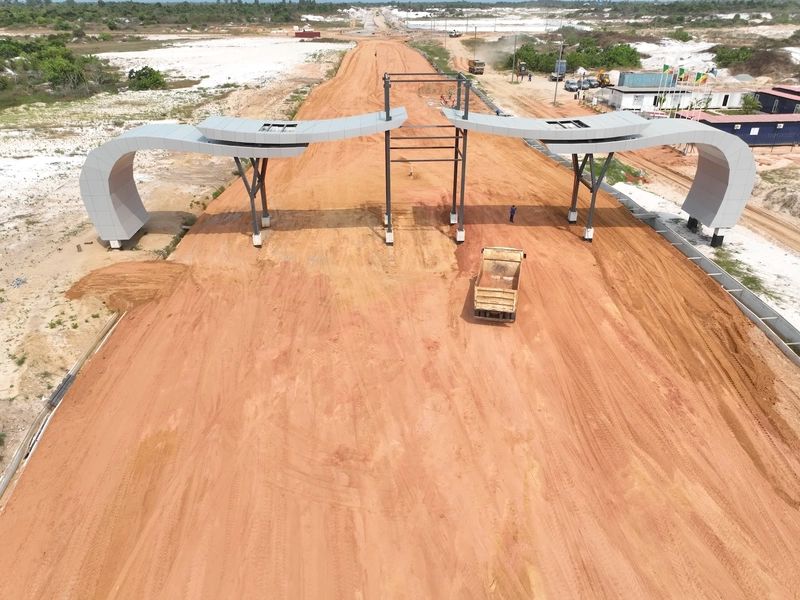
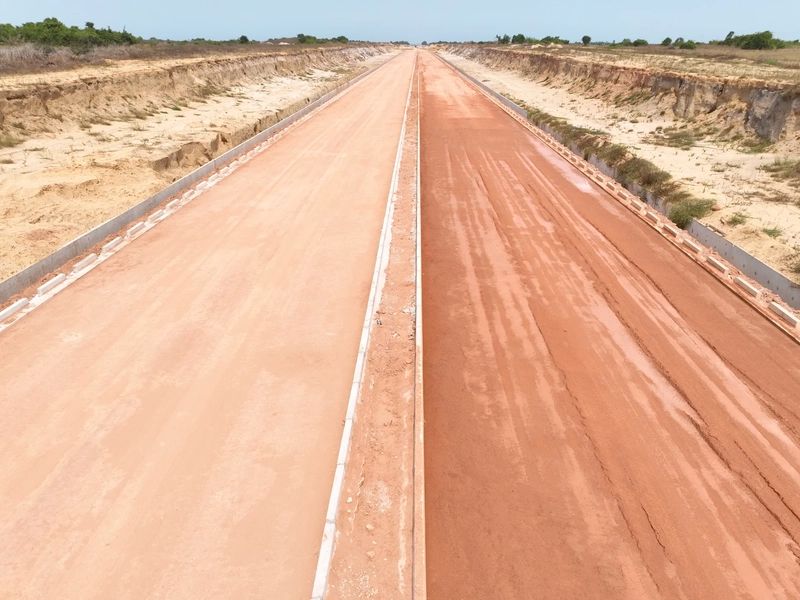
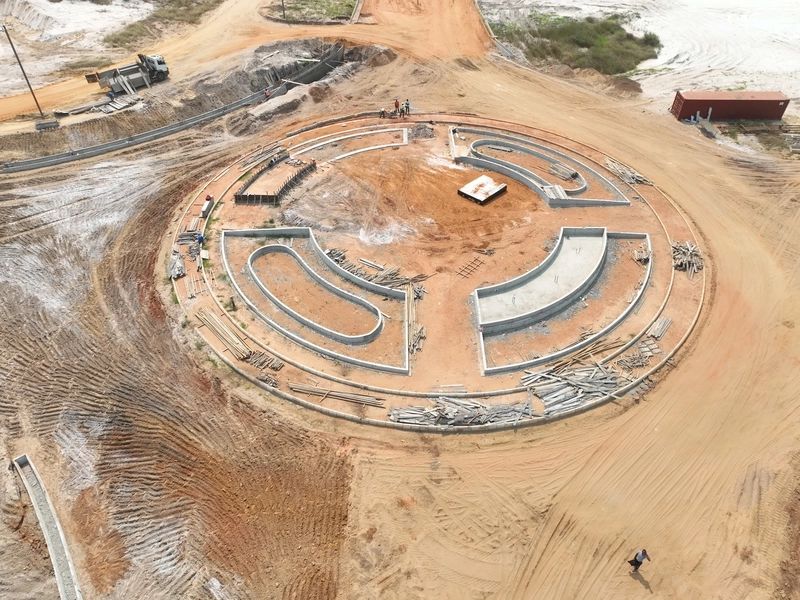
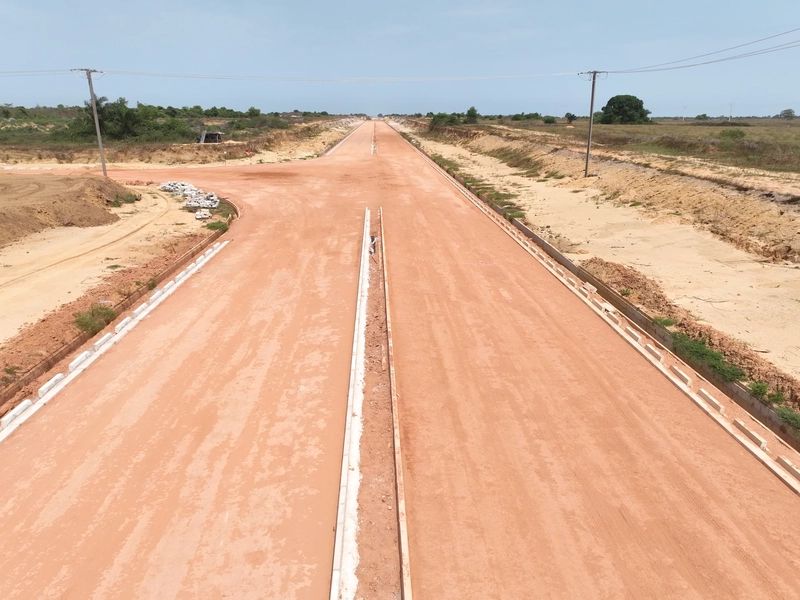
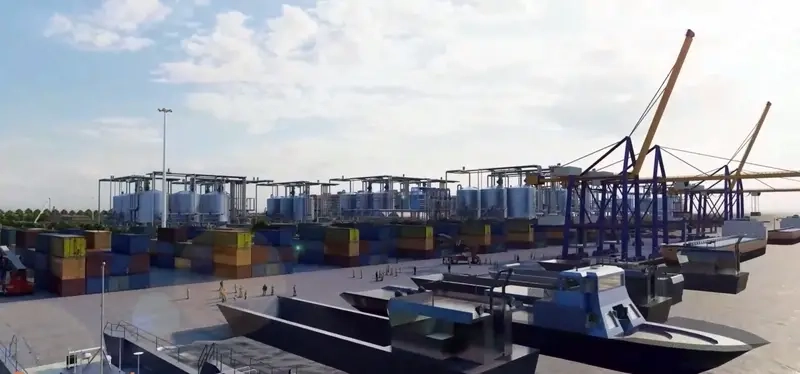
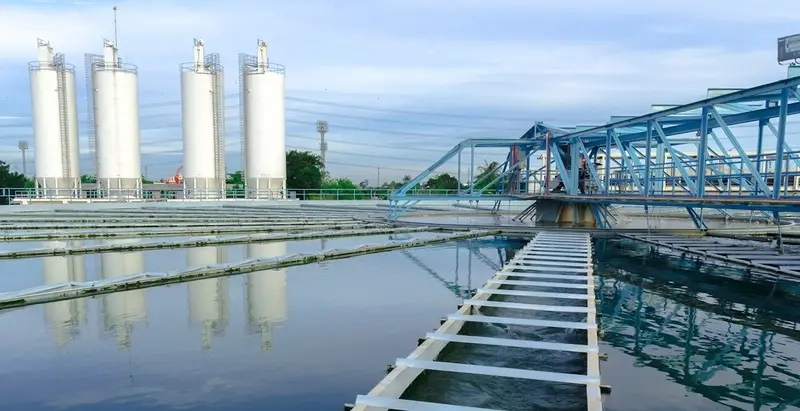
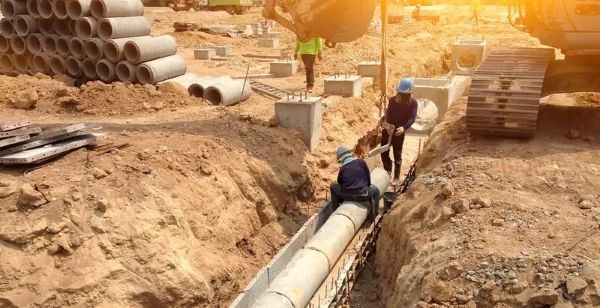
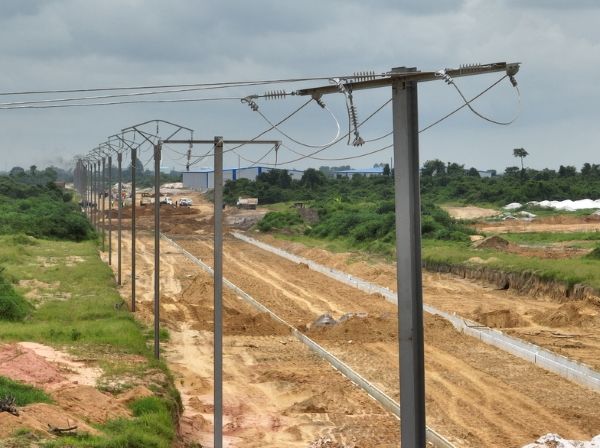
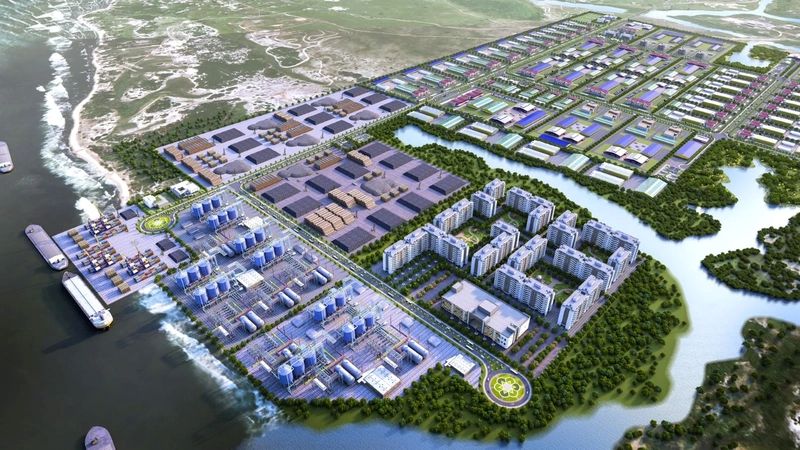
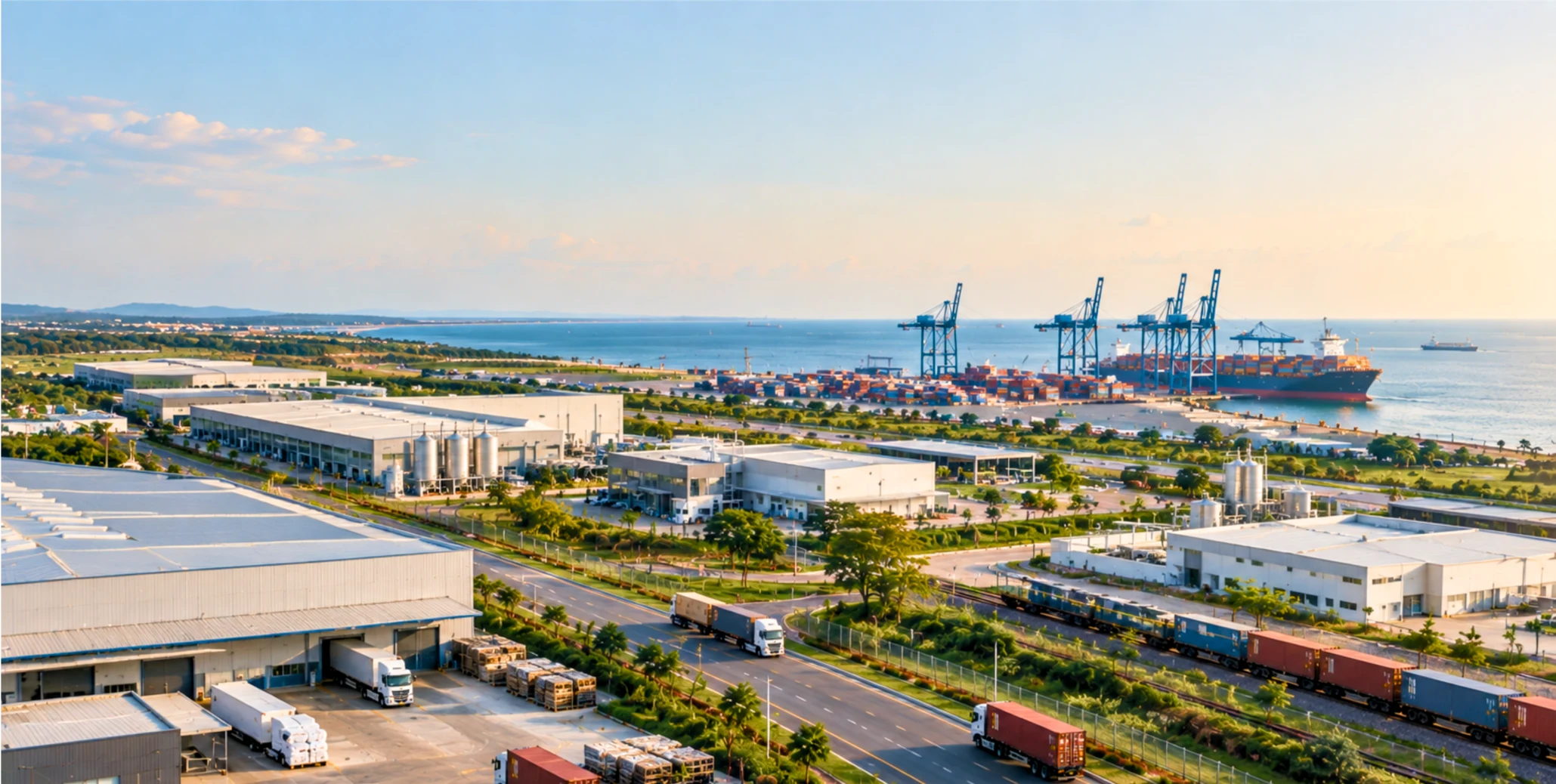
PIC lists facilities including construction-ready land, internal road networks, electricity, water supply, internet, drainage systems, port connectivity, and a jetty inside the special economic zone. Other facilities include a medical centre, training centre, police station, fire station, and single-window services.
→ How can businesses benefit from local raw material processing in PIC?
PIC aims to transform raw materials within the Republic of Congo, helping develop domestic industrial activity and create local employment. Businesses can explore opportunities to process available resources into higher-value products and strengthen local supply chains.
Market Trends & Demand Evolution
→ How does PIC support industrialisation in the Republic of Congo?
PIC supports the country's industrialisation agenda by developing integrated industrial zones that encourage local processing, business expansion, and employment. The development of special economic zones is also identified as a pillar of the Republic of Congo's National Development Plan 2022–2026.
→ How can PIC support export-oriented businesses?
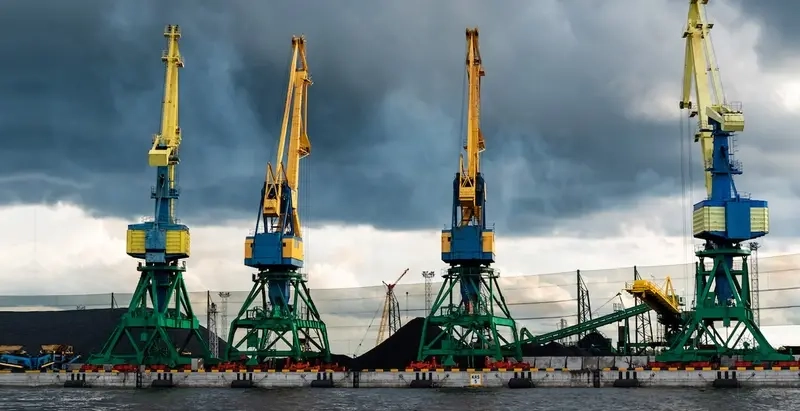
PIC's infrastructure includes port connectivity and a jetty within the special economic zone, alongside internal roads and utility services. These facilities are intended to support industrial operations and the movement of goods, although specific logistics routes and shipping arrangements should be confirmed with PIC.
→ What role does PIC play in creating local employment?
PIC aims to generate employment through industrial development and local resource processing. The official website also highlights training initiatives for young people to develop construction skills and contribute to the development of the Pointe-Noire special economic zone.
Africa Industry Insights
→ What makes the Republic of Congo relevant for industrial investment?
The Republic of Congo has substantial forest resources, an established forest-products sector, and a significant oil industry. PIC aims to build on these resources by encouraging local processing, industrial diversification, and the development of value-added manufacturing activities.
→ What opportunities are available in forest-product manufacturing at PIC?
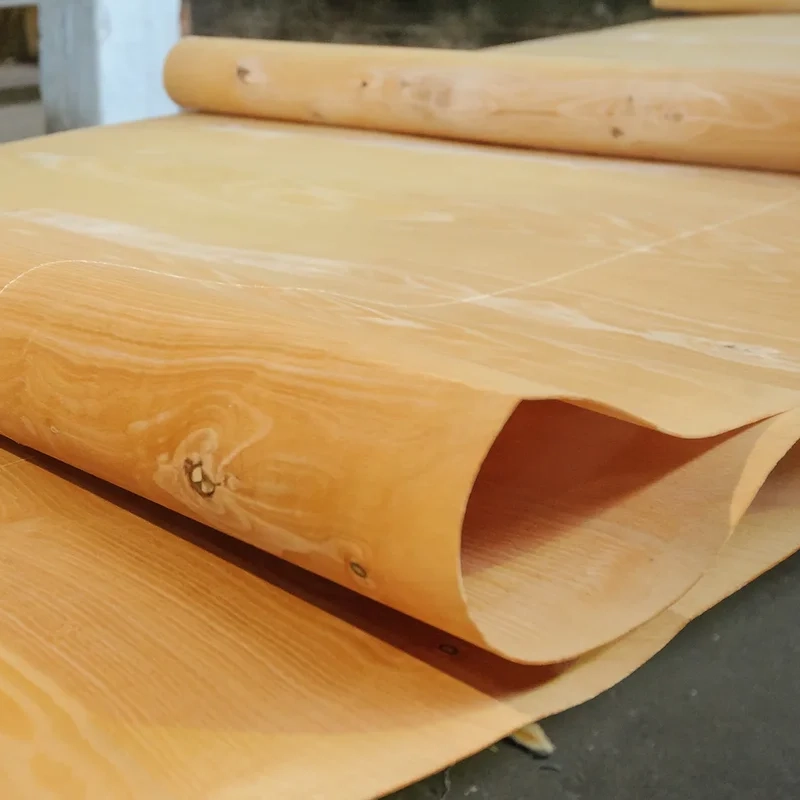
Investors can explore timber and wood processing opportunities, including sawn wood, furniture, MDF, plywood, and veneer, as identified on the Africa for Investors page. Project feasibility will depend on raw material sourcing, production requirements, market demand, and environmental compliance.
→ How does PIC contribute to economic diversification beyond oil?
PIC is intended to help reduce reliance on oil revenues by encouraging investment in other industrial sectors. Its focus on local resource processing and manufacturing can support a broader industrial base and create opportunities across multiple value chains.
Geo Comparision
→ What are the differences between PIC Pointe-Noire and PIC?
PIC Pointe-Noire is described as an integrated industrial zone intended to become a hub for industrialisation and economic activity. PIC Oyo is designed to facilitate economic growth through sustainable and competitive industrial operations. Investors should contact PIC to confirm each zone's available land, infrastructure, and suitability for their proposed activity.
→ How does Pointe-Noire's location support industrial businesses?
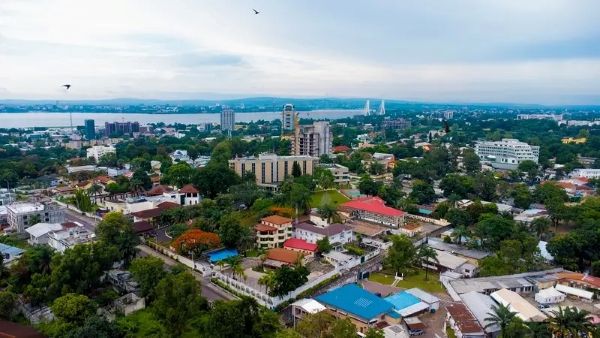
Pointe-Noire is the Republic of Congo's economic capital and is a focus of PIC's industrial development plans. PIC lists port connectivity and a jetty within the zone among its facilities, providing infrastructure relevant to businesses involved in manufacturing and goods movement.
→ Why consider the Republic of Congo for resource-based manufacturing?
The country has significant forest resources and an established oil industry. PIC's focus on local processing creates opportunities for businesses seeking to develop manufacturing activities linked to these resources, while supporting the country's broader industrialisation objectives.
Industrial Zones & Setup Benefits
→ What services are available through PIC's single-window system?
PIC lists a single-window service among its industrial-zone facilities. The Africa for Investors page describes this service as helping investors navigate administrative procedures related to business setup and tax exemptions. Investors should confirm the specific services and procedures currently supported.
→ What tax incentives are available to businesses investing in PIC?
The Africa for Investors page lists customs duty and tax exemptions on imports of machinery, equipment, raw materials, office supplies, and vehicles. It also states a 100% corporate tax exemption for the first 10 years, followed by a nominal 10% rate, and permission to repatriate 100% of capital and profits. Investors should verify current terms, eligibility, and applicable conditions directly with PIC before relying on these benefits.
→ How can investors establish a business in PIC?
Investors can begin by contacting PIC to discuss their proposed business activity, infrastructure requirements, and investment plans. PIC provides a contact channel and a downloads section with resources to help prospective investors understand its industrial zones and requirements.
→ Where can investors find PIC's official reports and investment documents?
The Africa for Investors page lists the PIC brochure, investor terms and conditions, Environment, Health and Safety Code of Conduct, and Pointe-Noire master plan. These resources can help investors assess the zone, understand operational requirements, and evaluate potential projects.