



Africa’s construction manufacturing sector is entering a structurally transformative phase.
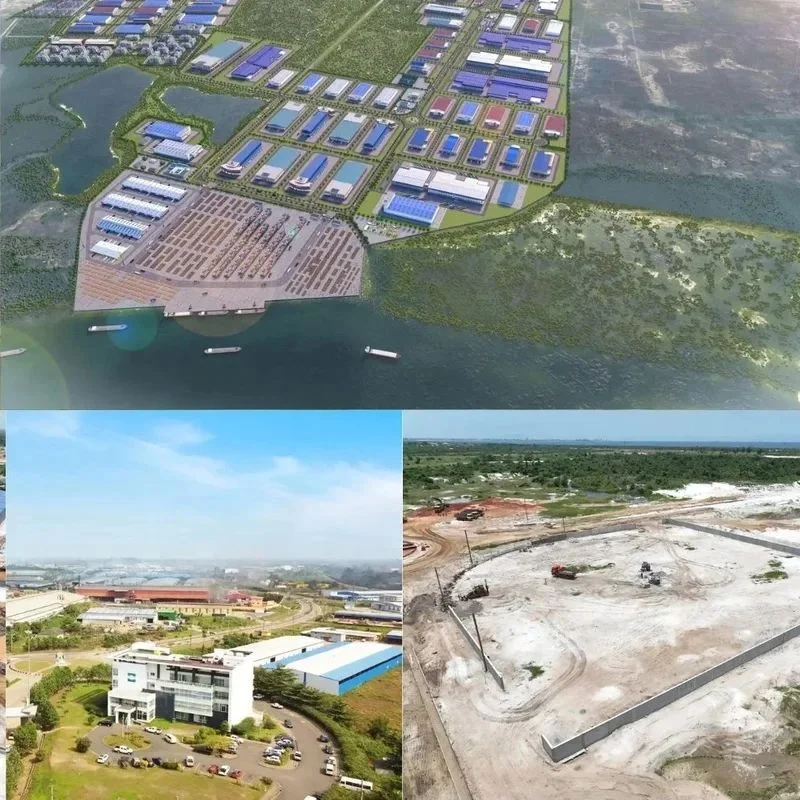
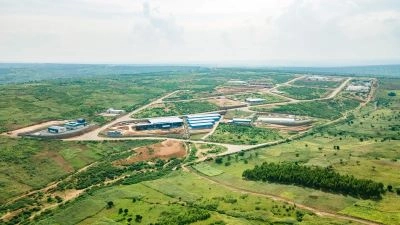
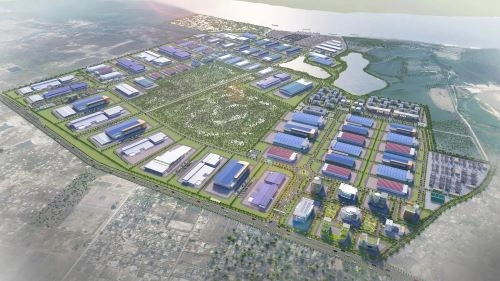
Urban expansion, infrastructure investment and a push for local value creation are converging to create a unique opportunity for manufacturers. Special Economic Zones (SEZs), developed by Arise IIP in collaboration with the government, provide a structured, scalable pathway for global manufacturers to enter and expand in African markets.
Read further to understand how these zones reduce operational risks, enable scalable growth and provide access to regional and export markets.
Table of Contents:
1. Why Construction Manufacturing in Africa Is a Global Opportunity
2. Key Operational Considerations & How SEZs Help
3. SEZs as a Strategic Growth Engine
4. Raw Materials & By‑Product Economics: Unlocking Additional Value
5. Operational Advantages in Industrial Zones
6. Your SEZ Playbook: Practical Steps for Success
8. Ready to Build Your Presence in Africa?
1. How is Africa’s urban growth driving construction material demand?
Africa is not just a consumer of construction manufacturing materials; it is rapidly becoming a manufacturing hub. This demographic shift is a powerful driver of demand for construction manufacturing materials like steel, cement and prefabricated components.
In fact, the African construction market is set to hit USD 240.6 billion in 2025 to USD 345.3 billion by 2030, at a projected CAGR of 7.5% (Source: Mordor Intelligence)
Importantly, the same report shows modern construction methods such as prefabricated, modular, and off‑site building are expanding fast, with these “modern methods” growing at a 10% CAGR.
For investors, this creates a potent opportunity: SEZ‑based manufacturing can supply locally to meet growing urban construction demand, and scale efficiently using modern methods.
Co-locating production in industrial zones offers speed, lower waste, and cost advantages, thereby enabling firms to tap into both regional infrastructure growth and expanding city markets.
2. Leveraging Africa’s Raw Material Supply for Competitive Advantage
Africa’s construction materials sector benefits from abundant raw resources and growing domestic and regional demand, underpinned by rising urbanization and infrastructure development.
South Africa, a major iron ore producer, exported ZAR116 billion (US$6.3 billion) of iron ore in 2024, demonstrating Africa’s role as a reliable source of raw materials for steel and construction manufacturing. Structural steel production across the continent currently totals around 39.5 million tonnes, with an estimated CAGR of 3.1% over the next five years, reflecting rising demand.
Locating manufacturing operations near raw-material hubs reduces supply risk, lowers logistics costs, and improves operational efficiency through proximity to co-located suppliers. For investors, this translates into predictable input availability, competitive production costs, and easier scaling of operations to meet both local and export-driven demand.
3. Prefab Construction Trends and Innovation
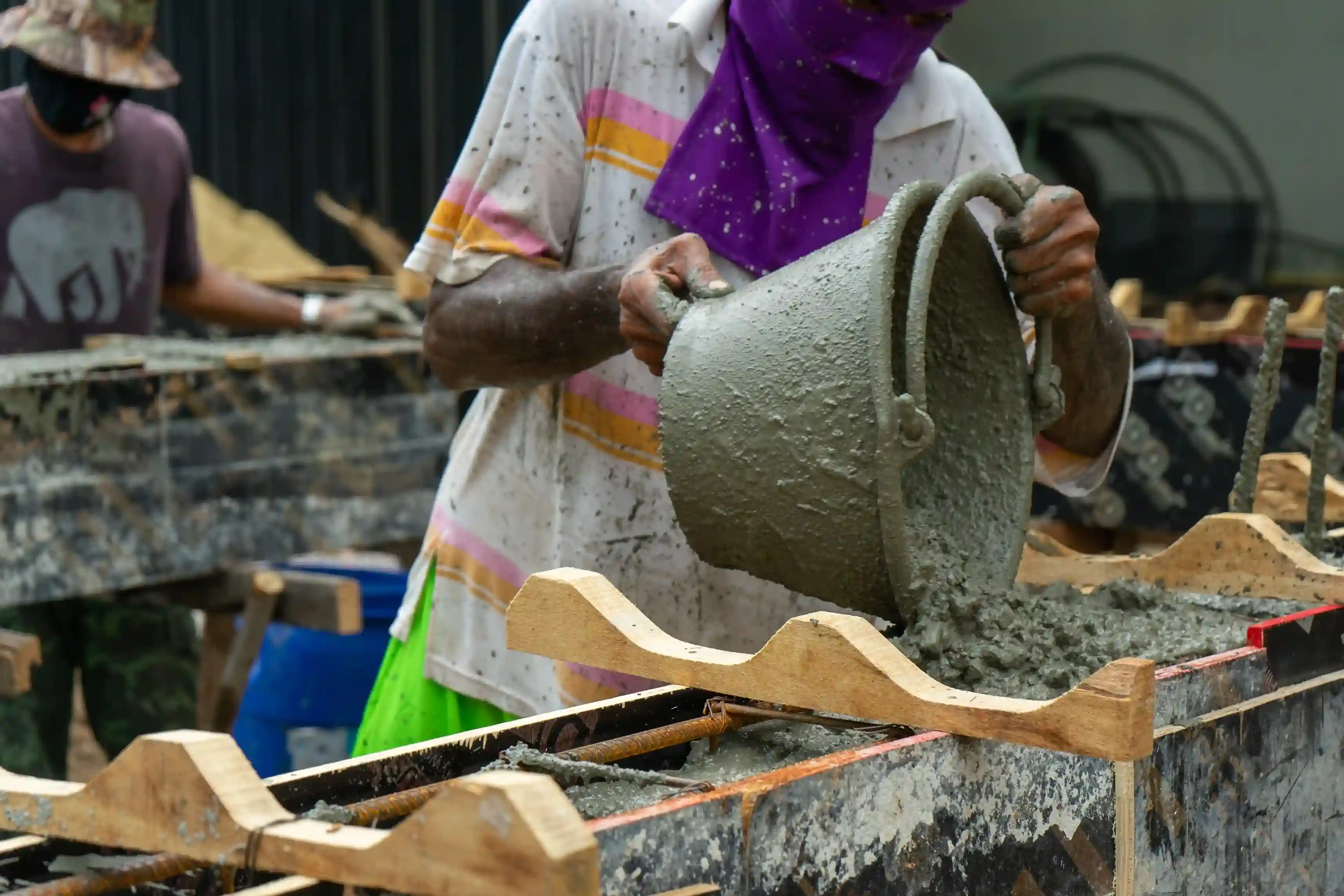
Across African markets, modular, hybrid, and volumetric prefabricated construction systems are gaining attention. These methods can improve construction efficiency by:
In South Africa, the prefabricated construction market is projected to grow at around 6.1% annually through 2029, reflecting rising interest in faster, more standardized building methods. For investors, these trends highlight emerging opportunities for standardized material manufacturing, which could complement conventional construction output in Africa.
4. SEZs as a Gateway: Regional and Global Market Access
Manufacturers within Special Economic Zones can leverage the African Continental Free Trade Area (AfCFTA) to access tariff-free distribution across 55 African markets, creating a continent-wide customer base.
Proximity to major ports such as Lomé, Tema, and Abidjan ensures exports move quickly and cost-effectively, connecting SEZ output to global supply chains. For companies scaling operations, these locations combine operational efficiency with seamless access to both regional and international buyers, allowing African production to compete on speed, reliability, and cost with established manufacturing hubs worldwide.
Scaling manufacturing operations across multiple African markets brings operational complexity. Like in projects at SEZs powered by Arise IIP, single-window approvals reduce timeline risk by a significant 50%.
| Operational Challenge | SEZ Mitigation |
| Regulatory fragmentation | Single-window approvals reduce timeline risk. |
| Utility reliability | Stable access to power, water, and industrial waste systems ensures continuous operations. |
| Material supply variability | Co-located steel, cement, and packaging suppliers stabilize supply chains. |
| Logistics uncertainty | SEZs positioned near trade corridors and ports reduce transport time and cost. |
| Workforce quality | Partnerships with vocational institutes ensure a skilled labor pipeline. |
Combined, these benefits enable faster setup, lower operational risk, and consistent output quality.

Arise IIP SEZs go beyond infrastructure, functioning as fully integrated industrial ecosystems built for efficiency, scale, and predictable growth.
Beyond operational mitigation, SEZs offer:
AFI works alongside investors to navigate these ecosystems, helping evaluate zones, build operational models, and manage regulatory or supply-chain considerations.
Africa’s construction materials market spanning steel, cement, and prefabricated components is projected to grow from USD 240.55 billion in 2025 to USD 345.34 billion by 2030, reflecting rapid urbanization, infrastructure investment, and modernization of construction methods.
Investors operating within industrial zones can leverage this growth by integrating raw material flows with manufacturing processes, capturing both operational efficiencies and margin opportunities.

By-Product Synergies
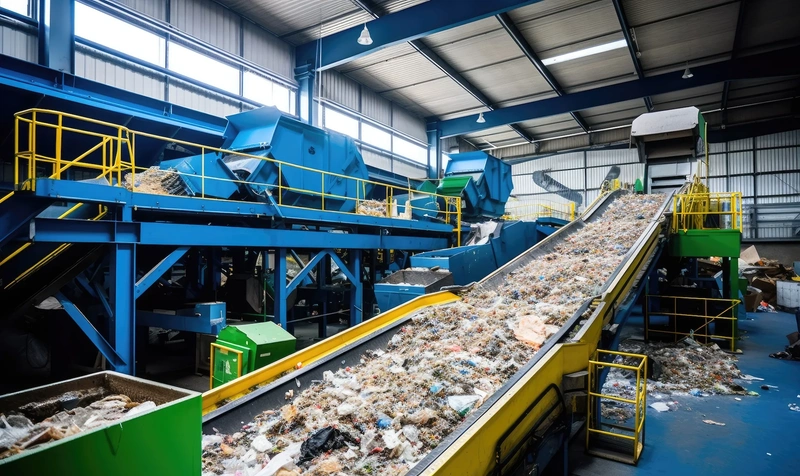
Steel and cement production generate by-products that can be reintegrated to reduce costs:
Zones provide pre-built infrastructure, co-located supplier clusters, and logistics proximity that transform raw-material availability into predictable production. This means:
For investors, aligning plant location with raw-material hubs, supplier clusters, and demand centers maximizes the economic value of Africa’s construction materials ecosystem while maintaining sustainability and cost competitiveness.
Africa’s construction manufacturing sector is underpinned by credible demand, raw-material availability, and supportive industrialization policies. SEZs offer a structured, lower-risk pathway to enter this market, combining speed, scale, and export readiness.
With AFI guiding investors, companies can translate market potential into efficient, scalable operations, establish a competitive edge, and generate value across both regional and global markets.
Establish your construction manufacturing operations in Africa’s investor-ready SEZs to unlock scalable growth, regional reach, and export potential.
Partner with AFI to identify the right zones, navigate regulations, connect with local suppliers, and accelerate market entry with confidence.

1. What is driving the rise in construction manufacturing investment across Africa?
A combination of rapid urban growth, large-scale infrastructure development, and accelerating demand for modern housing is reshaping Africa’s construction landscape. This surge in activity is creating strong, sustained demand for steel, cement, prefabricated components, and related structural materials. With abundant raw resources and growing regional markets, the continent is becoming an increasingly competitive base for construction-material production.
2. Why are Special Economic Zones becoming central to construction-material manufacturing?
Modern SEZs offer ready industrial infrastructure, streamlined regulatory processes, and direct access to logistics corridors, conditions that shorten setup timelines and stabilize operations for capital-intensive industries. For construction manufacturing, where consistent utilities, bulk logistics, and raw-material proximity are essential, SEZ ecosystems provide a more predictable and scalable operating environment than standalone sites.
3. Which regions in Africa are emerging as strong hubs for construction-material production?
Regions with strong mineral bases and port connectivity such as West Africa’s coastal corridor, Southern Africa’s mining belt, and select East African industrial zones, are gaining momentum. These areas combine resource availability with expanding domestic markets and growing export channels, enabling manufacturers to serve both regional construction pipelines and international buyers.
4. What is the long-term outlook for construction manufacturing in Africa?
The sector is positioned for multi-year expansion as urbanization accelerates, infrastructure commitments deepen, and modern construction methods gain adoption. Localized manufacturing is expected to play a larger role in reducing import dependence, improving project timelines, and supporting regional value chains. With SEZs lowering entry barriers and boosting efficiency, construction manufacturing is set to become one of Africa’s more mature and strategically important industrial segments.
Set up your construction materials manufacturing operations in Africa’s world-class Special Economic Zones and secure a leadership position in the continent’s next phase of industrial growth. Connect with our investment specialists to explore integrated construction materials parks and accelerate your manufacturing expansion.
Get in touch with our Africa investment specialists or support team and expand your business in Africa today!
recommended topics
Discover prime locations across Africa for lucrative investment opportunities and strategic growth.
Explore key investment zones in Africa that offer strategic advantages and economic benefits.
Uncover the best investment opportunities in Africa to maximize your business potential.

Identify the most promising sectors in Africa for high returns and sustainable investments.


Africa Business Opportunities: Location-Based 
Africa Business Sectors: Location-Based
Copyright © Arise IIP, 2026