

*Note: Name, Email and Phone Number are mandatory.







Table of Contents:
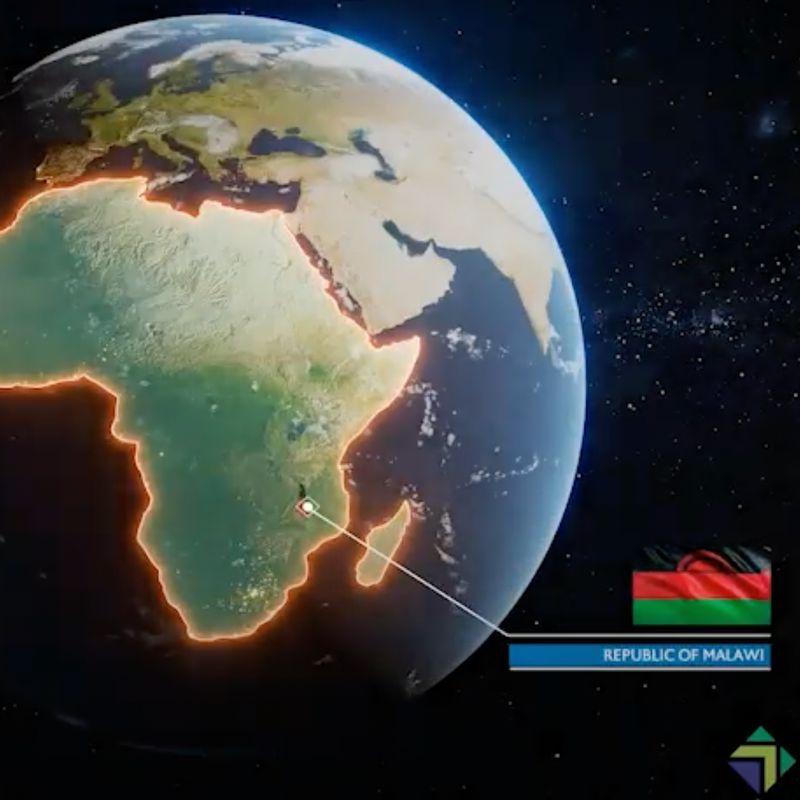
For years, Africa has been viewed through maps and narratives that have often understated the scale and diversity of the continent.
The United Nations General Assembly’s vote to adopt a new world map is challenging one part of that perception, with the new map showing Africa as larger while North America and Europe appear smaller. But there is another perception worth reconsidering: how we view Africa’s manufacturing landscape.
At Africa for Investors, manufacturing in Africa is one area where we see this shift clearly. Across the continent, new manufacturing locations are emerging around infrastructure, resources and high-growth trade corridors. As these locations develop, they are creating new opportunities for businesses to produce, connect to markets and participate in regional value chains.
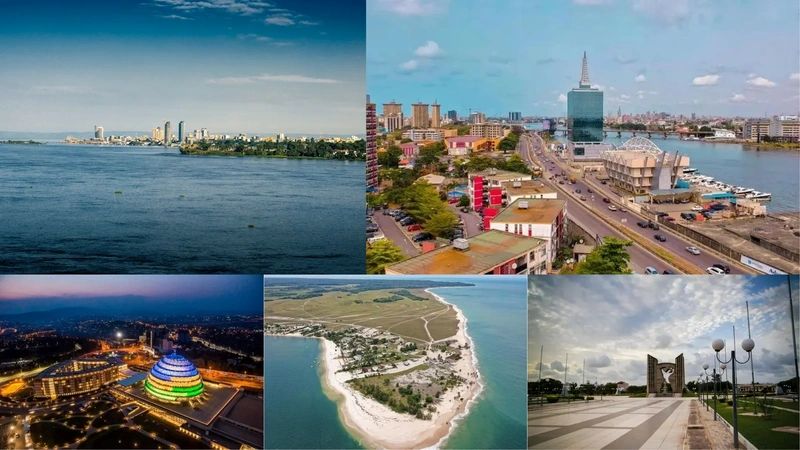
North and Southern Africa account for much of the continent’s existing industrial capacity. But that is only part of the picture. Look across the continent today and manufacturing is beginning to take shape in new places often around the infrastructure, resources and trade routes that can support production and connect it to markets.
The Mombasa corridor in Kenya is one example. Its position as an important gateway to East African markets is helping create opportunities to connect manufacturing with regional trade.
In Ghana, Tema’s proximity to one of West Africa’s major ports is creating another kind of connection, bringing manufacturing closer to logistics and regional markets.
In Nigeria, industrial platforms such as the Industrial Platform Remo Free Zone (IPRFZ) are developing closer to one of Africa’s largest consumer and manufacturing markets.
And in countries including Benin, Togo, Gabon and the Republic of Congo, new industrial locations are emerging around specific value chains, from agro-processing to timber and other resource-linked industries. These developments are taking place in very different markets and at different stages. But together, they point to something bigger: the geography of African manufacturing is becoming more diverse.
The next manufacturing centres may not simply be the places that already have the most factories. They may increasingly be the places where resources, infrastructure, production and market access come together.
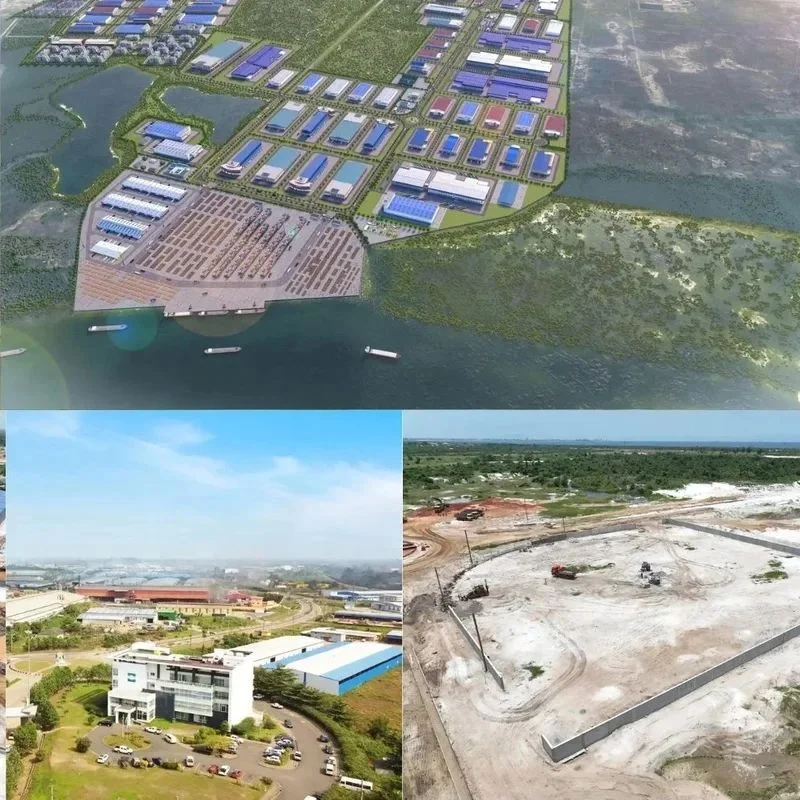
This is an important shift in how manufacturing is being set up. An industrial zone, as we have traditionally known it, is a designated location where businesses can establish operations. An industrial platform aims to go beyond that.
It brings together serviced industrial land, power, utilities, logistics, processing facilities and supporting infrastructure within a coordinated ecosystem. For a manufacturer, that can mean having more of the operating environment in place from the outset, rather than having to build each layer around the factory independently. And that can matter in markets where industrial infrastructure is still developing.
The other part of the equation is what happens when businesses begin operating alongside one another. A textile manufacturer creates demand for packaging, logistics and other suppliers. A food-processing business creates opportunities for cold-chain operators, packaging companies and input suppliers. A large anchor investor can also make it more viable for smaller supporting businesses to establish themselves nearby. The result is that the opportunity does not stop at the factory gates.
As businesses, suppliers and supporting services begin to connect, the industrial location can start to take on a larger role within the value chain.
Africa’s manufacturing opportunity is closely tied to what the continent already has: its natural resources, agricultural output and growing consumer markets.
The opportunity is not simply to manufacture in Africa. It is to capture more value from what Africa already produces.
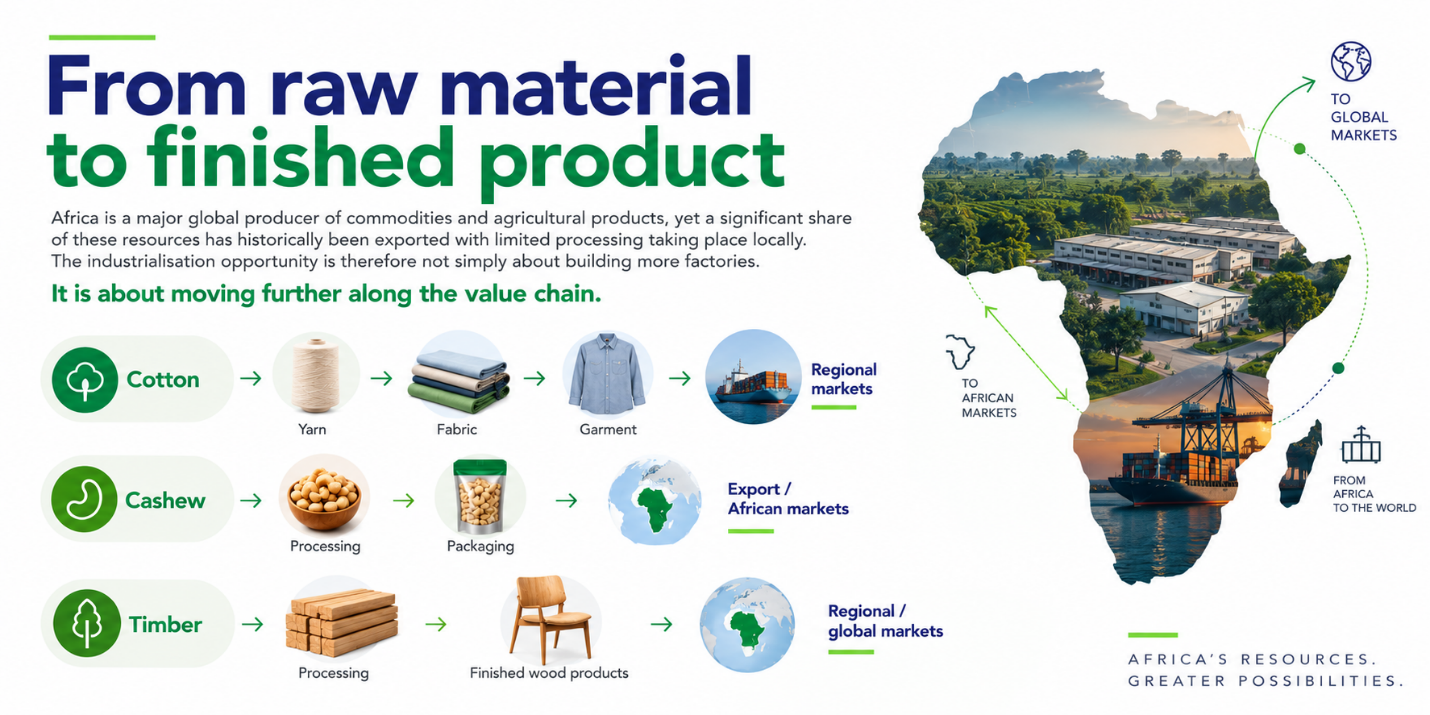
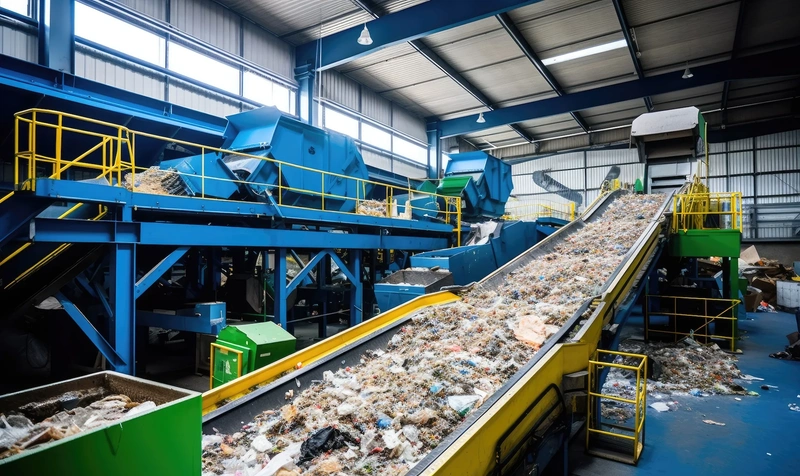
That means looking beyond the export of raw materials and towards what can happen further along the value chain, processing cotton into yarn, fabric and garments; taking cashew from harvest to processing and packaged products; or moving timber beyond raw exports into finished wood products.
The closer production can move to the source of raw materials and the markets that demand the finished product, the more of that value chain can potentially be developed within the region. And that is where the emerging industrial ecosystems we have been discussing become relevant.
By bringing infrastructure, processing capabilities, logistics and supporting businesses closer together, they can create the conditions for more of the value chain to take place in Africa.
Explore Africa for Investor’s industrial ecosystem across 15+ countries in Africa.
The changing manufacturing map creates a broader set of questions for investors.
Where is manufacturing taking shape? What is developing around it? And which locations are positioned to connect production with growing markets?
These questions matter because the next manufacturing opportunity in Africa may not always be found in the places that dominate the map today. The borders remain the same. The economic geography around those borders is changing.
Understanding that change is at the heart of what Africa for Investors does. We look beyond established markets to identify emerging markets, industrial ecosystems and the opportunities developing around them, helping businesses build a clearer picture of where investment opportunities are taking shape. Because understanding Africa’s manufacturing opportunity requires more than looking at a map.
It requires understanding what is changing on the ground. The map is changing. The opportunity is changing with it.
Explore Africa’s emerging markets and industrial opportunities with Africa for Investors.
1. What are the emerging manufacturing hubs in Africa?
Emerging manufacturing hubs are developing across East, West, Central and Southern Africa, often around ports, trade corridors, natural resources, industrial infrastructure and growing consumer markets.
2. Where are the best opportunities for manufacturing investment in Africa?
Manufacturing investment opportunities are emerging in locations that combine access to raw materials, reliable infrastructure, logistics connectivity, skilled labour and regional or international markets.
3. Why are industrial ecosystems important for manufacturing in Africa?
Industrial ecosystems bring together infrastructure, utilities, logistics, processing facilities and supporting businesses, helping manufacturers establish and scale operations more efficiently.
4. Which industries have the most manufacturing potential in Africa?
Key opportunities include agro-processing, textiles and apparel, automotive and spare parts manufacturing, timber processing, construction materials and other resource-linked industries.
5. How can investors identify emerging manufacturing opportunities in Africa?
Investors can assess locations based on infrastructure readiness, access to resources and markets, trade connectivity, industrial ecosystems and the potential to develop local and regional value chains.
recommended topics
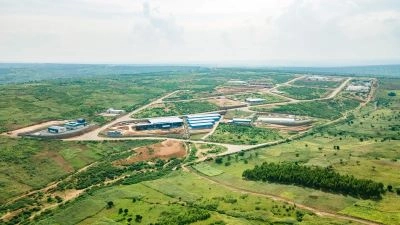
Discover prime locations across Africa for lucrative investment opportunities and strategic growth.
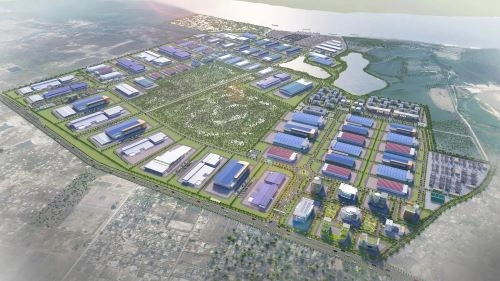
Explore key investment zones in Africa that offer strategic advantages and economic benefits.
Uncover the best investment opportunities in Africa to maximize your business potential.

Identify the most promising sectors in Africa for high returns and sustainable investments.


Africa Business Opportunities: Location-Based
Africa Business Sectors: Location-Based
Copyright © Arise IIP, 2026


Compare
 Remove all
Dear investor, please compare similar category items- either Locations or Opportunities.


*Already subscribed.
*Enter your name/email.

Sign up for exclusive investment alerts.
Already subscribed? Skip
Thank You For Subscribing to
Africa For Investors.

You will be redirected to AFI’s Linkedin Profile in 10 seconds.
Stay On AFI Website