








































































Industry Overview

→ What are the key industries and business opportunities in Tanzania?
Key industries include mining and metals processing, textiles, automotive components, construction materials, chemicals, energy, and agro-processing. Opportunities include steel fabrication, automotive spare parts, textile and garment manufacturing, cashew processing, edible oils, fruit pulps, and electrical equipment.
Africa Industry Insights
→ What are the most promising sectors for investment in Tanzania?
Promising sectors include manufacturing, agro-processing, mining and mineral processing, renewable energy, and infrastructure-related industries. Investors can explore opportunities in steel products, automotive components, textiles, chemicals, agricultural processing, and energy infrastructure based on market demand and project feasibility.
→ What are the opportunities for agro-processing and food manufacturing in Tanzania?
Tanzania's extensive arable land creates opportunities for value-added agricultural production and food manufacturing. Potential investments include cashew processing, edible oils, rice and pulse processing, starch production, sugar refining, fruit pulps, avocado oil, and ethanol production.
Industrial Zones & Setup Benefits
→ What are the benefits of setting up a manufacturing business in Tanzania?
Tanzania offers access to natural resources, a large domestic market, a trainable workforce, and regional trade routes. Businesses can explore manufacturing opportunities across construction materials, textiles, automotive components, chemicals, and agro-processing. Investors should assess applicable regulations, operating costs, infrastructure requirements, and available investment incentives before establishing operations.
→ What investment incentives are available to foreign investors in Tanzania?
Investors should assess the tax and other investment incentives available for their sector, project structure, and investment location. Eligibility and conditions may vary, so businesses should confirm current requirements with the relevant Tanzanian investment authorities before making investment decisions.
Geo Comparision
→ How does Tanzania's strategic location benefit businesses expanding into East and Central Africa?
Tanzania provides access to regional markets through its Indian Ocean coastline, major ports such as Dar es Salaam and Tanga, and transport links including the Central Corridor, TAZARA Railway, and Standard Gauge Railway (SGR). Its connections to neighbouring and landlocked countries make it a potential base for businesses serving markets across East and Central Africa.
→ How do Tanzania's ports and transport infrastructure support manufacturing and exports?
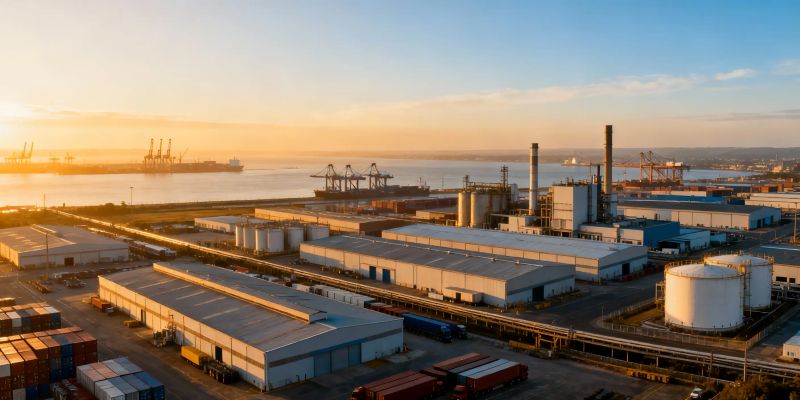
Tanzania's ports, road network, international airports, and rail corridors support the movement of raw materials, finished products, and imported machinery. Dar es Salaam and Tanga ports provide maritime connectivity, while regional transport corridors help businesses move goods to inland markets. These connections are particularly relevant to manufacturers and exporters assessing supply-chain efficiency.
Profitability & Value Chain Opportunities
→ What are the most promising manufacturing opportunities in Tanzania?
Manufacturing opportunities include steel sheets and fabrication, aluminium products, glass bottles, copper wire, transformers, electrical equipment, textiles, garments, automotive spare parts, tyres, lubricants, detergents, and construction materials. Investors can also explore mineral processing and value-added agricultural products to serve domestic demand and regional markets. Commercial viability will depend on input costs, market demand, infrastructure, and regulatory requirements.
→ What opportunities exist in Tanzania's mining and mineral-processing sector?
Tanzania's mineral resources include gold, diamonds, graphite, coal, and rare earths, with potential opportunities in nickel and lithium. Investors can assess opportunities in mineral extraction, beneficiation, refining, and downstream manufacturing, subject to resource availability, licensing requirements, environmental regulations, and project feasibility.
Market Trends & Demand Evolution
→ What factors are driving demand for manufacturing and industrial investment in Tanzania?
Population growth, urbanisation, infrastructure development, and demand for industrial and consumer goods are creating opportunities across multiple sectors. Tanzania's imports of machinery, transport equipment, electrical products, petroleum products, and pharmaceuticals also point to areas where investors can assess local manufacturing and import-substitution opportunities.