$6,342.5 Mn
Market Size
4.7%
CAGR
$8,733 Mn
Forecast

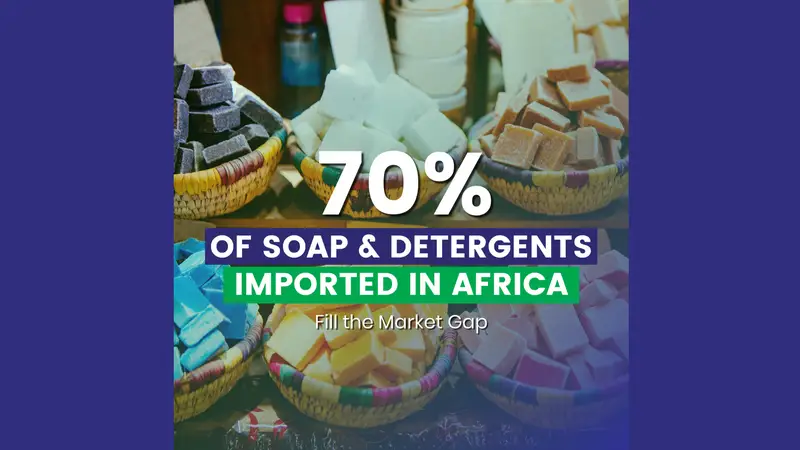
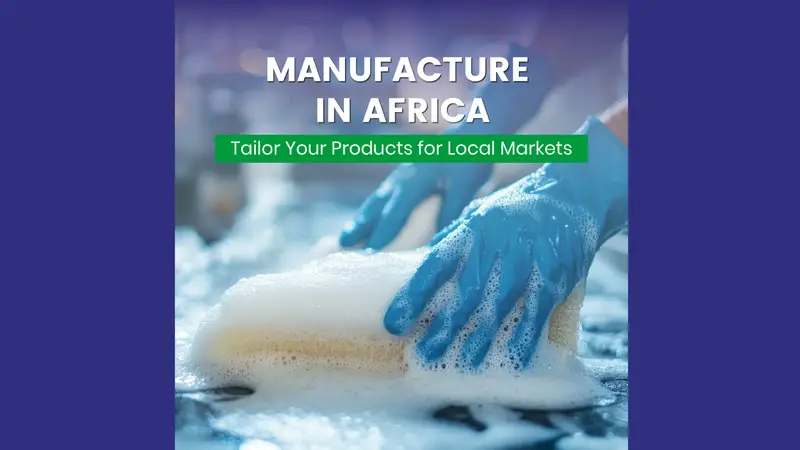
Did you know 70% of soap and detergents in Africa are imported despite the availability of raw material? With low-priced logistics, and duty-free Pan-African trade access, this is your chance to transform imports into local manufacturing leadership.
Did you know 70% of soap and detergents in Africa are imported despite the availability of raw material? With low-priced logistics, and duty-free Pan-African trade access, this is your chance to transform imports into local manufacturing leadership.
$6,342.5 Mn
Market Size
4.7%
CAGR
$8,733 Mn
Forecast

Soaps (Luxury, Herbal, Laundry, Dish)
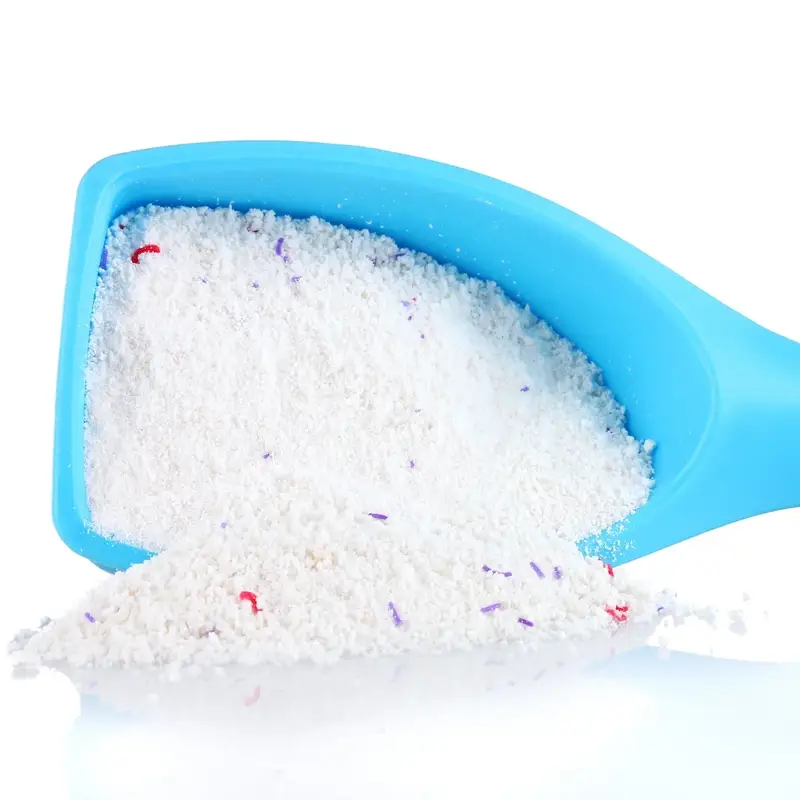
Detergent Powder
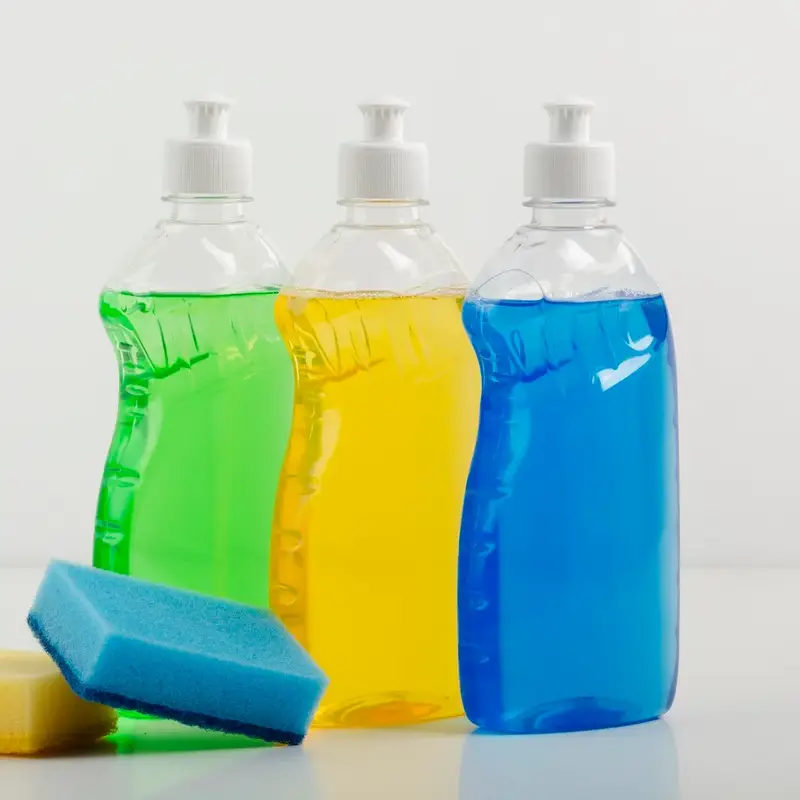
Detergent Liquid
Infra
Facilities, Utilities & Ready-Built Warehousing
40%
Lower Operational Costs*
Duty-Free
Pan-African Trade Access



















 View all media
Why is there such a large demand-supply gap in Africa's soap and detergent market?

The demand for personal hygiene and household cleaning products in Africa has surged due to urbanization, rising incomes, and growing health awareness. However, domestic manufacturing has lagged behind due to past infrastructure limitations and fragmented supply chains — leading to a dependency on imports. Now, with the rise of industrial parks, policy reforms, and better logistics, the region is ready for local production at scale, offering high-margin entry for investors.
What raw materials are available locally for soap and detergent production?
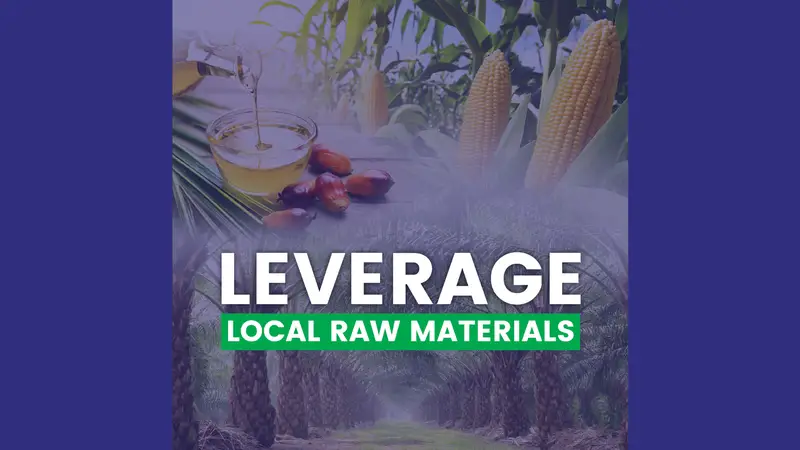
Africa offers abundant access to key raw materials such as palm oil (West & Central Africa), coconut oil (East Africa), soda ash (Kenya and Botswana), and caustic soda — which form the core base for both soap and detergent production. This local sourcing advantage drastically reduces import dependency and ensures price stability for manufacturers.
Which African countries are best for setting up soap and detergent manufacturing units?
Top markets for soaps & detergent business in Africa include:
How does ARISE IIP support soap and detergent manufacturers?
This significantly reduces setup time, lowers costs, and allows you to start production within months.
What kind of trade and distribution advantages will I have after setup?
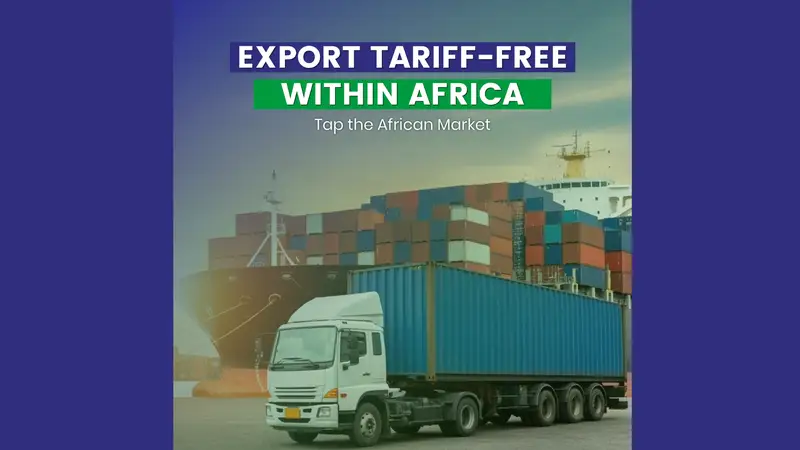
Thanks to the African Continental Free Trade Area (AfCFTA), you can manufacture in one country and sell across 54 markets duty-free, removing the traditional barriers of tariffs, cross-border taxes, and logistical constraints. Additionally, Africa’s rapidly growing e-commerce and retail distribution networks — including supermarkets, wholesalers, and neighborhood stores — provide high-volume sales channels. Combined with low competition and strong consumer demand, the distribution upside is massive.
How does Africa compare to other top manufacturing hubs like India, China, or Southeast Asia for soap and detergent production?
Africa offers a strategic blend of cost advantage, raw material access, and untapped market demand that global hubs like India, China, and Southeast Asia are starting to outgrow.
In summary, Africa is emerging not just as a low-cost manufacturing alternative, but as a growth destination with both production and consumption advantages—something other mature markets can’t match right now.


Africa Business Opportunities: Location-Based 
Africa Business Sectors: Location-Based
Copyright © Arise IIP, 2026