

*Note: Name, Email and Phone Number are mandatory.







Table of Contents:
Kenya’s pharmaceutical manufacturing sector is entering a period of significant development. With the government prioritising local production, strengthening the regulatory environment and seeking to build greater resilience across health-product supply chains, Kenya is positioning itself to strengthen its pharmaceutical manufacturing base. The newly launched Kenya Health Products and Technologies Local Manufacturing Strategy 2026-2030 reflects this direction, with a focus on expanding local production, strengthening manufacturing capabilities and supporting access to regional markets.
Kenya already has an established pharmaceutical manufacturing base, serving both domestic and regional markets. At the same time, the country imports a significant share of its pharmaceutical products, creating room for further local production and capacity.
For manufacturers, the opportunity is clear, but identifying it is only the starting point. The viability of a project will also depend on what is being produced, who the target market is, where the facility is located, how quickly the required infrastructure can be brought online, and how the wider operating environment supports long-term growth.

Before selecting a manufacturing location, investors need to define what they intend to produce and where those products will be sold.
Oral solids, liquids, sterile products and temperature-sensitive medicines can have different production processes, quality requirements, infrastructure needs and capital requirements. The target market matters too. Products intended for public procurement, private distributors or regional export markets can involve different commercial and regulatory considerations.
This makes the initial product portfolio, expected volumes and target markets important inputs when assessing a potential manufacturing location.
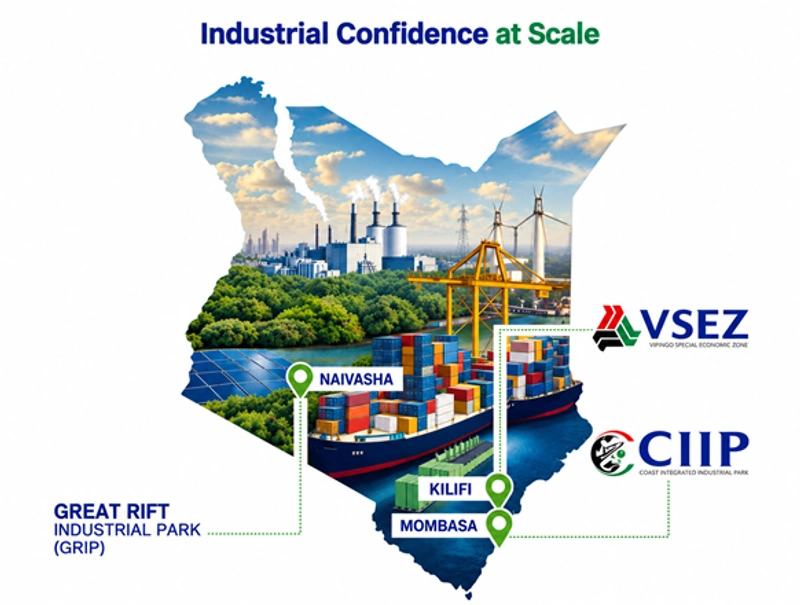
When assessing a location for a pharmaceutical facility, it is important to look beyond the availability of land and consider how well the surrounding industrial environment can support the operations.
Pharmaceutical manufacturers need an industrial ecosystem that can support the requirements of production while also allowing room for future expansion. Access to established industrial infrastructure can therefore be an important consideration when comparing locations.
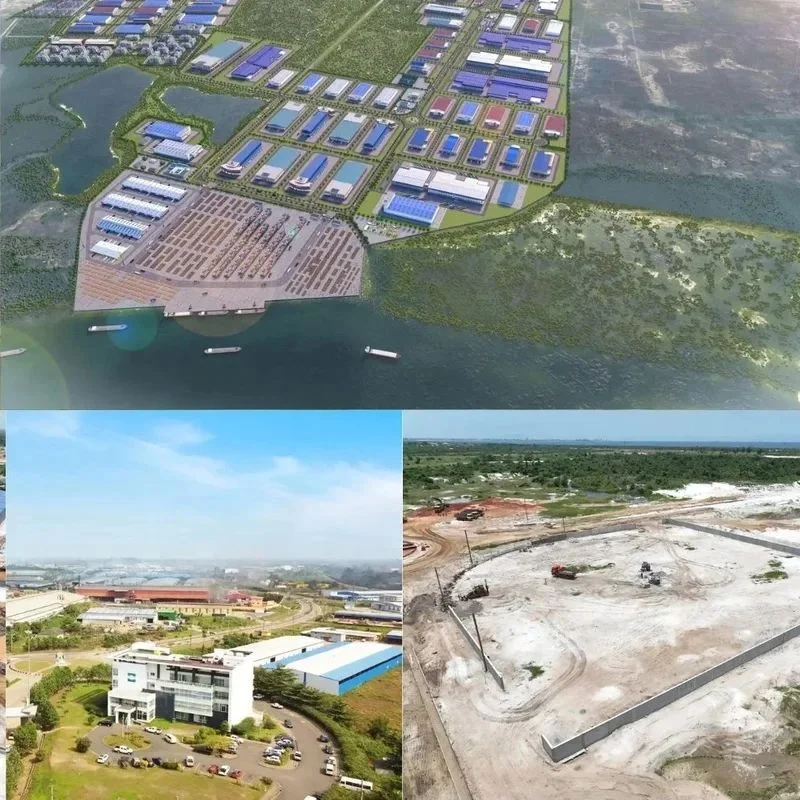
For investors considering Kenya, ARISE IIP Kenya brings together specialised industrial ecosystems designed around different manufacturing, logistics and operating requirements. Its platform includes Great Rift Industrial Park (GRIP), Vipingo Special Economic Zone (VSEZ) and Coast Integrated Industrial Park (CIIP).
For health and life sciences, these ecosystems serve different roles:
The right fit will depend on the requirements of the operation, including its production profile, supply chain and plans for expansion.
It is also important to establish what infrastructure is available at the time of investment, what is planned for a later phase, and which specialised systems will need to be developed within the facility itself. Power capacity, water and wastewater requirements, storage and cold-chain needs should all be assessed against the proposed operation.
For pharmaceutical manufacturing, the ability to bring in inputs and move finished products to market is part of the manufacturing equation. A strategically located base therefore needs strong connectivity across road, rail, air and maritime routes.
Within the ARISE IIP Kenya platform, connectivity varies across the different environments.
VSEZ benefits its coastal position and access to regional trade routes, while CIIP is designed around port-adjacent trade flows, throughput and import-export activity.
For pharmaceutical manufacturers, this is particularly relevant where operations depend on imported active pharmaceutical ingredients, excipients, packaging materials, machinery or other inputs. Finished products also need to move efficiently to distributors and markets.
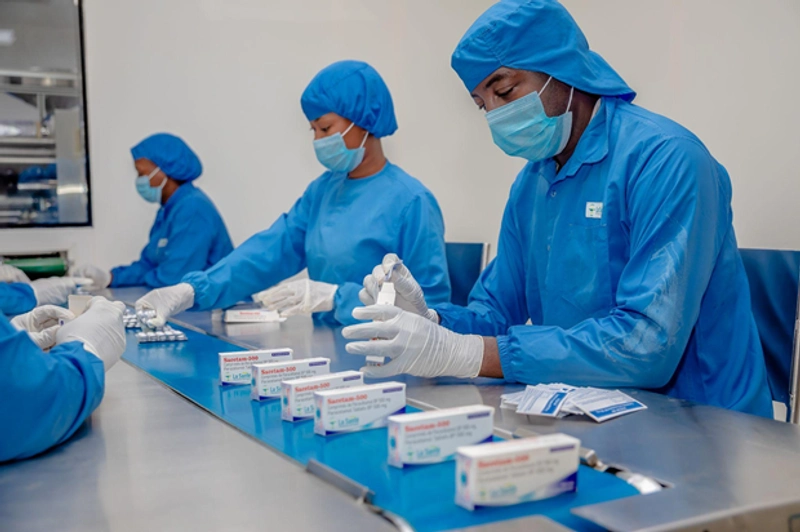
But connectivity is only useful when the infrastructure supporting it can meet the demands of pharmaceutical production. Reliable power, water availability and quality, wastewater management, warehousing and storage are all important to ongoing operations.
ARISE IIP Kenya’s health and life sciences proposition includes ready industrial land, utilities and shared services, alongside coordinated establishment support. The platform also identifies shared capabilities such as renewable power, water, waste systems, controlled environments and GDP-grade cold-chain infrastructure.
For pharmaceutical investors, these capabilities can reduce the need to develop every supporting function independently. With location, connectivity and infrastructure assessed together, the next consideration is navigating the regulatory and administrative process.
Regulatory compliance is a fundamental part of pharmaceutical manufacturing, covering areas such as manufacturing licences, facility approvals, product registration and ongoing quality requirements.
In Kenya, the Pharmacy and Poisons Board (PPB) oversees manufacturing licensing, Good Manufacturing Practice (GMP) compliance and product authorisation. These requirements can influence not only the approval process, but also facility design, utilities, quality-control systems and the sequence spanning facility establishment to production.
The complexity is not limited to pharmaceutical regulation. Establishing a manufacturing operation can also involve permits and administrative processes related to land, utilities, construction, environmental requirements, customs and operations.
ARISE IIP Kenya incorporates a Single Window approach to establishment, including permitting, site onboarding, utilities coordination and administrative clearances. Its health and life sciences proposition also includes regulatory support around GMP readiness, registration sequencing and compliance coordination.
For pharmaceutical manufacturers, this can provide an additional layer of support as operations move through project planning towards establishment and production.
Before committing to a site, investors should also have a clear view of the approvals required, the expected utility requirements and which elements of the facility will need to be developed and qualified by the manufacturer.
These requirements can affect not only project timelines, but also the overall cost of establishing and operating a facility.
The cost of establishing a pharmaceutical facility extends well beyond the price of land.
When building the investment case, capital expenditure, infrastructure requirements, imported machinery and raw materials, utilities, logistics, taxation and the cost of establishing supporting facilities all need to be factored in.
This is one area where a Special Economic Zone can provide structural advantages.
Kenya’s SEZ framework provides a range of fiscal incentives for qualifying SEZ enterprises, including preferential corporate tax treatment and investment deductions. The corporate tax rate is 10% for the first 10 years and 15% for the following 10 years, while a 100% investment deduction applies to qualifying buildings and machinery, alongside other applicable customs, VAT and withholding-tax benefits.
For health and life sciences investors, SEZ status can support the economics of import-heavy operations, including equipment, APIs, reagents, packaging and cold-chain systems.
These incentives can be particularly relevant for pharmaceutical projects, where initial capital requirements can be substantial. At the same time, the wider investment case needs to account for production volumes, utility costs, logistics, staffing, regulatory approvals and working capital.
A pharmaceutical manufacturing operation does not exist in isolation.
Long-term growth also depends on access to skilled people, suppliers, logistics services, supporting infrastructure and wider industrial capabilities. As manufacturing expands, the ability to connect into these broader systems can become increasingly important.
ARISE IIP Kenya’s platform brings together opportunities across pharmaceutical manufacturing, medical devices and diagnostics, nutraceuticals and health-adjacent products, and healthcare infrastructure. Shared industrial and logistics systems, quality and compliance capabilities and supporting services can help strengthen these connections as the ecosystem develops.
For pharmaceutical manufacturers, this creates scope to build production capacity while remaining connected to a broader health and industrial ecosystem.
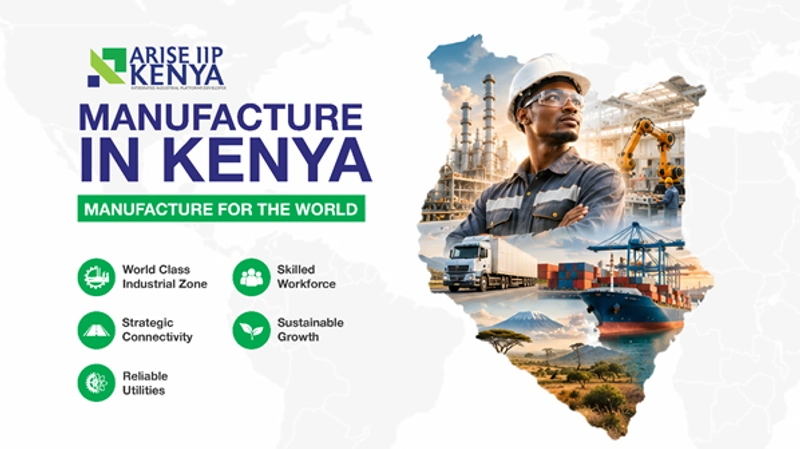
As Kenya moves to strengthen local pharmaceutical production, the opportunity is not simply about adding manufacturing capacity. For investors, it is about bringing the right combination of product-market fit, location, infrastructure, connectivity, regulatory support and investment economics together in one viable operating environment.
ARISE IIP Kenya brings these considerations together through its specialised industrial environments across GRIP, VSEZ and CIIP. The platform gives investors the flexibility to consider different operating requirements, while providing infrastructure and coordinated support spanning establishment through future expansion.
Connect with our team at Africa for Investors to explore investment opportunities and identify the industrial environment that best fits your business.
For more information, contact Arise IIP Kenya Ltd at [email protected].
1. What is the current state of pharmaceutical manufacturing in Kenya?
Kenya has an established pharmaceutical manufacturing base, with more than 37 licensed manufacturers producing around 694 medicine formulations. However, the country still imports an estimated 70–80% of the pharmaceuticals it consumes, creating significant potential for further local pharmaceutical manufacturing.
2. Why is pharmaceutical manufacturing in Kenya an attractive investment opportunity?
Pharmaceutical manufacturing in Kenya offers access to an established domestic market, regional African markets and a growing policy focus on local production. Kenya’s Health Products and Technologies Local Manufacturing Strategy 2026–2030 aims to expand local manufacturing capacity and strengthen the country’s health-product supply chain.
3. How much of Kenya’s pharmaceutical demand is met by local manufacturers?
Local manufacturers currently produce around 20% of the medicines included on Kenya’s Essential Medicines List, while approximately 70–80% of the pharmaceuticals consumed in Kenya are imported. This gap highlights opportunities to expand domestic pharmaceutical production.
4. What is the size of Kenya’s pharmaceutical market?
Kenya’s health products market is estimated at approximately US$1.2 billion annually, with more than US$760 million spent on imports. This import dependency creates an opportunity for investors looking to establish or expand pharmaceutical manufacturing capacity in Kenya.
5. What is Kenya’s Health Products and Technologies Local Manufacturing Strategy 2026-2030?
The Kenya Health Products and Technologies Local Manufacturing Strategy 2026–2030 is a five-year roadmap focused on expanding local production of medicines, vaccines, diagnostics and medical devices. It also aims to strengthen manufacturing capabilities, improve regulatory systems and increase the use of existing production capacity.
6. Can pharmaceutical manufacturers in Kenya access regional African markets?
Yes. Kenya is already a significant pharmaceutical exporter in Africa and the largest pharmaceutical supplier within COMESA. Kenyan pharmaceutical manufacturers serve markets including Tanzania, Uganda, Rwanda and Somalia, while access to the EAC, COMESA and AfCFTA can support wider regional market opportunities.
7. What infrastructure is required for pharmaceutical manufacturing in Kenya?
Pharmaceutical manufacturing requires reliable power and water, wastewater management, warehousing, logistics infrastructure and facilities that can support stringent quality and regulatory requirements. A location with established industrial infrastructure can help manufacturers reduce the time and investment required to develop these supporting facilities.
8. What are the benefits of operating a pharmaceutical manufacturing facility in a Kenyan SEZ?
Kenya’s Special Economic Zones (SEZs) can offer manufacturers access to industrial infrastructure, streamlined administrative support and fiscal incentives. These include preferential corporate tax rates, exemptions on qualifying imported goods and a 100% investment deduction allowance on qualifying buildings and machinery.
9. What makes VSEZ suitable for pharmaceutical manufacturing in Kenya?
Vipingo Special Economic Zone (VSEZ) is a 2,000-acre plug-and-play industrial park in Kenya’s coastal region, developed by ARISE IIP and Centum Investment Company. Pharmaceuticals are one of its targeted sectors, with the zone designed to provide industrial infrastructure, utilities, logistics and connectivity for businesses targeting growth in East Africa.
Sources: Ministry of Health, Kenya; World Health Organization; ARISE IIP Kenya; Vipingo Development; Special Economic Zones Authority Kenya.
recommended topics
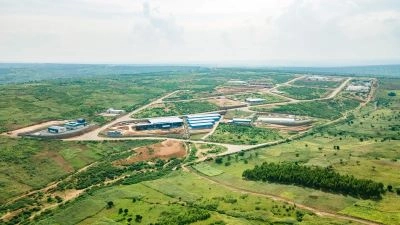
Discover prime locations across Africa for lucrative investment opportunities and strategic growth.
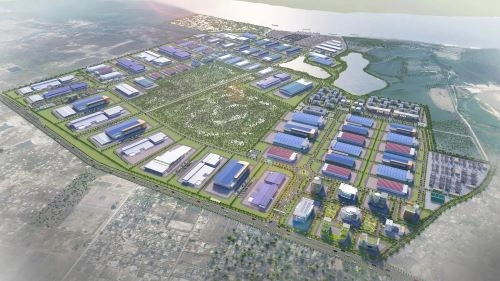
Explore key investment zones in Africa that offer strategic advantages and economic benefits.
Uncover the best investment opportunities in Africa to maximize your business potential.

Identify the most promising sectors in Africa for high returns and sustainable investments.


Africa Business Opportunities: Location-Based
Africa Business Sectors: Location-Based
Copyright © Arise IIP, 2026